

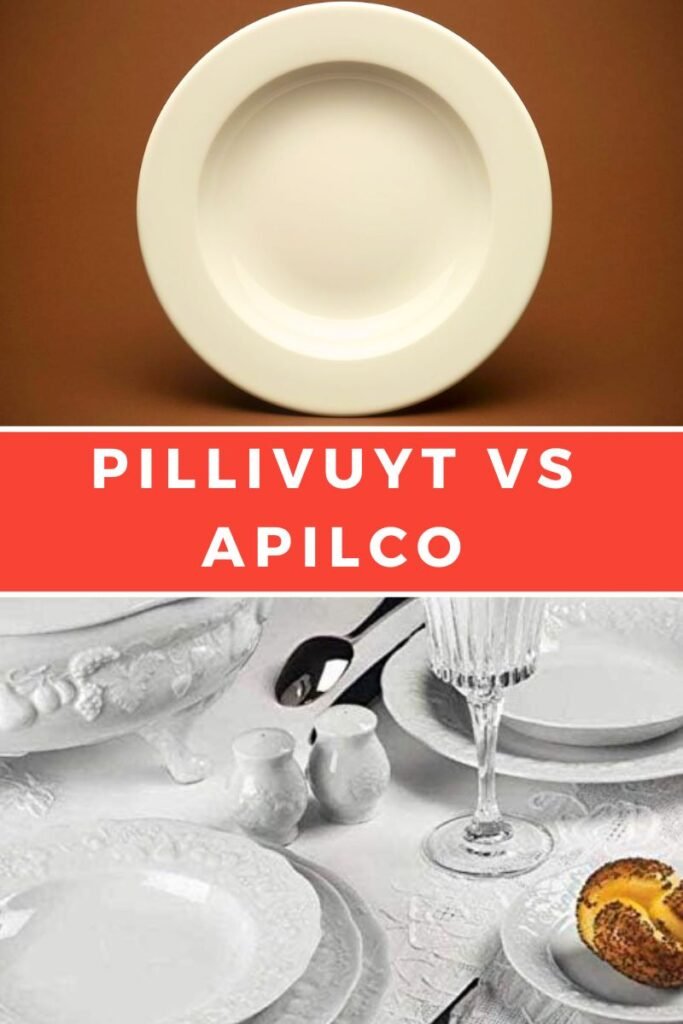
If you’ve been shopping for French porcelain dinnerware and found yourself going back and forth between two names, you’re not alone.
The comparison between Pillivuyt versus Apilco comes up regularly among home cooks, professional chefs, and tableware enthusiasts who want something that genuinely lasts.
Both are French ceramics with serious credentials, long manufacturing histories, oven-to-table functionality, and the kind of clean white aesthetic that works in virtually any kitchen.
But they’re not the same product. They differ in who they’re designed for, how they’re built, and what they prioritise. This article breaks down the real differences so you can make the right call for your table.
Written by Sarah Emirone | Reviewed by James Daniels, B.Sc, Inorganic Chemist & Materials Researcher | Updated September 2026 | See How We Test | Filed under: Brand & Product Comparisons
Quick Comparison: Pillivuyt vs Apilco
| Feature | Pillivuyt | Apilco |
|---|---|---|
| Origin | France (since 1818) | France (since 1932) |
| Primary Market | Home kitchens & fine dining | Restaurants & hospitality |
| Design Style | Traditional French elegance | Minimalist, professional |
| Porcelain Type | High-fired fine porcelain | Heavy-duty restaurant porcelain |
| Oven Safe | Yes (up to 572°F / 300°C) | Yes (up to 572°F / 300°C) |
| Microwave Safe | Yes | Yes |
| Dishwasher Safe | Yes | Yes |
| Broiler Safe | Yes | Yes |
| Chip Resistance | Very good | Excellent (commercial grade) |
| Scratch Resistance | High | High |
| Heat Retention | Excellent | Excellent |
| Lead-Free | Yes | Yes |
| Price Point | Premium | Mid-to-premium |
| Best For | Luxury dining & baking | Commercial & everyday use |
What Are Pillivuyt and Apilco?
Overview of Pillivuyt
Pillivuyt is a French porcelain manufacturer founded in 1818 in the Creuse region of France. It’s one of the oldest active porcelain houses in the country, with a heritage rooted in fine French craftsmanship and premium tableware production.
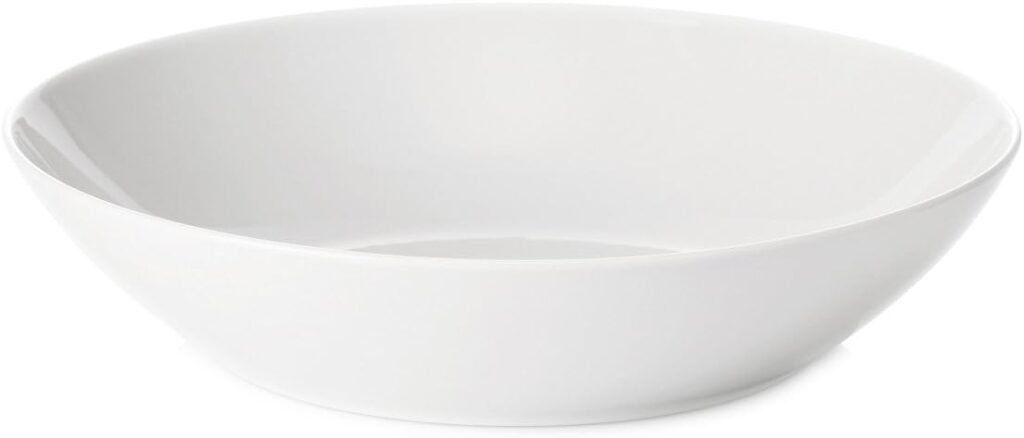
Pillivuyt is particularly well regarded for its bakeware soufflé dishes, ramekins, and casserole dishes that move directly from oven to table.
The brand has a loyal following among serious home cooks and fine dining establishments that value both visual refinement and cooking performance in the same piece.
Overview of Apilco
Apilco is a French porcelain brand with a strong reputation in the hospitality industry.
Established in 1932 and based in Limoges, France’s historic porcelain capital, Apilco built its identity around commercial-grade porcelain designed to survive the rigours of restaurant and hotel use.
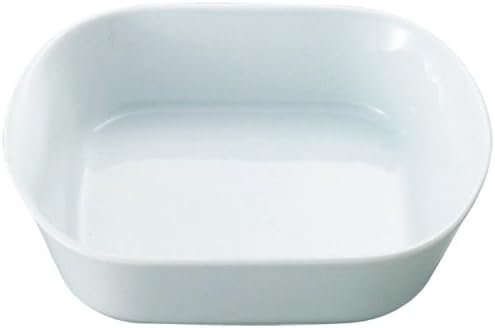
Heavy-duty construction, excellent chip resistance, and practical stackability are the brand’s hallmarks.
While Apilco is used extensively in professional kitchens across Europe, its classic bistro style white porcelain dinnerware has also made it a popular choice for home buyers seeking restaurant quality at the table.
What Makes French Porcelain Unique?
French porcelain — particularly from the Limoges region — is produced from high-quality kaolin clay combined with feldspar and quartz, fired at temperatures that cause full vitrification.
This glass-like transformation during kiln firing creates a dense, non-porous ceramic body with exceptional strength, translucency, and surface hardness.
High-fired porcelain from reputable French manufacturers is naturally resistant to staining, bacterial absorption, and surface degradation — qualities that distinguish it from lower-fired earthenware or standard stoneware alternatives.
Related: Apilco Pasta Bowls
Why These Brands Are Frequently Compared
Pillivuyt and Apilco occupy similar market territory; both are French, both produce white porcelain dinnerware, both offer oven-safe and dishwasher-safe functionality, and both appear in professional kitchen contexts.
That overlap is exactly why buyers compare them. The practical question is which one fits your specific needs better, and that answer differs depending on whether you’re prioritising culinary presentation, commercial durability, everyday convenience, or investment value in your tableware collection.
Pillivuyt vs Apilco: Material and Manufacturing Differences
Porcelain Composition Comparison
Both brands use high-fired porcelain as their core material, but their formulations reflect different priorities. Pillivuyt’s porcelain is formulated for elegance and thermal performance.
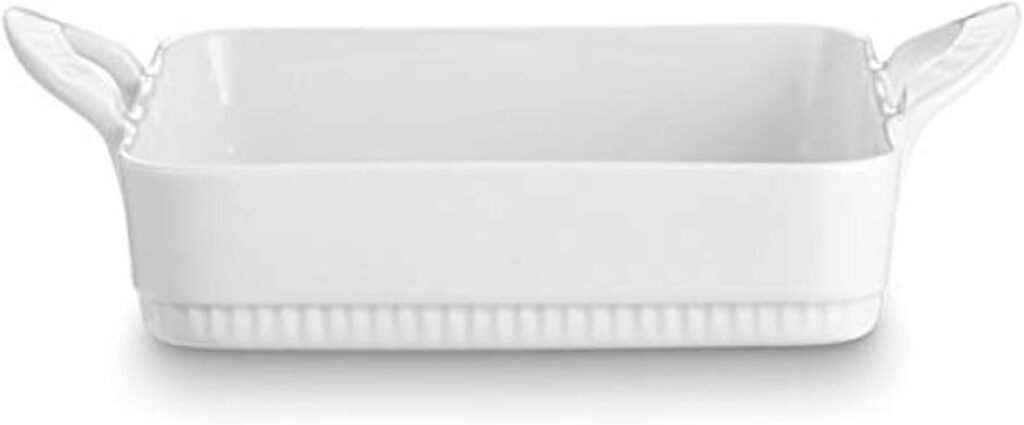
Its ceramic body is dense and refined, optimised for even heat distribution in baking applications.
Apilco’s porcelain leans toward maximum commercial durability, a heavier ceramic body engineered for edge strength and chip resistance under the kind of daily stress that restaurant service dishes experience.
Both are food-safe materials that are lead-free and cadmium-free.
Manufacturing Techniques
Pillivuyt has maintained traditional French craftsmanship methods through its long production history, combining industrial manufacturing precision with the design sensibility of a heritage porcelain house.
Apilco’s manufacturing, based in Limoges, is oriented toward consistent commercial-grade output, high volume, with tight quality assurance standards designed to meet hospitality industry specifications.
Both brands represent genuine French porcelain production rather than offshore manufacturing under a French-sounding brand name.
Firing Temperatures and Durability
High-fired porcelain from both brands achieves full vitrification, which is the key to their durability and non-porous surface. The firing process creates a ceramic that’s significantly harder and denser than earthenware or low-fired ceramics.
This thermal shock resistance is what allows both Pillivuyt and Apilco pieces to move from freezer to oven without cracking — a practical advantage that cheaper ceramic alternatives simply cannot reliably offer.
Glazing and Surface Finish Differences
Pillivuyt typically features a refined gloss finish that enhances the visual brightness of its white porcelain — clean, bright, and well-suited to formal dining presentation.
Apilco’s glaze is similarly high-quality but engineered with an emphasis on glaze durability under commercial dishwasher cycles.
Both offer excellent scratch resistance, but Apilco’s heavier construction means its edges and rims are specifically built to absorb the kind of incidental impacts that occur in busy restaurant environments.
Weight and Thickness Comparison
Apilco dishes are noticeably heavier than Pillivuyt equivalents, a deliberate design choice for restaurant durability.
The additional thickness and weight contribute to better edge strength and chip resistance, which matters when dishes are being stacked, washed, and handled dozens of times daily.
Pillivuyt pieces are lighter and thinner while still being substantial — more appropriate for home use where handling volume is lower and aesthetic refinement carries more weight in the buying decision.
Design and Aesthetic Differences
Pillivuyt’s Traditional French Elegance
Pillivuyt’s design language is rooted in traditional French table culture, timeless, refined, and quietly elegant. The brand’s classic white plates and bakeware carry a sense of occasion without being ostentatious.
Clean lines, precise proportions, and a gloss finish that reflects light well make Pillivuyt pieces natural fits for formal dining settings and culinary presentation contexts where the dishware should complement the food without competing with it.
Apilco’s Professional and Functional Design
Apilco’s design aesthetic is professional and purposeful — the bistro style white porcelain that characterises the brand is functional minimalism at its best.
Classic white plates with clean, straightforward shapes are designed to showcase food rather than draw attention to themselves. It’s the same philosophy that drives fine dining restaurant presentation: a neutral, impeccably clean canvas that lets the cuisine take centre stage.
That practical elegance has made Apilco equally at home in Parisian bistros and modern home kitchens.
Available Shapes, Collections and Colors
Both brands focus primarily on white porcelain, with Pillivuyt offering a broader range of bakeware shapes — soufflé dishes, gratin dishes, ramekins, and speciality cooking vessels alongside standard dinner plate and bowl profiles.
Apilco’s range centres on restaurant-oriented pieces: coupe plates, rimmed plates, pasta bowls, soup bowls, and serving platters optimised for food service contexts. Neither brand emphasises decorative colour patterns; the white porcelain aesthetic is central to both identities.
Which Brand Fits Modern Kitchens Better?
Both brands suit minimalist tableware aesthetics naturally. Pillivuyt’s refined finish works well in kitchens that value visual elegance alongside cooking performance.
Apilco’s clean, professional look fits contemporary and modern dining environments where simplicity and function are the design priority.
For home cooks who want the kitchen to feel like a professional kitchen, Apilco’s commercial-grade porcelain delivers that aesthetic convincingly.
Durability Comparison: Pillivuyt vs Apilco
Chip Resistance
Apilco has the edge on chip resistance, its heavier porcelain body and thicker rim construction are specifically engineered for commercial durability where chips are a daily occupational hazard.
Pillivuyt’s chip resistance is strong for home use, but doesn’t match Apilco’s commercial-grade specifications.
If chip resistance is your primary durability concern, particularly if you have young children or a high-traffic household, Apilco’s construction is the more robust choice.
Scratch Resistance
Both brands deliver excellent scratch resistance owing to their high-fired porcelain glazes. The vitrified ceramic surface is significantly harder than earthenware or stoneware glazes, meaning cutlery marks and surface abrasion are far less likely to accumulate over time.
For everyday home use, both Pillivuyt and Apilco maintain their appearance well through years of regular use and dishwasher cycles without the surface dulling or discolouring noticeably.
Heat and Thermal Shock Resistance
Thermal shock resistance is a genuine strength of both brands; it’s a direct result of high-fired porcelain’s vitrified structure. Both Pillivuyt and Apilco pieces can move from freezer to preheated oven without cracking, and from oven to table without thermal damage.
This performance characteristic is what makes both brands genuinely useful for cooking, not just serving, and it’s a feature that lower-quality ceramics simply can’t match reliably.
Oven, Microwave and Dishwasher Safety
Both brands are oven-safe, microwave-safe, dishwasher-safe, broiler-safe, and freezer-safe — a full compatibility profile that few other dinnerware materials can match.
Pillivuyt is rated oven-safe up to around 300°C (572°F). Apilco carries similar ratings. This versatility is one of the strongest practical arguments for French porcelain dinnerware over alternatives that compromise on one or more of these use cases.
Which Brand Performs Better for Everyday Use?
For high-volume everyday use, particularly in households where dishes get stacked, dropped, and run through the dishwasher daily, Apilco’s commercial-grade construction gives it a practical edge.
For more measured everyday use where visual refinement matters as much as durability, Pillivuyt performs excellently and brings a more considered aesthetic to the table.
Neither brand will disappoint under reasonable everyday conditions. The difference is in how much stress the dishes are expected to absorb.
Pillivuyt vs Apilco for Cooking and Baking
Oven-to-Table Performance
Oven-to-table functionality is a shared strength of both brands, but Pillivuyt has a broader and more refined bakeware range that makes it particularly compelling for this use case.
A Pillivuyt soufflé dish or gratin dish goes from the oven to the table looking as intentional as the food inside it, which is the whole point of oven-to-table cooking.
Apilco’s oven-safe pieces perform the function equally well, but its range is less bakeware-specific than Pillivuyt’s.
Bakeware Functionality
Pillivuyt’s bakeware is its most distinctive product category. Soufflé dishes, ramekins, gratin dishes, casserole dishes, and baking dishes are all designed to handle direct oven heat and present beautifully at the table.
The even heat distribution through Pillivuyt’s porcelain body supports consistent cooking results, particularly for egg-based dishes and delicate bakes where temperature uniformity matters.
It’s one of the primary reasons Pillivuyt maintains such a strong reputation among serious home cooks.
Heat Retention Comparison
Porcelain’s thermal mass gives both brands strong heat retention; dishes stay warmer longer than glass or thin ceramic alternatives.
Apilco’s heavier construction gives it a slight edge in raw heat retention capacity, which benefits restaurant service where dishes may sit between the kitchen and the table.
For home use, both brands keep food at serving temperature comfortably, making either choice practical for entertaining or family meals where dishes sit on the table rather than being served immediately.
Best Brand for Professional Chefs
Professional chefs use both for different applications.
Apilco’s commercial-grade porcelain dominates restaurant service contexts with its durability under high-volume use, stackability in tight kitchen storage, and consistent white neutral palette for food plating, making it the practical choice for most food service operations.
Pillivuyt appears more frequently in fine dining settings where bakeware presentation and elegant serving pieces are part of the culinary experience rather than just functional vessels.
Home Cooking vs Commercial Kitchen Usage
For home cooking, Pillivuyt’s bakeware range and refined aesthetic give it an advantage for cooks who want their equipment to look as good as it performs.
For commercial kitchen usage, Apilco’s durability credentials and hospitality industry track record make it the more logical investment.
A restaurant buying dinnerware for 50 tables is making a different calculation than a home cook equipping a kitchen for daily family meals — and both brands understand their respective audiences well.
Which Brand Is Better for Restaurants and Hospitality?
Why Restaurants Use Apilco
Apilco’s commercial credentials are well established. Restaurant dinnerware needs to survive hundreds of dishwasher cycles, constant stacking and unstacking, the occasional hard landing in a busy kitchen, and years of daily service.
Apilco’s heavy-duty porcelain construction was engineered for exactly these conditions. Its resistance to chipping, its stackability, and its consistent white palette for food presentation make it the default choice for many European restaurants and hotels seeking reliable hotelware at a reasonable cost per piece.
Pillivuyt in Fine Dining Settings
Pillivuyt appears in fine dining restaurant contexts where the presentation piece itself is part of the dining experience.
A perfectly proportioned Pillivuyt serving dish or individual soufflé ramekin communicates quality and intention; it’s tableware that earns its place on a premium menu.
Fine dining restaurants that invest in the full table presentation, not just the food, tend to favour Pillivuyt’s more refined aesthetic over the functional minimalism of commercial restaurant ware.
Stackability and Storage Efficiency
Apilco plates and bowls are designed with commercial stackability in mind; their shapes nest efficiently, and their rims are built to distribute stacking weight evenly without damage.
This matters significantly in professional kitchen environments where storage space is limited, and dishes are stacked high.
Pillivuyt pieces stack well for home use but aren’t optimised for the high-density commercial storage conditions that Apilco’s construction specifically anticipates.
Commercial Durability Considerations
For hospitality businesses making a dinnerware investment, the cost-per-use calculation matters. Apilco’s superior chip resistance and commercial durability mean fewer replacements over the lifespan of a restaurant’s dinnerware stock.
The higher upfront cost per piece compared to budget restaurant ware is offset by the longer service life and consistent professional appearance that Apilco maintains through years of heavy use, a calculation that makes it cost-efficient for serious hospitality operations.
Cost Efficiency for Hospitality Businesses
Apilco offers better cost efficiency for hospitality contexts — not necessarily the lowest upfront price, but the best value over the service life of the pieces.
Fewer replacements, consistent appearance, and genuine commercial durability make the investment defensible for restaurants and hotels. Pillivuyt, while excellent quality, is positioned more as a premium home and fine dining brand than as a cost-efficient commercial solution for high-volume operations.
Pillivuyt vs Apilco Pricing Comparison
Which Brand Is More Expensive?
Pillivuyt generally carries a higher price point than Apilco, reflecting its premium French craftsmanship positioning and its broader bakeware and speciality item range.
Individual Pillivuyt pieces — particularly its bakeware — can command prices that reflect the brand’s heritage and manufacturing precision.
Apilco is positioned as mid-to-premium, offering genuine French porcelain quality at prices that make commercial quantities practical for restaurant buyers and accessible for home buyers building a full dinnerware set.
What Factors Influence Price?
Both brands’ pricing reflects genuine French manufacturing costs, high-quality porcelain materials, and the durability of their products.
Pillivuyt’s premium over Apilco reflects its heritage brand positioning, its bakeware specialisation, and the refined craftsmanship detail in its product range.
Apilco’s pricing reflects commercial-grade manufacturing efficiency — consistent quality at scale. Neither brand competes with budget ceramic imports on price, nor should they.
Is Pillivuyt Worth the Higher Price?
For bakeware specifically, yes, unambiguously. Pillivuyt’s soufflé dishes, ramekins, and gratin dishes are among the best-regarded pieces in their category, and serious home cooks consider them a worthwhile investment that lasts decades.
For standard dinner plates and bowls, the price premium over Apilco is harder to justify unless visual refinement is a primary consideration. The right answer depends on what you’re buying and why.
Which Brand Offers Better Long-Term Value?
Both brands offer strong long-term value relative to cheaper alternatives. French porcelain dinnerware from either Pillivuyt or Apilco outlasts budget ceramic sets by years under normal use.
For home buyers, Pillivuyt’s durability and aesthetic staying power represent genuine long-term value. For commercial buyers, Apilco’s resistance to the specific stresses of restaurant use makes it a better value proposition over its service life.
Safety and Food-Contact Considerations
Are Pillivuyt and Apilco Lead-Free?
Both Pillivuyt and Apilco produce lead-free dinnerware that complies with European and international food contact safety standards.
French porcelain manufacturers are subject to EU regulations governing heavy metals in food-contact materials, and both brands’ products meet these standards.
For consumers concerned about lead in ceramic glazes, a legitimate concern with older or unregulated imported ceramics, both brands represent safe, compliant choices for everyday food use.
BPA-Free and Non-Toxic Properties
Porcelain dinnerware is inherently BPA-free — BPA is a plastic manufacturing compound and has no relevance to ceramic or porcelain production.
Both Pillivuyt and Apilco are non-toxic dinnerware options in terms of material composition. Their vitrified, non-porous surfaces don’t absorb food compounds or leach chemicals into food under normal use conditions, making them among the safest everyday dinnerware materials available.
Food-Safe Glazing Standards
Both brands apply food-safe ceramic glazes that are cadmium-free and lead-free, meeting the requirements of the European food contact material regulations.
The high-fired vitrification process that both brands use creates a naturally non-porous surface that resists bacterial absorption, a hygiene advantage over lower-fired, more porous ceramics that can harbour food residue in microscopic surface imperfections even after washing.
FDA and International Safety Compliance
As French manufacturers selling in international markets, both Pillivuyt and Apilco produce to the EU’s stringent food contact materials standards, which are comparable to or stricter than FDA regulations in the US.
Buyers in North America purchasing either brand through legitimate retail channels can be confident that both brands meet applicable food-safe material standards for regular food and drink use.
Pillivuyt vs Apilco for Everyday Home Use
Ease of Cleaning
Both brands are dishwasher-safe, and both benefit from the non-porous surface of high-fired porcelain — food releases cleanly without staining or residue retention.
In practical terms, either brand is equally easy to maintain for everyday household use. The vitrified surface means neither brand requires the hand-washing care that more delicate fine china or hand-painted ceramics demand, which is a significant practical advantage for daily family use.
Storage and Stackability
For home storage, both brands stack efficiently. Apilco’s commercial stackability design gives it a slight advantage for households with limited cabinet space or larger dish sets.
Pillivuyt’s pieces stack well but prioritise proportional elegance over maximum storage density. For most home kitchens, both brands fit comfortably in standard cabinet configurations without requiring specialist storage solutions.
Weight and Handling Comfort
Pillivuyt’s lighter construction makes it more comfortable to handle for extended serving or baking sessions. Lifting a full soufflé dish from the oven is easier when the dish itself doesn’t add unnecessary weight.
Apilco’s heavier pieces feel more substantial in the hand — a quality many people associate with commercial-grade durability.
The preference is personal, but for families with children or elderly members, Pillivuyt’s lighter weight is a practical advantage.
Which Brand Is Better for Families?
For families with children, Apilco’s chip resistance and commercial durability give it a practical edge — pieces are less likely to chip when dropped or stacked carelessly.
Pillivuyt is an excellent family choice for households where care for the dinnerware is part of the household culture and the aesthetic is a genuine priority.
Both brands are food-safe, dishwasher-safe, and built for daily use — the durability difference becomes relevant primarily in high-impact household conditions.
Best Choice for Minimalist Kitchens
Both brands suit minimalist kitchen aesthetics naturally.
Apilco’s clean, professional, white and straightforward shapes have a stronger functional minimalism character.
Pillivuyt’s refined finish and broader shape variety allow for more considered curation of a minimalist tableware collection.
For kitchens where the table setting is part of the interior design rather than just a functional necessity, Pillivuyt’s aesthetic precision gives it a slight edge.
Customer Reviews and User Experiences
Common Praise for Pillivuyt
Users consistently praise Pillivuyt for its bakeware performance, particularly the soufflé dishes and ramekins that are considered benchmark pieces in their category.
The aesthetic quality of Pillivuyt pieces earns regular mention, as does the brand’s heat retention and oven-to-table versatility.
Long-term owners frequently note that Pillivuyt pieces show minimal wear after years of regular use, citing scratch resistance and consistent glaze appearance as particularly valued qualities.
Common Praise for Apilco
Apilco reviews consistently highlight durability and chip resistance as the brand’s standout qualities. Restaurant professionals in particular praise the brand’s ability to maintain a consistent appearance through heavy commercial use.
Home buyers frequently mention the satisfying weight and solidity of Apilco pieces alongside their practical dishwasher performance. The bistro-style aesthetic draws regular positive comments from buyers who want genuine French restaurant character at home.
Reported Durability Issues
Both brands have minimal reported durability issues compared to cheaper ceramic alternatives. Occasional chipping is reported for Pillivuyt under high-impact conditions consistent with its lighter, more refined construction.
Apilco sees fewer chip complaints given its commercial engineering. Thermal cracking is rarely reported for either brand when standard usage guidelines are followed.
The most common issue across both brands is the price of replacement pieces when individual items are damaged.
Which Brand Has Better Long-Term Satisfaction?
Long-term satisfaction is high for both brands among buyers who chose based on accurate expectations. Pillivuyt buyers who prioritised baking and elegant presentation report high long-term satisfaction.
Apilco buyers who wanted commercial durability in a home context report similarly strong satisfaction.
Dissatisfaction tends to occur when buyers choose the wrong brand for their actual usage pattern, which this article aims to prevent.
Pros and Cons of Pillivuyt
Advantages of Pillivuyt
Pillivuyt’s strongest advantages are its bakeware range, its refined aesthetic, its long heritage of French craftsmanship, and its oven-to-table versatility.
The brand covers cooking and serving with equal quality, a rare combination. Its porcelain is food-safe, lead-free, and engineered for genuine performance in home cooking contexts.
For buyers who want their cookware to be as visually considered as their tableware, Pillivuyt is one of the strongest options available in French porcelain.
Potential Drawbacks of Pillivuyt
The price premium is Pillivuyt’s primary drawback, particularly for buyers who want a complete dinner service rather than select bakeware pieces.
Chip resistance, while good, doesn’t match Apilco’s commercial-grade performance, making it a less ideal choice for high-impact household environments.
Availability outside Europe and North America can also be limited, which affects buyers in other markets looking to source replacement pieces from the same collection.
Pros and Cons of Apilco
Advantages of Apilco
Apilco’s commercial-grade chip resistance and durability are its headline advantages — it genuinely outperforms most home-market porcelain brands in real-world durability conditions.
The brand’s restaurant heritage gives it authentic professional credibility. Its price point is more accessible than Pillivuyt for buyers wanting a full dinnerware set, and its clean bistro aesthetic is versatile enough to work across both casual and more formal dining contexts without looking out of place.
Potential Drawbacks of Apilco
Apilco’s bakeware range is more limited than Pillivuyt’s. Buyers specifically seeking speciality cooking vessels like soufflé dishes and gratin pieces will find less variety.
The heavier construction, while a durability asset, makes individual pieces noticeably weightier, a consideration for users who find heavier dishes difficult to manage.
The functional-first design aesthetic, while appropriate for its market, may feel less refined than Pillivuyt for buyers prioritising visual elegance above all.
Pillivuyt vs Apilco: Which Should You Choose?
Best for Luxury Dining
Pillivuyt. Its refined aesthetic, premium French craftsmanship, and elegant presentation make it the stronger choice for luxury dining contexts where the table setting is part of the experience.
The brand’s bakeware, in particular, brings a level of visual intention to oven-to-table presentation that Apilco’s more utilitarian pieces don’t quite match.
Best for Restaurant Use
Apilco. Its commercial-grade chip resistance, stackability, consistent white palette for food plating, and proven hospitality industry track record make it the clear choice for restaurant dinnerware contexts.
The durability calculation for high-volume commercial use strongly favours Apilco’s construction over Pillivuyt’s more refined but lighter build.
Best for Everyday Cooking
Pillivuyt for everyday cooking enthusiasts who bake regularly, its bakeware range is unmatched in its category. Apilco for everyday dining in higher-impact households where durability is the priority.
For a household that wants both a capable everyday dinner service and a serious bakeware collection, Pillivuyt covers both bases most comprehensively.
Best for Durability and Longevity
Apilco for pure durability under heavy use, its commercial engineering gives it a measurable edge in chip resistance and resistance to the physical stresses of daily high-volume service.
For home use at reasonable volumes, both brands are durable enough to last decades with proper care. The durability gap between them becomes significant primarily in commercial or near-commercial conditions.
Best Value for Money
Apilco for buyers prioritising cost efficiency across a full dinner service. Pillivuyt for buyers whose primary investment is in bakeware and speciality cooking pieces, where its quality justifies the premium.
Both brands represent significantly better long-term value than budget ceramic alternatives; either choice is a genuine investment in reusable dinnerware that performs well over years of use.
Conclusion
Pillivuyt and Apilco are both excellent French porcelain brands, but they serve different masters. Pillivuyt leads on premium craftsmanship, bakeware depth, and refined elegance for home dining.
Apilco leads on commercial durability, chip resistance, and the kind of functional professionalism that restaurants and high-use households need.
Neither choice is wrong; the right one depends entirely on what you’re sitting down to cook and how many people will be stacking those dishes in your kitchen.
Choose based on how you actually cook and eat, not just how you want the table to look. Invest in the brand whose strengths align with your real usage pattern, and you’ll have porcelain dinnerware that earns its place in your kitchen for years.
Both Pillivuyt and Apilco are worthy investments. The best one is the one you’ll actually use and use well.
About the Author & Reviewer
Sarah Emirone, Author
Sarah researches and writes SafeKitchn’s dinnerware and kitchenware guides, with a focus on material safety, lead content, and manufacturer specifications. She cross-references product data sheets, safety certifications, and regulatory filings (including FDA and Prop 65 records) before publishing, and updates articles when new information becomes available.
James Daniels, Reviewer
James reviews SafeKitchn’s material safety content for scientific accuracy. He holds a B.Sc in inorganic chemistry and works as a materials researcher, with particular focus on the composition and safety behavior of glass, ceramic, and metal used in kitchenware.