

If you’ve ever set a table for dinner, you’ve already worked with dinnerware. But what are dinnerware sets, exactly? Simply put, dinnerware refers to the coordinated collection of plates, bowls, cups, and mugs used for serving and eating meals.
It plays a bigger role than most people realize, from how food is presented on the table to how well your kitchen functions day to day.
In this article, we’ll walk through the definition of dinnerware, the types available, the materials they’re made from, and what to look for when choosing the right set for your home.
Written by Sarah Emirone | Reviewed by James Daniels, B.Sc, Inorganic Chemist & Materials Researcher | Updated September 2026 | See How We Test | Filed under: Buying, Care & Product Guides
Definition of Dinnerware
What Dinnerware Means
Dinnerware is a broad term that covers the dishes and plates we use during meals. It’s part of the larger category of tableware, which arranges everything a dining table needs, from the food vessels themselves to the utensils alongside them.

Specifically, dinnerware refers to the items that hold food: plates, bowls, and cups that make up your everyday table setting.
Whether you’re sitting down to a quick breakfast or hosting a formal dinner, dinnerware is what the food lands on and what your guests interact with most directly.
Items Included in Dinnerware
A typical dinnerware set includes several key pieces that work together as a coordinated group:
- Dinner plates — the large plates used for the main course
- Salad plates — smaller plates for salads, appetizers, or side dishes
- Soup bowls — deep bowls that hold soups, stews, or pasta
- Cereal bowls — smaller bowls for breakfast or light meals
- Cups and mugs — for coffee, tea, or other hot drinks
- Dessert plates — used for sweets or lighter courses
Some sets also include serving bowls and serving platters for shared dishes at the table. The exact pieces depend on the size and style of the set you choose.
Purpose of Dinnerware
Dinnerware serves three main purposes: serving food, eating meals, and enhancing food presentation. On a practical level, it holds and contains food during the meal.
On a design level, it contributes to how the table looks and how food is presented, something that matters both at home and in professional dining settings.
Chefs and hosts alike know that the right dish can make food look more appealing. Beyond that, quality dinnerware brings a sense of order and intention to the dining experience, even for everyday meals.
Types of Dinnerware
Everyday Dinnerware
Everyday dinnerware is exactly what the name suggests: the dishes you reach for daily. These sets are designed for regular home use, so durability and ease of cleaning are priorities.
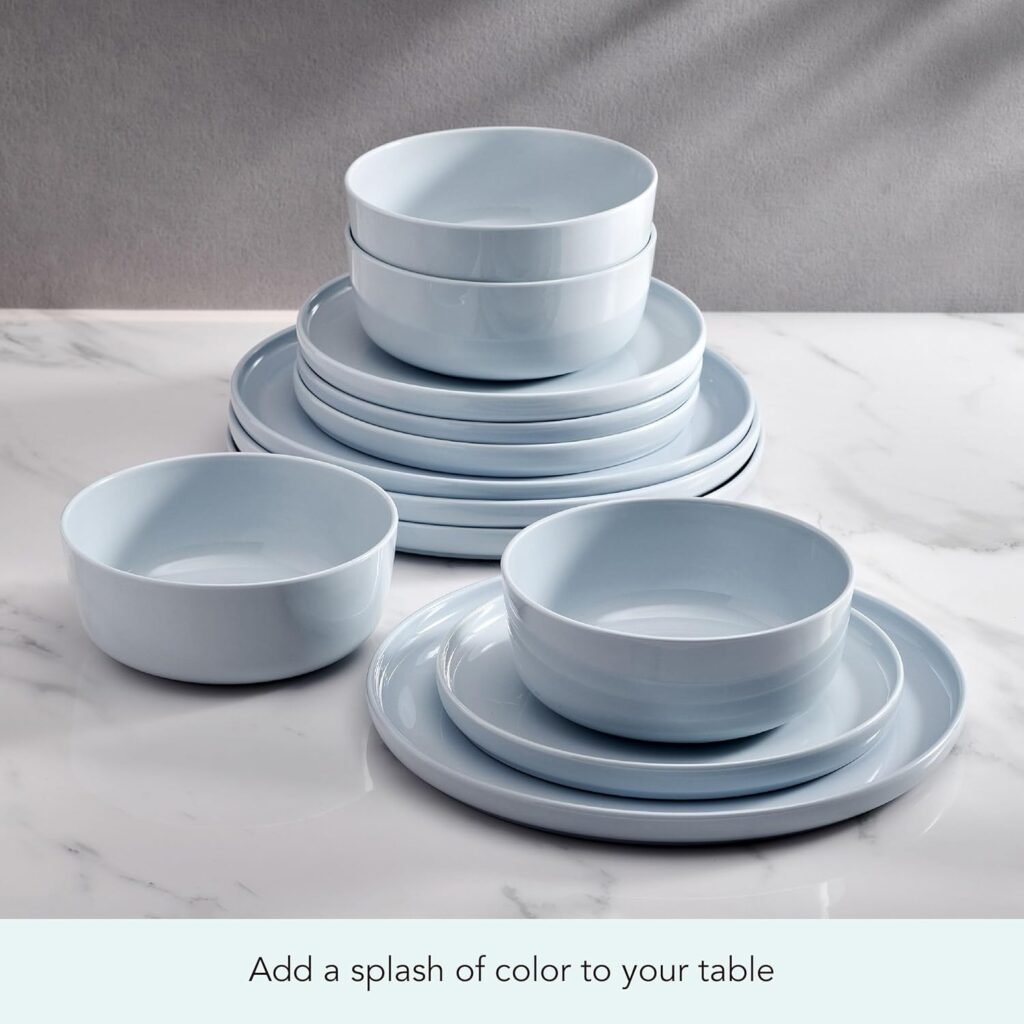
Most households keep a reliable set of best dinnerware sets for everyday use that can handle daily wear without chipping or fading.
You’ll typically find everyday dinnerware made from stoneware or porcelain, often sold in 4-piece or 16-piece sets to accommodate a family. Dishwasher-safe and microwave-safe properties matter a lot here since these dishes see the most action.
Formal Dinnerware
Formal dinnerware is reserved for special occasions, holiday gatherings, dinner parties, or celebratory meals. These sets tend to use premium materials like bone china or fine porcelain, and their designs lean toward elegant, refined aesthetics.
A formal table setting typically involves more pieces per place setting, including charger plates positioned decoratively beneath the dinner plate. The hospitality industry relies heavily on formal tableware to deliver a polished dining experience.
For home use, formal dinnerware is usually stored carefully and brought out only for occasions worth celebrating.
Specialty Dinnerware
Specialty dinnerware includes plates and bowls designed for specific foods or settings. Think kids’ dinnerware, child-safe dishes made from melamine or other durable materials, or outdoor and camping dinnerware built for use away from the kitchen.
There’s also restaurant dinnerware and catering tableware, which prioritize durability and stackability for high-volume use.
For households with specific needs, you can explore options like the complete guide to RV and outdoor dinnerware or look into the complete guide to wheat straw dinnerware for eco-conscious choices.
Materials Used in Dinnerware
Ceramic and Porcelain
Ceramic dinnerware is one of the most common categories you’ll find. It’s made from clay that goes through clay processing, shaping (often through slip casting or mold pressing), and kiln firing to create hardened, food-safe pieces.
Within the ceramic family, porcelain dinnerware stands out for its refined finish and density. It’s fired at higher temperatures, which produces a durable, non-porous surface with a clean, polished look.
Corelle is a well-known brand in the glass-ceramic space. Check out the complete guide to Corelle dinnerware for a deeper look. Porcelain pieces typically carry a glossy glaze finish and are resistant to staining, making them practical for both everyday and formal dining.
Stoneware and Earthenware
Stoneware dinnerware is made from dense clay and fired at high temperatures, producing a heavier, more rustic result than porcelain. It’s thick, durable, and has a slightly textured surface that many people find warm and inviting. It suits farmhouse and casual dining aesthetics well.
Earthenware is a lower-fired ceramic material, giving it a more porous texture and a handmade quality that pottery artisans have worked with for centuries.
While earthenware is less chip-resistant than stoneware or porcelain, its rustic dinnerware character makes it popular for decorative or artisan sets. Both materials benefit from a food-safe coating applied during the glazing stage.
Glass and Melamine
Glass dinnerware, like the kind produced by Corelle using tempered glass, is lightweight, scratch-resistant, and often stackable, making it a practical space-saving dinnerware option.
Melamine dinnerware is a lightweight plastic alternative that resists breakage, which is why it’s so popular for outdoor dining, camping, and households with young children.
For guidance on choosing between materials, the ” How to choose the right dinnerware material guide breaks it down in detail. Melamine should not be used in microwaves, but it’s otherwise durable and comes in a wide range of colorful dinnerware styles.
Components of a Dinnerware Set
Standard Place Settings
A place setting is the complete set of dishes assembled for one person at the table. In most standard dinnerware sets, a single place setting contains four pieces:
- A dinner plate for the main course
- A salad plate for starters or sides
- A bowl for soup, cereal, or pasta
- A cup or mug for beverages
This four-piece configuration is the baseline that most brands use when building their sets. It covers the essentials for a full meal without overcomplicating the table arrangement.
Expanded Dinnerware Sets
Beyond the standard place setting, many dinnerware collections include additional pieces for a more complete table setup.
Expanded sets might add dessert plates, cup and saucer pairs for more formal tea or coffee service, serving bowls for shared dishes, and serving platters for presenting food at the table.
These extras make a big difference for family dining or when entertaining guests. If you’re shopping for a household with more needs, the best dinnerware sets for families roundup covers sets that balance size, durability, and value well.
Place Setting Sizes
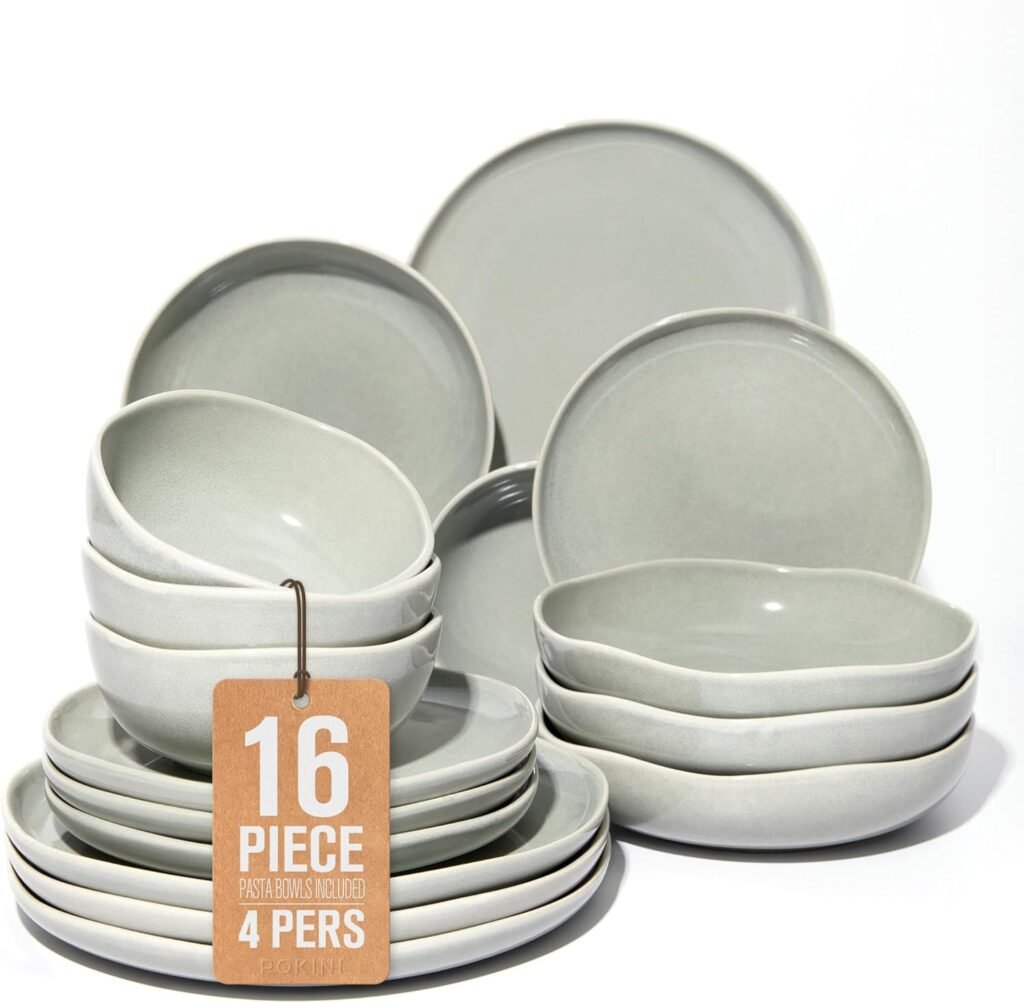
Dinnerware sets are typically sold in configurations based on how many place settings they include. A 4-piece set covers one person, useful for someone building a kitchen from scratch or adding to an existing collection.
A 16-piece set covers four people, making it the most popular size for small to mid-size households.
Larger dinnerware collections might include 20 or more pieces, especially when serving bowls, platters, and extra place settings are factored in.
Knowing your household size helps narrow down what size set you actually need before you buy.
Dinnerware vs Other Table Items
Dinnerware vs Tableware
These two terms are often used interchangeably, but there’s a distinction worth knowing.
Tableware is the broader category that arranges everything you’d place on a dining table, including the dinnerware itself, glassware for drinks, and flatware like forks, knives, and spoons.
Dinnerware, on the other hand, refers specifically to the dishes: the plates, bowls, and cups.
So while all dinnerware is tableware, not all tableware is dinnerware. When someone talks about “setting a beautiful table,” they’re usually thinking about the full tableware picture, but the dishware is the foundation of it all.
Dinnerware vs Serveware
Serveware is the category of items used to present and serve food at the table, such as large serving bowls, serving platters, casserole dishes, and salad servers.
The distinction is that serveware travels from the kitchen to the table carrying food for everyone, while dinnerware sits at each person’s place and holds individual portions.
Some pieces blur the line; a large serving bowl could technically appear in both categories, but generally, if it’s being passed around the table, it’s serveware. If it’s in front of your plate, it’s dinnerware.
Dinnerware vs Cookware
Cookware is for preparing food in pots, pans, baking dishes, and skillets. Dinnerware is for eating. The two categories rarely overlap, though some stoneware and ceramic pieces are oven-safe and can go from the kitchen to the table.
The key difference is function: cookware handles heat from a stove or oven during cooking, while dinnerware handles the finished meal at the table. Mixing them up can cause safety issues, since not all dinnerware is designed to withstand direct heat from cooking appliances.
How Dinnerware Is Used in Table Settings
Casual Dining Table Settings
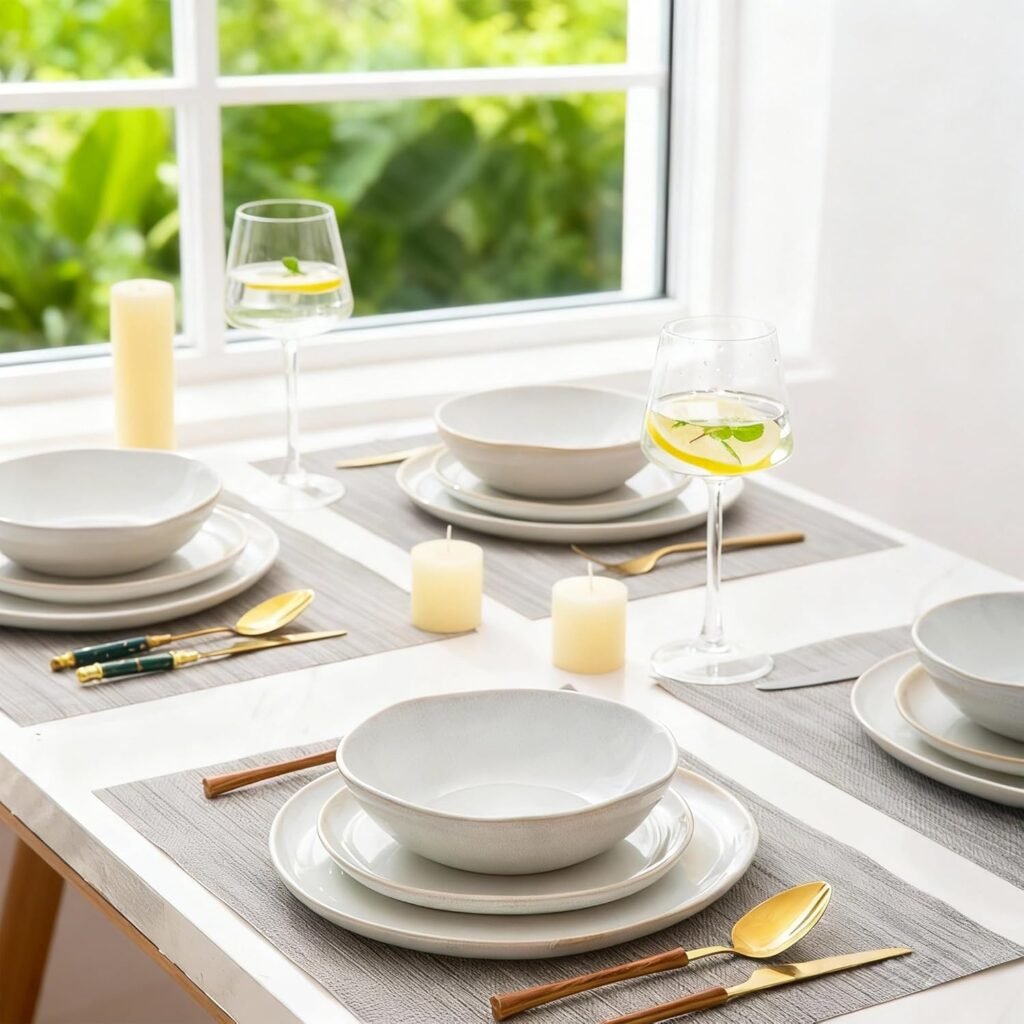
A casual table setting is straightforward: a dinner plate in the center, a bowl stacked on top if needed, a mug or cup to the side, and flatware flanking the plate.
This is the everyday arrangement most households use for breakfast, lunch, and dinner. The goal is functional: get the right dishware in place quickly and comfortably.
Dishwasher-safe dinnerware sets are especially valuable here since casual dining means frequent washing. Brands like American Fiesta Ware, covered in the complete guide to American FiestaWare dinnerware brand, are popular for casual settings thanks to their colorful dinnerware designs and durability.
Formal Dining Table Settings
A formal table setting uses multiple plates and dishes for a multi-course meal. The arrangement typically includes a charger plate as a decorative base, a dinner plate on top, a salad plate to the upper left, a soup bowl for the starter course, and a cup and saucer for coffee or tea at the end.
Formal dining etiquette dictates that each dish serves its specific course and is cleared before the next arrives. This kind of setup is common in hotels, restaurants, and upscale catering events where tabletop presentation communicates quality and attention to detail.
Food Presentation and Dining Experience
The dinnerware you use directly shapes how food looks and how the meal feels. A well-chosen plate, the right size, color, and finish, makes food look more intentional and appetizing.
Chefs think about this deliberately: a matte finish on a dark ceramic plate can make colors in food pop, while a glossy glaze on white porcelain gives a clean, classic look.
At home, the same principle applies. Even simple meals feel more considered when the dishware fits the occasion. That’s why tableware design matters; it’s not just about function, it’s about the experience of sitting down and eating.
Choosing the Right Dinnerware
Material Considerations
Durability and maintenance are the two biggest material factors to think about. If you want something that holds up to daily use, stoneware and porcelain are solid choices.
If you need something lightweight and break-resistant, especially for families with kids or outdoor use, melamine is worth considering.
Always check whether a set is microwave safe dinnerware sets and dishwasher safe dinnerware sets, since those features significantly affect how convenient the dishes are in practice.
The complete dinnerware buying guide covers material trade-offs in depth, and you can also read up on caring for and storing your favourite dinnerware brands to make your set last longer.
Style and Design
Matching your dinnerware to your kitchen décor and personal dining style makes a bigger difference than people expect. Modern dinnerware tends toward clean lines and neutral tones, minimalist tableware that works in most settings.
Rustic dinnerware leans into textured surfaces and earthy colors.
Colorful dinnerware, like what Fiestaware produces, makes a bold statement and adds personality to the table. Consider whether you want something timeless or something that reflects a specific aesthetic.
A neutral dinnerware set is easy to mix and match, while a designer dinnerware collection in a specific palette requires more intentional coordination.
Household Needs
Think practically about how many people you’re regularly feeding. A single person or couple can do well with a 4-piece or 8-piece set. A family of four needs at least a 16-piece set. If you entertain regularly, look at larger collections or sets that can be expanded.
Budget matters too; there are excellent options at various price points, and the best dinnerware sets under $100 guide shows you don’t need to overspend for quality.
Factor in storage as well: a stackable design helps in smaller kitchens, while larger sets need dedicated cabinet space. The right choice balances your household’s size, lifestyle, and kitchen setup.
Final Thoughts
Dinnerware is more than just a collection of plates and bowls; it’s the foundation of how we serve food, set our tables, and experience meals day to day.
From everyday ceramic sets to formal bone china, each type serves a purpose and fits a lifestyle.
The right dinnerware combines durable materials, practical features like dishwasher- and microwave-safe construction, and a design that suits your home.
Whether you’re outfitting a kitchen for the first time or upgrading what you already own, understanding what goes into a dinnerware set helps you make a choice that genuinely works for your household.
Related: The Difference between Dinner Set and Dinnerware
Related: Types of Crockery
Related: Restaurant Crockery and Cutlery Guide
About the Author & Reviewer
Sarah Emirone, Author
Sarah researches and writes SafeKitchn’s dinnerware and kitchenware guides, with a focus on material safety, lead content, and manufacturer specifications. She cross-references product data sheets, safety certifications, and regulatory filings (including FDA and Prop 65 records) before publishing, and updates articles when new information becomes available.
James Daniels, Reviewer
James reviews SafeKitchn’s material safety content for scientific accuracy. He holds a B.Sc in inorganic chemistry and works as a materials researcher, with particular focus on the composition and safety behavior of glass, ceramic, and metal used in kitchenware.