

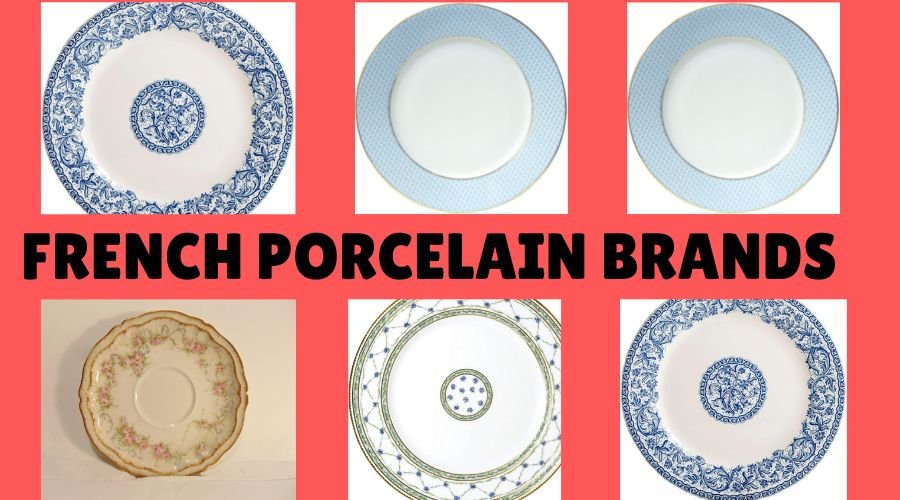
When people think of elegance at the dining table, French porcelain brands are almost always part of that conversation.
There is something about French porcelain that feels timeless, the way it catches light, holds its finish, and carries centuries of artisanal tradition in every piece.
Whether you are a collector hunting for rare Limoges pieces, a chef selecting restaurant porcelain, or a homeowner upgrading the dinner table, understanding what these brands offer helps you make a smarter, more meaningful choice.
This guide covers the best French porcelain brands, what makes them stand out, and how to find the right fit for your lifestyle.
Written by Sarah Emirone | Reviewed by James Daniels, B.Sc, Inorganic Chemist & Materials Researcher | Updated September 2026 | See How We Test | Filed under: Buying, Care & Product Guides
What Is French Porcelain?
Definition of French Porcelain
French porcelain is a high-fired ceramic material composed primarily of kaolin clay, feldspar, and quartz.
When fired at extremely high temperatures, these materials undergo vitrification, a glass-like transformation that gives porcelain its signature translucency, strength, and smooth finish.
Hard-paste porcelain, the standard used across French ceramic factories, is valued for its density and refined surface.
It differs from earthenware or stoneware in its near-white color, light transmission, and non-porous structure, making it both beautiful and practical for fine dining and decorative use.
History of French Porcelain Manufacturing
French porcelain history is deeply tied to Limoges, a city in central France, sitting above rich kaolin deposits in nearby Saint-Yrieix-la-Perche.
Once those deposits were discovered in the 18th century, Limoges became the engine of French ceramic production. Before that, French artisans experimented with soft-paste porcelain as an imitation of Chinese porcelain, which was heavily imported and admired.
The French royal court — particularly under Louis XV — commissioned elaborate pieces from what would become the Manufacture nationale de Sèvres, cementing porcelain’s role in luxury culture. That royal patronage shaped the standards French brands still uphold today.
What Makes French Porcelain Different?
French porcelain stands apart through a combination of artisan craftsmanship, precision manufacturing, and design heritage.
French artisans trained in Limoges are known for techniques like hand-painted decoration, gilding with gold leaf, underglaze and overglaze application, and detailed floral motifs drawn from Rococo and neoclassical traditions.
Beyond aesthetics, the material itself — hard-paste porcelain composed of kaolin — is fired at high temperatures for superior durability and heat resistance.
That combination of beauty and resilience is exactly why French porcelain retains global prestige in both luxury dining and the hospitality industry.
Types of French Porcelain Products
French porcelain manufacturers produce a wide range of products. Dinnerware sets are the most well-known — plates, bowls, and serving dishes designed for both everyday meals and formal occasions.
Tea services assembled into elegant collections remain iconic, especially from heritage houses like Sèvres. Oven-safe bakeware from brands like Pillivuyt brings porcelain into functional cooking.
Decorative pieces, porcelain vases, figurines, and sculptural biscuit porcelain are crafted as collectibles and display items. Hospitality tableware is another major category, with commercial-grade options built for restaurant use without sacrificing elegance.
Why French Porcelain Brands Are Highly Valued
Luxury Craftsmanship and Heritage
French luxury craftsmanship in ceramics goes back centuries, and that heritage is not just marketing — it is baked into the production process.
Brands like Bernardaud and Haviland still employ skilled decorators who hand-paint and apply gilding the same way artisans did generations ago.
French heritage brands preserve manufacturing traditions that mass production simply cannot replicate, and collectors and buyers recognize that.
The ceramic legacy of France, centered in Limoges, continues to define what luxury dinnerware means on a global scale.
Durability and Heat Resistance
Hard-paste porcelain, the type manufactured across France’s ceramic industry, is fired at temperatures exceeding 1,300°C.
That extreme heat produces a dense, vitrified material that resists chipping, thermal shock, and staining far better than softer alternatives.
Oven-safe porcelain from brands like Pillivuyt and Revol is specifically engineered for commercial kitchen demands, moving from freezer to oven without cracking.
Even decorative fine porcelain dining pieces hold up remarkably well with proper care, making them long-term investments rather than fragile luxuries.
Elegant Design and Presentation
French porcelain’s design tradition draws from Rococo ornamentation, neoclassical simplicity, and contemporary artistic collaborations. Cobalt blue painting, gold trim, and intricate floral motifs have defined French decorative arts for centuries.
Today, brands like Raynaud and Bernardaud collaborate with contemporary designers to release limited edition collections that bridge heritage and modern aesthetics.
That design range, from classic hand-painted patterns to clean minimalist lines, means French porcelain fits almost any table setting, from formal banquet halls to relaxed dinner parties.
Restaurant and Hospitality Usage
Michelin-starred restaurants and five-star hotels have long preferred French porcelain for plating and service. The reasons are practical as well as aesthetic.
Porcelain surfaces enhance food presentation through their bright white finish, while commercial-grade options offer the stackability and durability needed for high-volume service.
Brands like Apilco and Pillivuyt are especially popular in professional kitchens for their oven-safe performance and consistent sizing.
Fine dining presentation is genuinely elevated when the right porcelain is in use — chefs across France and internationally understand that.
Collectibility and Prestige
Antique French porcelain, especially authenticated Limoges and Sèvres pieces, regularly appears at auction houses like Christie’s and commands significant prices.
Porcelain marks — the backstamps manufacturers use to identify their work — are essential for authentication and add to the collectible value.
Limited edition porcelain from brands like Raynaud further drives collector interest.
The prestige associated with French porcelain is not simply about price; it reflects centuries of royal commissions, artistic tradition, and a global reputation that few other ceramic traditions can match.
Best French Porcelain Brands
Pillivuyt
Pillivuyt has been producing porcelain in France since 1818, making it one of the oldest and most respected names in French ceramics.
The brand specializes in oven-to-table porcelain pieces designed to go straight from the oven to the dining table without losing their appearance.
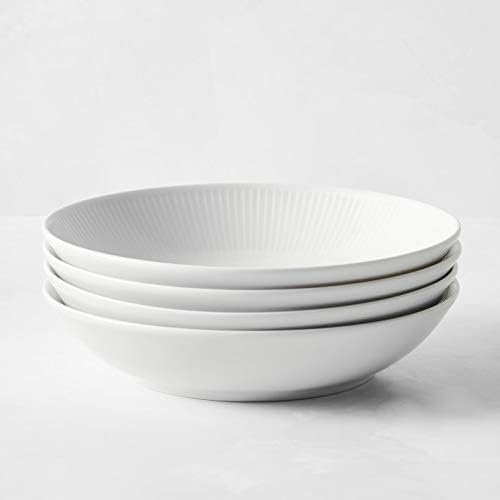
That oven-safe performance has earned Pillivuyt a strong reputation in both home kitchens and professional settings.
The porcelain is durable, dishwasher-safe, and built to withstand daily use, which makes it a practical choice for families who want quality without excessive fragility.
Apilco
Apilco is a Limoges-based brand widely recognized for its commercial-grade porcelain. It produces the heavy-duty white porcelain that fills the kitchens and dining rooms of bistros, cafes, and restaurants across France and beyond.
What Apilco does well is functional elegance — there is nothing fussy about the design, but the quality is unmistakable.
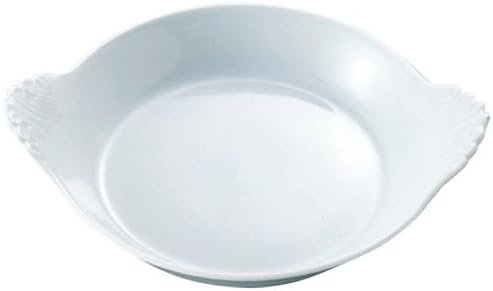
The thick-walled construction resists chipping in high-traffic environments, and the clean white finish works as a perfect canvas for food presentation.
For restaurant operators, Apilco represents reliable, professional porcelain that does not need replacing every season.
Bernardaud
Bernardaud is arguably the most internationally recognized luxury Limoges porcelain brand operating today. Founded in 1863, the company produces fine porcelain dining collections that balance traditional artisan craftsmanship with contemporary design sensibility.
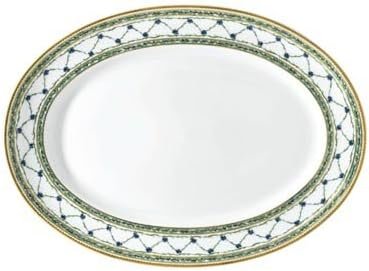
Bernardaud collaborates with artists and designers — its limited edition and artistic collections have gained attention far beyond the tableware world.
The brand exports globally and is a fixture in high-end retail, luxury hotels, and private collections.
Gold trim, refined glazing, and meticulous surface finishing define the Bernardaud aesthetic, and the brand continues to innovate through new designs and manufacturing techniques.
Haviland
Haviland & Co. has a unique history; it was founded in Limoges in the 19th century by an American businessman who wanted to supply fine porcelain to the American market.
The brand became famous for hand-decorated porcelain dinner services and is closely associated with collectible dinnerware that has passed through generations.
Haviland pieces are authenticated through porcelain marks stamped on each piece, and antique Haviland sets remain highly sought after.
The brand still manufactures in Limoges, carrying forward a heritage built on quality materials, careful decoration, and the kind of attention to detail that defines luxury tableware.
Raynaud
Raynaud is a Limoges porcelain house known for its premium artistry and luxury table settings.
The brand crafts dinnerware sets that appeal to design-forward buyers looking for something distinctive — not just classic floral patterns, but contemporary collections with bold colors and architectural forms.
Raynaud designs porcelain plates, cups, and serving pieces that feel like design objects as much as functional tableware.
The brand’s contemporary collections sit comfortably in both fine dining establishments and well-curated homes, and its limited edition releases generate consistent collector interest.
Revol
Revol focuses on culinary and bakeware porcelain with a strong emphasis on chef-preferred performance.
The brand produces oven-safe porcelain that handles extreme temperatures, making it a go-to for professional cooks who want to move between cooking and serving in the same vessel.
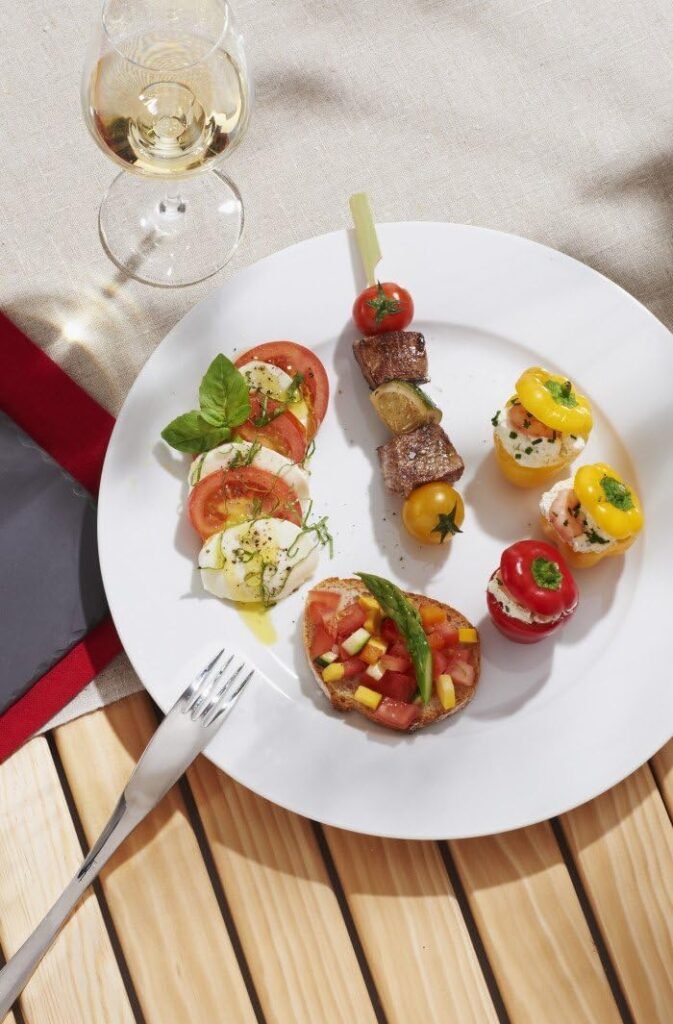
Revol’s porcelain is notably durable — it is manufactured to withstand the physical demands of commercial kitchen use, including stacking, dishwasher cycles, and thermal changes.
While less focused on decorative tradition than some Limoges brands, Revol delivers genuine functional excellence that the culinary world consistently values.
French Porcelain vs Other Types of Dinnerware
French Porcelain vs Bone China
Bone china, developed in England, includes bone ash in its composition, which gives it a warmer, creamier tone and a slightly lighter weight. French hard-paste porcelain is denser, brighter white, and generally more resistant to chipping.
Both are considered premium dinnerware, but they differ in feel and finish. Bone china tends to have a softer translucency, while French porcelain offers a crisper, more uniform appearance.
For collectors and hospitality buyers, French porcelain is typically preferred for its durability and the prestige of its manufacturing heritage.
French Porcelain vs Stoneware
Stoneware is fired at lower temperatures and retains a more rustic, casual character. It is heavier, thicker, and generally less refined in finish than French porcelain.
Stoneware works well for everyday casual dining, but it lacks the translucency and surface precision that fine porcelain dining demands.
French porcelain is significantly more heat-resistant and maintains its white color over time without the natural variations that stoneware often shows.
For formal dining or professional presentation, porcelain is the clear choice — stoneware fills a different, more relaxed niche.
French Porcelain vs Ceramic Dinnerware
The term ceramic is broad; it covers earthenware, stoneware, and porcelain. Standard ceramic dinnerware is typically earthenware, which is porous, softer, and more prone to chipping and staining.
French porcelain is a superior form of ceramic, fired at higher temperatures to achieve non-porous density and a refined finish.
In practical terms, French porcelain retains heat better, resists moisture absorption, and maintains its surface appearance far longer than basic ceramic dinnerware.
The comparison is really between a functional product and a precision-engineered one.
French Porcelain vs Fine China
Fine china is a broad category that includes porcelain from various countries, often used interchangeably with the term porcelain in everyday language.
French porcelain distinguishes itself through specific manufacturing standards, particularly the use of Limoges kaolin and the traditions of French artisan craftsmanship.
Not all fine china carries the same standards; the term can describe varying levels of quality. French porcelain from verified manufacturers with proper porcelain marks offers a level of authenticity and heritage that generic fine china labels cannot always guarantee.
Which Material Is Best for Everyday Use?
For everyday use, oven-safe porcelain from brands like Pillivuyt or Revol strikes the best balance: durable enough for daily meals, dishwasher-safe, and attractive enough to stay on the table rather than be hidden in a cupboard.
Families wanting something that handles heat, resists chipping, and looks good should lean toward commercial-style French porcelain.
For purely decorative or formal dining collections, Bernardaud or Raynaud make more sense. The choice ultimately depends on whether you prioritize daily practicality, formal elegance, or both.
Limoges Porcelain and Its Importance
What Is Limoges Porcelain?
Limoges porcelain refers to hard-paste porcelain manufactured in or around Limoges, France. The city became central to French ceramic production after kaolin deposits were discovered nearby, providing the essential white clay needed for true porcelain.
Limoges porcelain is known for its exceptional whiteness, smooth glaze, translucency, and ability to hold detailed hand-painted decoration.
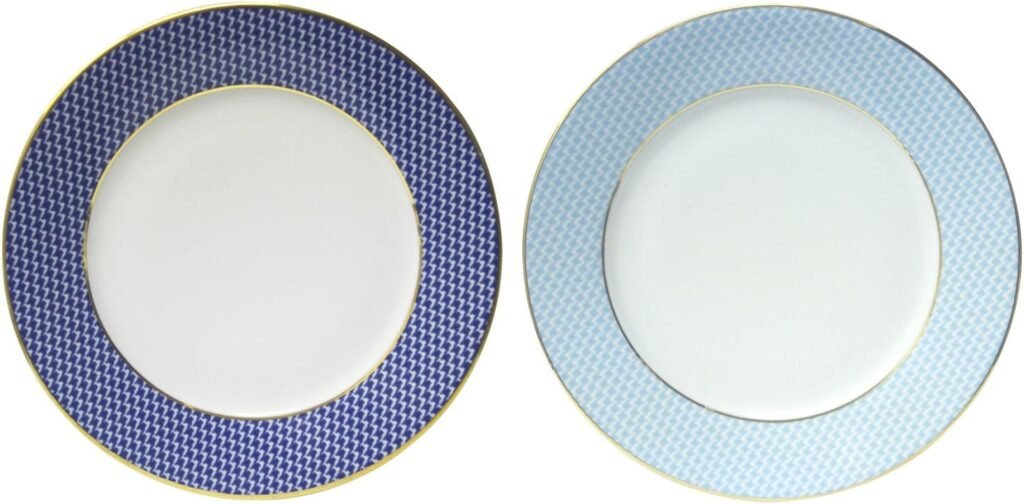
It represents the gold standard of French ceramics, and the Limoges name carries significant weight in both the luxury dinnerware market and the collectible antique porcelain world.
Why Limoges Became Famous Worldwide
Limoges earned its global reputation through consistent quality and the development of a concentrated ceramic industry that exported widely.
French ceramic exports from Limoges reached markets in the United States, Europe, and beyond throughout the 19th and 20th centuries.
Haviland & Co. played a major role in building Limoges’ American recognition by supplying decorated dinner services to wealthy households.
The combination of royal patronage, artisan skill, quality raw materials, and aggressive export made Limoges synonymous with fine porcelain on an international scale.
Limoges Manufacturing Standards
Limoges porcelain factories operate under strict standards tied to the use of local kaolin and traditional firing processes.
Pieces go through multiple firings first a biscuit fire to harden the paste, then a glaze fire, and often additional firings for overglaze decoration or gilding.
Ceramic kilns in Limoges are calibrated to achieve the vitrification temperatures required for hard-paste porcelain’s characteristic density and translucency.
These standards are what separate authentic Limoges pieces from lower-quality porcelain bearing similar-sounding names.
Famous Limoges Porcelain Brands
The most prominent Limoges porcelain brands include Bernardaud, Haviland, Raynaud, and Apilco.
Each has carved out a distinct position — Bernardaud in luxury artistic collections, Haviland in collectible heritage dinnerware, Raynaud in contemporary design, and Apilco in commercial-grade restaurant use.
Together, they represent the breadth of what Limoges ceramic production offers, from museum-quality decorative pieces to durable everyday tableware.
All share the common foundation of Limoges kaolin and the manufacturing traditions built over centuries in that region.
Authentic Limoges Markings and Identification
Authentic Limoges porcelain carries porcelain marks — backstamps that identify the manufacturer, period of production, and country of origin.
Look for marks that include the word ‘Limoges’ and ‘France’ together, as pieces marked only ‘Limoges’ without ‘France’ may predate 1891 import regulations or originate from outside France.
Haviland marks in particular are well-documented and serve as reliable authentication tools for antique collectors. Weight, glaze texture, and translucency when held to light are additional physical indicators of genuine Limoges quality versus counterfeit porcelain.
French Porcelain for Restaurants and Hospitality
Why Chefs Prefer French Porcelain
Chefs choose French porcelain because it performs as well as it looks. The bright white surface provides a neutral, elegant backdrop for food presentation, making colors and textures pop on the plate.
Oven-safe porcelain means dishes can be finished in the oven and served directly, reducing handling and temperature loss.
Brands like Apilco and Revol produce porcelain specifically tested for professional kitchen demands, and the consistency of their sizing and weight makes plating more predictable.
For Michelin-starred restaurants, the right porcelain is part of the overall dining experience.
Durability for Commercial Kitchens
Commercial kitchen environments are hard on tableware. Dishes are stacked, slid, dropped, washed hundreds of times, and exposed to dramatic temperature changes.
French porcelain, particularly hard-paste commercial-grade versions from Pillivuyt and Revol, is engineered to handle all of that.
The vitrification achieved through high-temperature firing makes these pieces chip-resistant and non-porous, so they do not absorb food odors or bacteria.
That food-safe dinnerware performance, combined with long-term durability, is why hospitality operators trust French porcelain over cheaper alternatives.
Presentation and Plating Aesthetics
Fine dining presentation depends heavily on the vessel. French porcelain’s consistent glaze, bright white finish, and refined rim profiles give chefs a reliable canvas.
The porcelain surface finish — smooth, reflective, and consistent — makes sauces and garnishes photograph beautifully, which matters enormously in the social-media-driven restaurant world.
Decorative table settings in Michelin-starred restaurants often feature custom or limited edition porcelain pieces, and brands like Bernardaud actively partner with hospitality groups to develop exclusive collections for specific venues.
Stackability and Storage Efficiency
Restaurant operations require porcelain that stacks cleanly and stores efficiently without risking damage.
French commercial porcelain brands design their pieces with these operational realities in mind — consistent base diameters, reinforced rims, and weights balanced for stable stacking.
Apilco in particular is renowned for producing pieces with exactly these properties.
Efficient storage reduces breakage rates and operational costs, which is why hospitality buyers often choose established French brands over generic alternatives that may look similar but lack the engineering precision.
Hospitality Industry Trends
The hospitality industry is currently trending toward authentic, artisanal aesthetics, and guests want to feel that the experience is curated, not generic. French porcelain fits naturally into that demand.
Boutique hotels and independent restaurants are increasingly sourcing from Limoges brands to differentiate their table settings.
At the same time, sustainability considerations are driving interest in durable, long-lasting tableware rather than cheaper pieces replaced frequently.
French porcelain’s longevity and timeless design make it well-positioned for the direction the hospitality sector is heading.
French Porcelain for Everyday Home Use
Microwave and Dishwasher Safety
Most French porcelain from established brands is microwave-safe and dishwasher-safe, provided it does not feature gold trim or metallic decoration metal and microwaves do not mix.
Plain white commercial porcelain from Pillivuyt and Apilco handles daily dishwasher cycles without degrading.
Always check manufacturer guidelines, as some hand-painted or gilded pieces from Bernardaud or Haviland require hand-washing to preserve their decorative finishes.
For families buying French porcelain as everyday tableware, the undecorated or lightly decorated collections offer the most practical, low-maintenance option.
Heat Retention and Cooking Performance
Porcelain retains heat better than thinner ceramics or glass, which means food stays warmer longer at the table.
Oven-safe porcelain from brands like Pillivuyt and Revol can go directly from oven to table, making it genuinely useful in cooking — not just serving.
The material’s density distributes heat evenly, which is particularly valuable for baked dishes and gratins. This cooking performance is one reason porcelain bakeware has grown in popularity among home cooks who want products that work in the kitchen and look good enough to serve from.
Best Brands for Families
For families, Pillivuyt and Apilco are the strongest choices. Both offer durable, oven-safe porcelain at price points that make building a full set practical. Pillivuyt’s oven-to-table collections are especially well-suited for households that cook frequently and want versatile pieces.
Revol is another strong option for families interested in bakeware that doubles as serveware.
These brands deliver the quality of French ceramics without demanding the level of care that more ornate luxury collections require, making them realistic for regular use rather than special occasions only.
Casual Dining vs Luxury Dining Collections
There is a meaningful difference between collections designed for casual daily use and those built for formal luxury dining. Pillivuyt, Apilco, and Revol sit firmly in the casual-to-commercial range — practical, durable, unfussy.
Bernardaud, Haviland, and Raynaud occupy the luxury end, with hand-decorated pieces, gold trim, and presentation-focused designs.
Many buyers end up with pieces from both categories — durable everyday sets for routine meals and a finer collection for dinner parties or special occasions. French porcelain manufacturers span that full range, so there is no shortage of options.
How to Choose the Right Collection
Start with how you actually use your dinnerware. If meals are mostly casual and the kitchen is active, prioritize oven-safe, dishwasher-safe porcelain from Pillivuyt or Revol.
If you entertain frequently and want to impress, Bernardaud or Raynaud offer collections that make a genuine statement. Budget matters, too.
Limoges luxury pieces require more investment upfront, but their durability means they last for decades.
Consider whether you want a coordinated dinnerware set or are building a collection piece by piece, and check that the brand you choose has ongoing production so patterns can be matched later.
Are French Porcelain Brands Safe?
Lead-Free and Food-Safe Standards
Reputable French porcelain manufacturers produce lead-free, food-safe dinnerware as standard.
The European market has strict regulations on lead and cadmium migration in ceramic food-contact articles, and established porcelain brands such as Bernardaud, Pillivuyt, and Haviland state that their products meet relevant safety standards or contain no detectable lead and cadmium in their tested products.
The concern about lead in ceramics applies more to unverified imports or antique pieces with older glazes, not to modern French porcelain from recognized manufacturers.
When buying new, purchasing from established brands with clear country-of-origin markings is the most reliable way to ensure food safety.
BPA-Free Dinnerware Considerations
BPA is a concern primarily in plastics, not porcelain. French porcelain does not contain BPA by nature; it is a ceramic material with no plastic components.
That said, buyers sometimes ask the question because BPA-free has become shorthand for safe materials. French porcelain is inherently free from BPA, phthalates, and similar plastic-associated chemicals.
The glazes used by French manufacturers are silica-based, non-toxic, and designed to remain stable through repeated heating and washing cycles.
FDA and European Safety Compliance
French porcelain brands that export to the United States must meet FDA standards for ceramic tableware, which include limits on cadmium and lead leaching.
European Union regulations are similarly rigorous, and French manufacturers operating in both markets are tested accordingly.
Brands like Bernardaud and Pillivuyt have long export histories and established compliance records.
When purchasing authentic French porcelain from verified retailers, safety compliance is not a significant concern the standards are well-established and consistently applied by serious manufacturers.
Non-Toxic Glazes and Manufacturing Standards
Modern French porcelain glazing uses silica-based compounds that vitrify during firing, creating a glass-like, chemically stable surface. Non-toxic glazes on French porcelain do not leach chemicals into food under normal use conditions.
The manufacturing standards across Limoges factories are closely tied to heritage quality benchmarks that have been refined over generations.
Underglaze and overglaze decoration techniques used by French artisans apply pigments that are then sealed by the glaze firing, ensuring that decorative colors do not come into direct contact with food.
How to Identify Authentic French Porcelain
Understanding Brand Markings
Porcelain marks are the most reliable tool for identifying authentic French porcelain.
Each manufacturer uses a backstamp — often printed or stamped on the base of each piece that includes the brand name, manufacturing location, and sometimes the pattern name or date code.
Learning to read these marks takes time, but reference guides and specialist dealers can help.
Marks on Haviland pieces, for example, are particularly well-documented given the brand’s long history and extensive American distribution, making them relatively straightforward to authenticate.
Limoges and Country-of-Origin Stamps
Authentic Limoges porcelain should carry both ‘Limoges’ and ‘France’ in its marking, in line with import regulations that have been in effect since 1891.
Pieces marked only with ‘Limoges’ without ‘France’ were often produced before that date, or may be from manufacturers outside France using the Limoges name loosely.
Country-of-origin stamps became legally required for imports into the United States, so pieces intended for that market from the late 19th century onward generally carry clear French markings.
Check the base carefully before purchasing antique or collectible porcelain.
Weight, Texture, and Finish Characteristics
Genuine French hard-paste porcelain has a distinct heft — it is dense without feeling thick or clunky.
The surface should feel glassy smooth under your fingers, with no visible pinholes or rough patches in the glaze. Hold a piece to light — authentic fine porcelain will show slight translucency at thin points, particularly around rims.
The glaze should have a consistent sheen without crazing (fine cracks in the glaze surface).
Uneven color, gritty texture, or visible air bubbles are signs of lower-quality production not consistent with reputable French ceramic standards.
Signs of Counterfeit Porcelain
Counterfeit porcelain bearing Limoges or French brand names is a real issue, particularly in online marketplaces.
Warning signs include vague or incomplete backstamps, unusually low prices for supposedly premium pieces, inconsistent glaze quality, and packaging that looks generic or poorly printed.
Limoges porcelain authentication requires checking marks against known reference databases, and when in doubt, buying from established retailers or directly from brand boutiques eliminates most of the risk.
Porcelain authentication through specialist dealers is worth the effort for significant collectible purchases.
Handmade vs Mass-Produced French Porcelain
Not all French porcelain is hand-crafted — the difference matters for buyers. Slip casting in ceramic molds is the standard industrial method, producing consistent shapes efficiently.
Hand-painted decoration adds significant value and is offered by brands like Bernardaud and Haviland on specific collections.
Mass-produced French porcelain, like that from Apilco, is still high quality but does not carry the premium of individually decorated pieces.
When a brand describes a collection as hand-painted, look for slight variations between pieces — those are the signature of genuine artisan work rather than machine application.
French Porcelain Brand Comparison
Best Brand for Luxury Dining
Bernardaud is the top choice for luxury dining. Its collections combine Limoges heritage with contemporary design, and the brand’s reputation in high-end retail and fine dining is unmatched among current producers.
Raynaud is a close second for buyers who want something more contemporary and design-forward.
Best Brand for Durability
Pillivuyt leads on durability for home use, while Revol is the strongest choice for high-heat cooking performance. Both are oven-safe, dishwasher-safe, and built to withstand frequent use without degrading in appearance or structural integrity.
Best Brand for Restaurants
Apilco is the most widely used French porcelain brand in professional restaurant settings. Its commercial-grade construction, consistent sizing, and clean white finish make it the practical standard for bistros and fine dining establishments alike.
Pillivuyt is also widely used in both restaurant kitchens and front-of-house service.
Best Brand for Bakeware
Revol is the clear leader in porcelain bakeware. Its pieces are engineered for cooking performance, extreme heat resistance, even heat distribution, and a finish that holds up through repeated oven cycles.
Pillivuyt’s oven-to-table line is a strong alternative for buyers who want bakeware that doubles as attractive serveware.
Best Value for Money
Apilco and Pillivuyt offer the best value for buyers who want genuine French porcelain quality without luxury pricing.
Both brands deliver durable, food-safe, professionally proven dinnerware at accessible price points, making them the practical choice for families, small restaurants, and buyers new to French ceramics.
Caring for French Porcelain
Proper Cleaning Techniques
For plain white French porcelain, dishwasher cleaning is generally safe on a normal cycle. Avoid abrasive scrubbers or harsh chemical cleaners that can scratch glazed surfaces.
Hand-painted or gilded pieces from brands like Bernardaud or Haviland should always be hand-washed in warm water with mild dish soap. Soaking is fine for most porcelain, but avoid prolonged exposure for gilded pieces, as repeated soaking can dull gold trim over time.
Rinse thoroughly and dry promptly to prevent water spotting on high-gloss surfaces.
Avoiding Chips and Cracks
Chips most commonly occur at rims during stacking or washing. Stack porcelain plates with soft cloth or foam separators between pieces to prevent rim-to-rim contact.
Avoid stacking too many pieces high; the weight compounds the risk of damage to the lower pieces. Never place porcelain directly on metal racks without protection.
Thermal shock is another cause of cracking. Avoid moving porcelain abruptly from extreme cold to extreme heat unless the piece is specifically rated as oven-safe by the manufacturer.
Safe Storage Practices
Store porcelain in a cool, stable environment away from direct sunlight, which can fade decorative finishes over time. Use padded dividers or soft liners in storage drawers and cabinets to prevent pieces from knocking against each other.
Collectible pieces, antique Haviland or Limoges figurines, are better stored in display cases where they are protected from physical contact and dust accumulation.
Wrap individual pieces in acid-free tissue paper for long-term storage to protect both the glaze and any applied decoration.
Maintaining Decorative Finishes
Gold trim and hand-painted enamel decoration require the most care. Never put gold-trimmed pieces in a microwave, and limit dishwasher exposure; hand-washing is preferable for anything with metallic decoration.
Polish gold trim occasionally with a soft dry cloth to maintain its luster. Overglaze decoration, where pigment is applied over the glaze and fired again, is durable but can be scratched by abrasive cleaning tools.
Treat decorated French porcelain as you would fine jewelry with regular, gentle care rather than neglect followed by aggressive cleaning.
Long-Term Care for Collectible Pieces
Collectible French porcelain, particularly antique Sèvres, Haviland, or Limoges figurines, benefits from periodic professional assessment.
Ceramic restoration specialists can address hairline cracks, restore gilding, and stabilize delicate pieces before damage progresses.
Museums that preserve French ceramic collections use archival storage techniques that home collectors can adapt: controlled humidity, acid-free packaging, and minimal handling.
For pieces held as investments, document everything: photographs, provenance records, porcelain marks — as this documentation supports value at auction or private sale.
Common Myths About French Porcelain
“Porcelain Is Too Fragile for Everyday Use”
This myth persists because people associate porcelain with delicate antique display pieces. Modern French porcelain from brands like Pillivuyt, Apilco, and Revol is specifically manufactured for daily use — it is oven-safe, dishwasher-safe, and chip-resistant.
Commercial-grade porcelain used in busy restaurants takes far more physical stress than a home kitchen ever produces.
The fragility association applies more to very fine decorative pieces than to the full range of French porcelain production.
“All French Porcelain Is Extremely Expensive”
Cost varies enormously across French porcelain brands. Apilco bistro plates, for example, are very reasonably priced and widely available.
Pillivuyt’s everyday collections are accessible to most household budgets. It is the luxury end — Bernardaud artistic collections, antique
Haviland sets, or Sèvres pieces, command premium prices. French porcelain exists at multiple price points, and buyers who do their research can find genuine quality without paying luxury prices.
“Luxury Dinnerware Cannot Be Practical.”
Luxury and practicality are not mutually exclusive in French porcelain. Bernardaud and Raynaud produce beautiful collections that are also dishwasher-safe and built to last.
The difference is that luxury pieces require slightly more attentive care — particularly around decorated finishes. But a well-maintained Bernardaud dinner service can serve a family beautifully for decades while holding or increasing its value.
That kind of longevity is itself a form of practicality that cheaper alternatives simply cannot offer.
“French Porcelain Is Only for Formal Dining”
French porcelain fits every context, from a quick weekday breakfast to a formal dinner party. Commercial porcelain from Apilco is specifically designed for the informal, high-volume environment of a French bistro; nothing formal about that.
Many home cooks use Pillivuyt bakeware daily for roasting and baking. The range across French porcelain brands covers casual, everyday, professional, and formal use equally well.
The formal dining association is a cultural perception, not a manufacturing reality.
Frequently Asked Questions (FAQ)
What Is the Most Famous French Porcelain Brand?
Sèvres, as the historic royal manufactory, holds the greatest historical prestige. Among currently active commercial brands, Bernardaud is the most internationally recognized, followed closely by Haviland and Raynaud in luxury and collectible categories.
Is French Porcelain Better Than Bone China?
Both are premium options, but they differ in character. French hard-paste porcelain is denser, brighter white, and more chip-resistant.
Bone china is lighter with a warmer tone. For durability and a crisper aesthetic, French porcelain tends to perform better.
For a softer, more delicate look, bone china has its appeal. Neither is objectively superior it depends on what you value.
Are French Porcelain Dishes Microwave Safe?
Most plain white French porcelain is microwave-safe. Pieces with gold trim or metallic decoration should never go in a microwave. Always check the manufacturer’s guidelines for the specific collection you own, particularly for hand-painted or gilded pieces from luxury brands.
What Is Limoges Porcelain?
Limoges porcelain is hard-paste porcelain manufactured in or around Limoges, France, using local kaolin clay.
It represents the highest standard of French ceramic production and is recognized globally for its quality, whiteness, and association with both luxury dining and collectible art.
Which French Porcelain Brand Is Best for Restaurants?
Apilco is the most widely used in professional settings for its commercial-grade durability and consistent sizing. Pillivuyt and Revol are strong alternatives, particularly for kitchens that need oven-safe performance alongside front-of-house presentation.
Is French Porcelain Worth the Price?
For most buyers, yes. Even mid-range French porcelain from Pillivuyt or Apilco outperforms cheaper alternatives in durability and longevity. Luxury pieces from Bernardaud or Haviland hold value over time and can be passed down.
The cost-per-use calculation almost always favors quality French porcelain over cheaper dinnerware that needs replacing more frequently.
Conclusion
French porcelain brands represent something rare in the modern market, a category where heritage, craftsmanship, and genuine performance have survived together.
From the kaolin-rich workshops of Limoges to the artistic collaborations of Bernardaud and the commercial precision of Apilco, French ceramics deliver value that goes beyond aesthetics.
Whether the piece in question is a restaurant plate, a family heirloom, or a collectible acquisition, the quality embedded in French porcelain manufacturing is real, measurable, and lasting.
Choose your French porcelain based on how you actually live and dine. Verify authenticity through porcelain marks and country-of-origin stamps before committing to a significant purchase.
Invest in brands with proven manufacturing standards, whether that means Pillivuyt for practical daily use or Bernardaud for a collection you intend to pass down.
French porcelain is one of the few categories where buying well the first time truly pays off in durability, in beauty, and in the quiet satisfaction of owning something made with genuine care.
About the Author & Reviewer
Sarah Emirone, Author
Sarah researches and writes SafeKitchn’s dinnerware and kitchenware guides, with a focus on material safety, lead content, and manufacturer specifications. She cross-references product data sheets, safety certifications, and regulatory filings (including FDA and Prop 65 records) before publishing, and updates articles when new information becomes available.
James Daniels, Reviewer
James reviews SafeKitchn’s material safety content for scientific accuracy. He holds a B.Sc in inorganic chemistry and works as a materials researcher, with particular focus on the composition and safety behavior of glass, ceramic, and metal used in kitchenware.