

Walk into any kitchen, whether it’s a home setup or a professional chef’s kitchen, and one thing is always present: cookware. But what is cookware, exactly, and why does it matter so much?
Many people use the term loosely, sometimes confusing it with bakeware or kitchen utensils. As consumer interest in healthy cooking grows and more people pay attention to durable, food-safe cookware materials, knowing what you’re actually buying has never been more important.
This guide breaks it all down, clearly types, materials, safety, compatibility, and how to choose what works best for you.
Written by Sarah Emirone | Reviewed by James Daniels, B.Sc, Inorganic Chemist & Materials Researcher | Updated September 2026 | See How We Test | Filed under: Cookware Materials
What Is Cookware?
Definition of Cookware
Cookware refers to the collection of pots, pans, and cooking vessels used to prepare food by applying heat. These are the tools that sit directly on your stovetop, get placed in your oven, or work with modern appliances like induction cooktops.
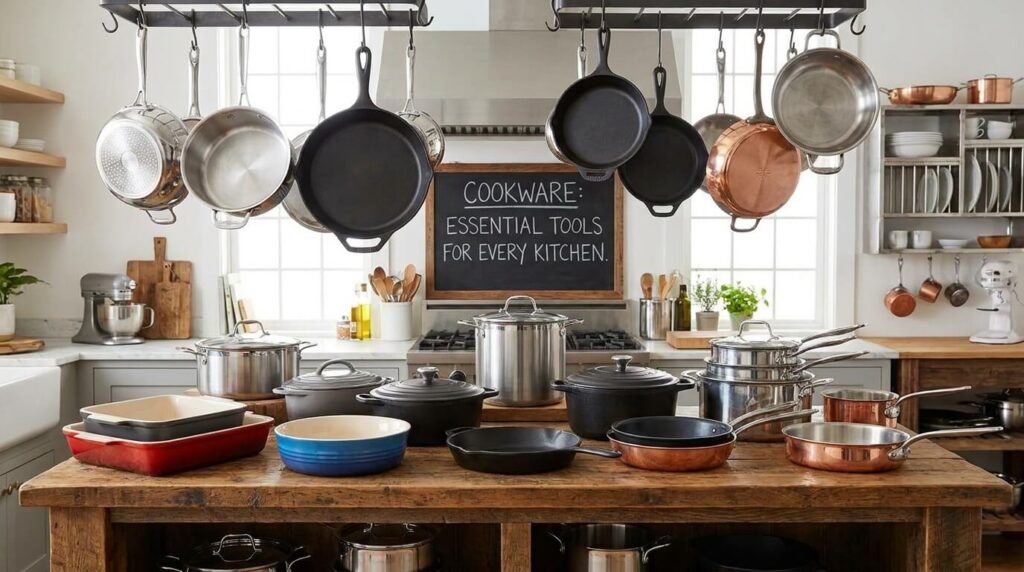
From a basic saucepan to a heavy Dutch oven, cookware is what bridges raw ingredients and a finished meal.
It’s categorized as kitchen cookware when it’s designed specifically for heating food, as opposed to tools used purely for serving or prep work. In short, if it touches heat and food at the same time, it’s cookware.
Difference Between Cookware and Bakeware
Cookware and bakeware are often lumped together, but they serve different purposes. Cookware is used primarily on stovetops or over open heat sources — think frying pans, stockpots, and saucepans.
Bakeware, on the other hand, is designed for the oven and includes items like cake pans, muffin tins, and baking sheets. While some pieces, like a Dutch oven, cross over and work in both environments, bakeware is generally not designed for stovetop use.
The key distinction is the heat source and cooking method involved.
Difference Between Cookware and Kitchen Utensils
Kitchen utensils are handheld tools used during cooking — spatulas, ladles, whisks, and tongs. They assist in the cooking process but don’t apply or retain heat themselves.
Cookware, by contrast, is what sits on the heat source and holds the food being cooked. Utensils work with cookware; they aren’t a replacement for it.
So while a spatula flips your eggs, the frying pan is what actually cooks them. Both are part of a well-stocked kitchen, but they belong to different categories of kitchen cookware.
Common Items Considered Cookware
The cookware category includes a wide range of vessels used for different cooking techniques. The most common examples include:
- Frying pans and skillets — used for sautéing, frying, and searing
- Saucepans — ideal for boiling, simmering, and making sauces
- Stockpots — large pots designed for soups, broths, and pasta
- Dutch ovens — heavy, versatile vessels for braising and slow cooking
- Woks — round-bottomed pans built for high-heat stir-frying
Main Types of Cookware
Frying Pans and Skillets
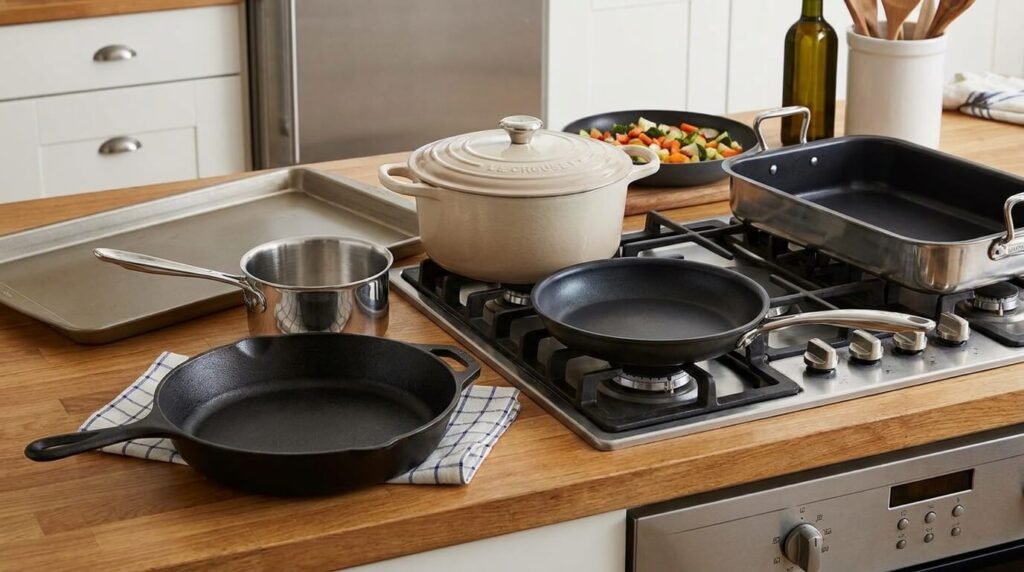
Frying pans and skillets are among the most-used pieces of kitchen cookware. A frying pan has a flat bottom and slightly flared sides, making it easy to flip food. Skillets are similar but typically have slightly more sloped sides.
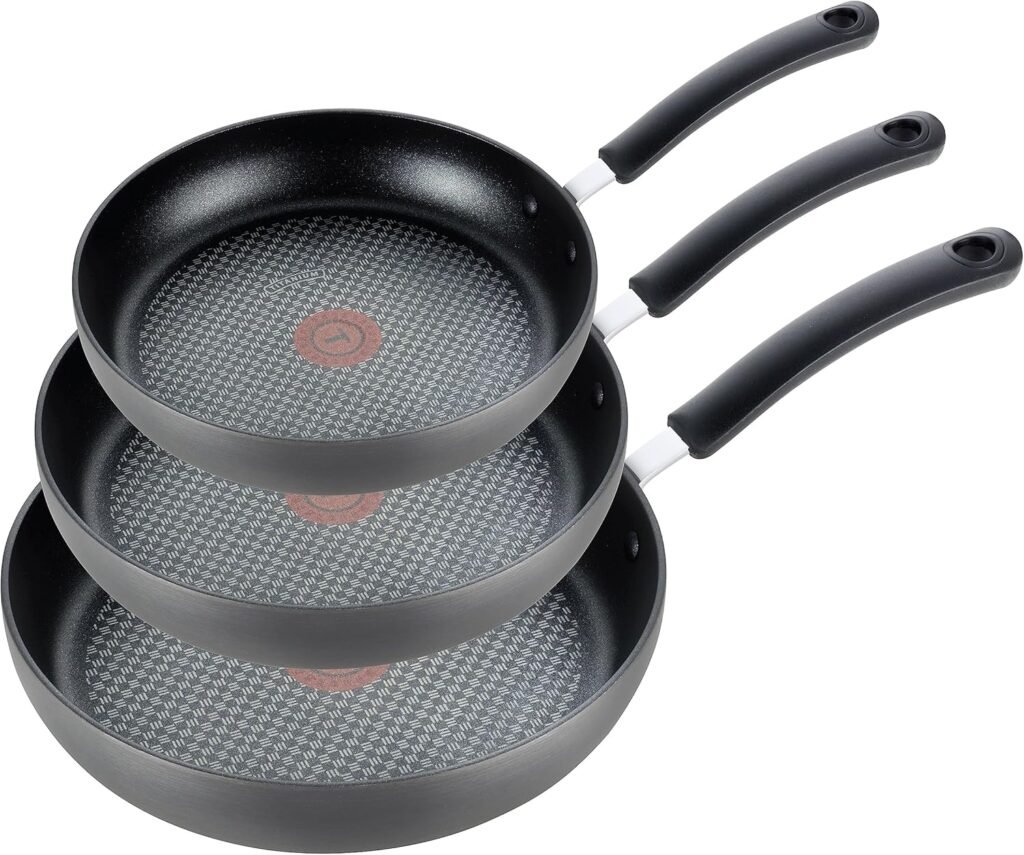
Both are used for frying, sautéing, browning, and searing. They work on gas stoves, electric ranges, and, depending on the material, induction cooktops.
Cast iron skillets are especially popular for their heat retention and ability to go from stovetop to oven.
Saucepans
A saucepan is a deep, round pot with a long handle and usually comes with a lid. It’s designed for boiling liquids, simmering sauces, cooking grains, and reheating soups.
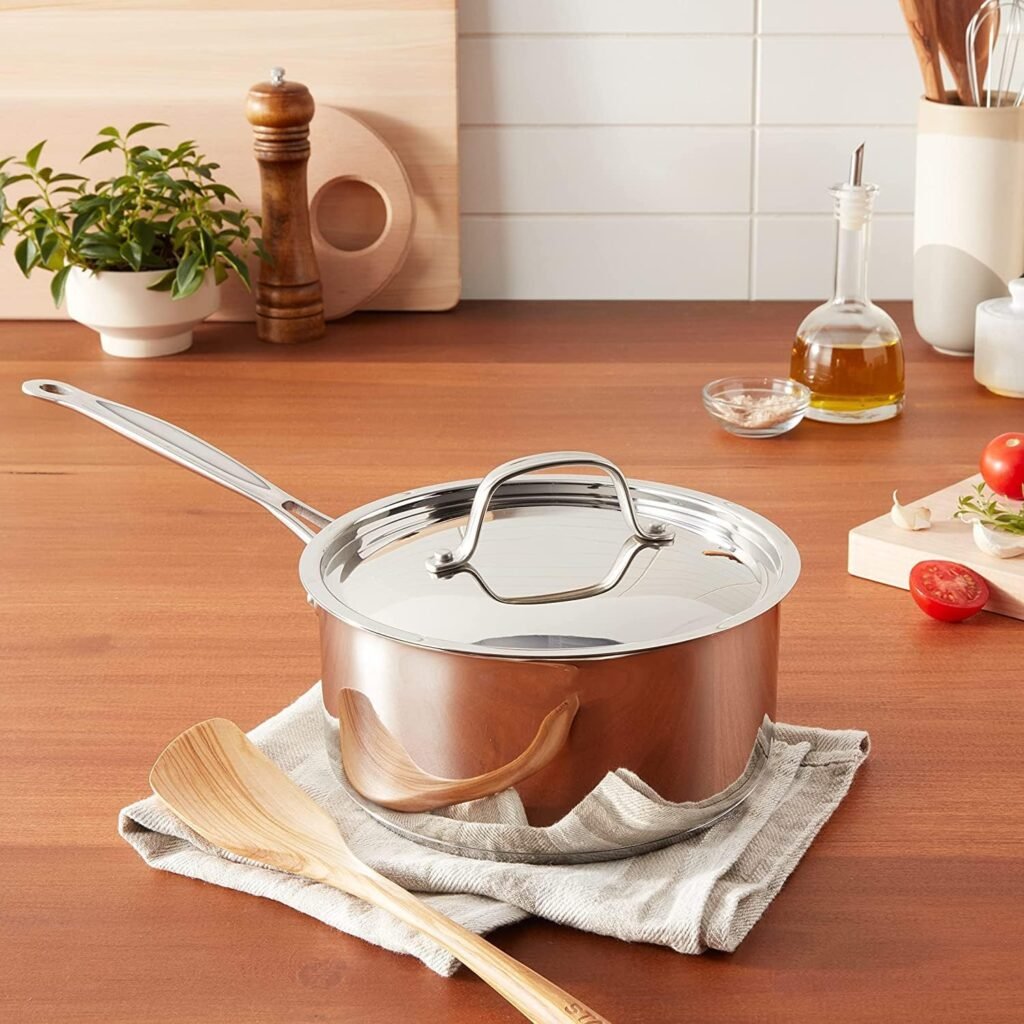
Saucepans come in various sizes and materials, with stainless steel cookware being a top choice for its durability and non-reactive surface.
For everyday home cooking, a 2- to 3-quart saucepan covers most tasks. Brands like All-Clad are known for producing professional-grade saucepans built for precise heat control.
Stockpots
A stockpot is a large, deep cooking vessel used for making broths, soups, boiling pasta, and cooking large quantities of food. It’s one of the biggest pieces in a cookware set and is built to handle high volumes of liquid over extended cooking times.
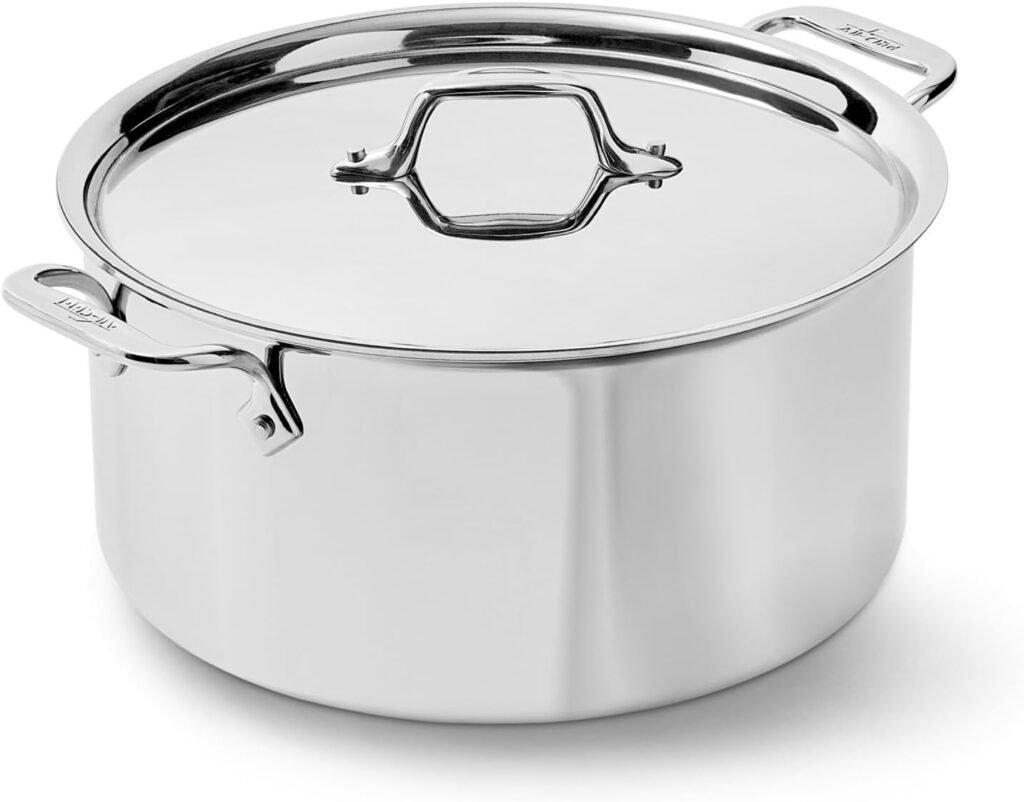
Stockpots are typically made from stainless steel or aluminum for quick, even heating. If you cook for large groups or love homemade stocks and soups, a stockpot is a non-negotiable part of your kitchen cookware lineup.
Dutch Ovens
The Dutch oven is one of the most versatile pieces of cookware available. It’s a heavy, thick-walled pot — usually made from cast iron or enamel-coated cast iron that retains heat exceptionally well.
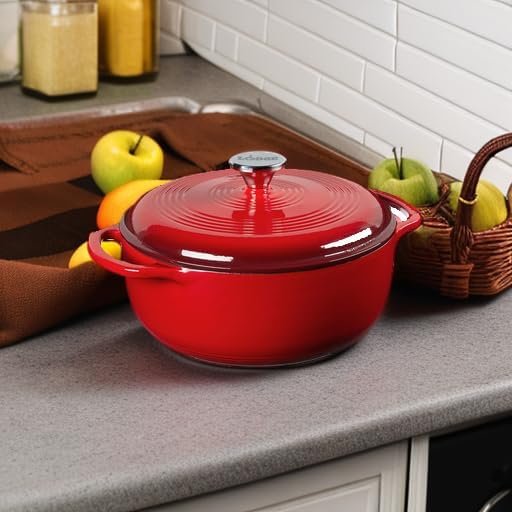
Dutch ovens are used for braising meats, making stews, slow-cooking, and even baking bread. Le Creuset is one of the most recognized names in Dutch ovens, known for its enamel-coated cast iron that combines durability with aesthetic appeal.
A quality Dutch oven can last decades with proper care.
Woks and Sauté Pans
A wok is a wide, round-bottomed pan rooted in Asian cooking traditions. It supports high-heat stir-frying and facilitates quick cooking by distributing heat from the bottom up the curved sides.
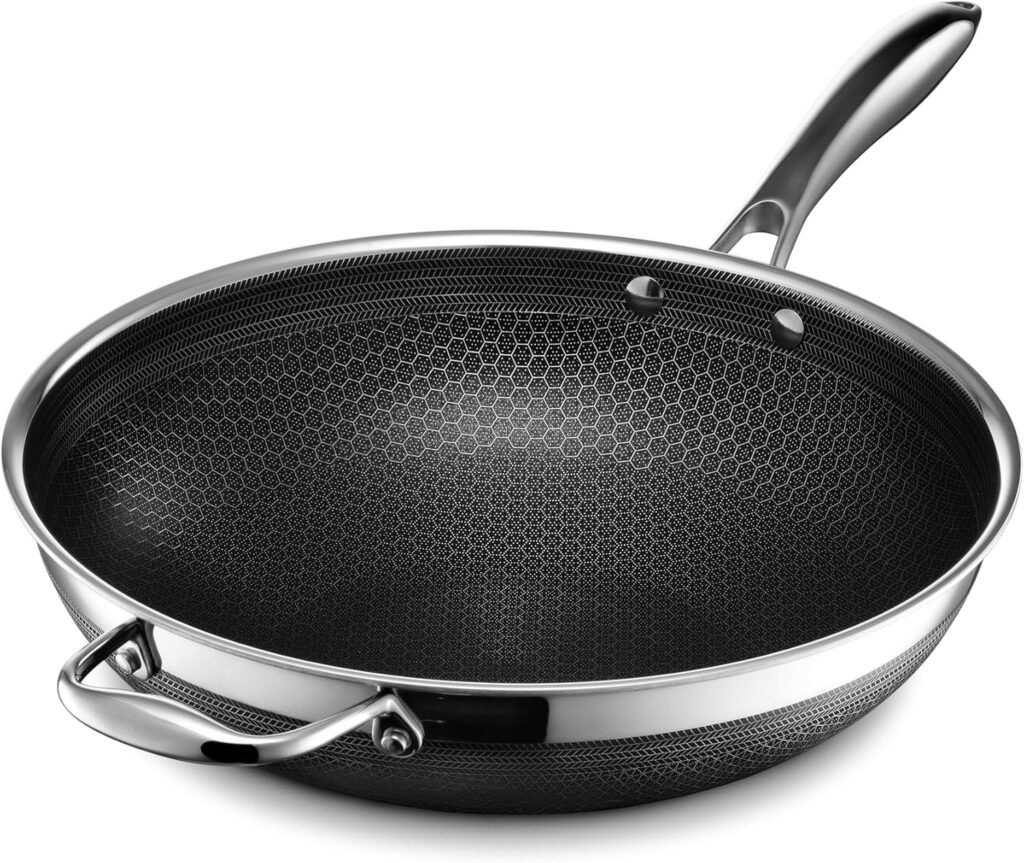
Carbon steel woks, like those from De Buyer, season over time and become naturally nonstick with use.
A sauté pan, by contrast, has straight, tall sides and a flat bottom better for browning, simmering, and cooking with sauces. Both are valuable additions to a complete cookware collection.
Grill Pans and Specialty Cookware
Grill pans are ridged pans designed to mimic the results of outdoor grilling indoors. They create sear marks and allow fat to drain away from food, making them great for meats and vegetables.
Beyond grill pans, specialty cookware includes items like paella pans for Spanish rice dishes, tagines for Moroccan slow cooking, and bamboo steamers for healthy, traditional steaming.
These pieces serve specific culinary purposes and reflect diverse international cooking traditions.
Common Cookware Materials
Stainless Steel Cookware
Stainless steel cookware is one of the most widely used options in both home and professional kitchens. It’s durable, resistant to rust and corrosion, and doesn’t react with acidic foods.
Brands like All-Clad produce fully clad stainless steel pans with aluminum or copper cores, which dramatically improve heat distribution.
While stainless steel on its own isn’t the best heat conductor, multi-ply and tri-ply constructions solve that problem. It’s also dishwasher-safe in most cases, making maintenance straightforward.
Nonstick Cookware
Nonstick cookware is coated with materials that prevent food from sticking to the surface, making cooking and cleanup significantly easier.
The most common coating is PTFE — often recognized by the brand name Teflon — while ceramic nonstick coatings offer a mineral-based alternative. Brands like T-fal and GreenPan lead in this category.
Nonstick cookware is ideal for eggs, fish, and delicate foods. However, the coating can degrade over time if exposed to high heat or abrasive cleaning tools, so proper care is essential.
Cast Iron Cookware
Cast iron cookware has been around for centuries, and for good reason. It offers exceptional heat retention, making it ideal for searing, frying, and slow cooking. Once properly seasoned, cast iron becomes naturally nonstick and improves with use.
Lodge is the most well-known cast iron brand, offering durable skillets and Dutch ovens at accessible price points. Cast iron is oven-safe to very high temperatures and can last a lifetime when properly maintained.
Its main downside is weight — it’s significantly heavier than other cookware materials.
Aluminum Cookware
Aluminum cookware is lightweight and conducts heat quickly and efficiently, making it a popular choice for everyday cooking.
Brands like Calphalon are known for their hard-anodized aluminum cookware, which strengthens the surface through an electrochemical treatment and increases resistance to scratches and wear.
While bare aluminum can react with acidic foods, hard-anodized or coated versions eliminate that concern. Aluminum cookware is generally more affordable than stainless steel or copper, making it a solid budget-friendly option.
Copper Cookware
Copper cookware offers the highest thermal conductivity of any common cookware material. It heats up almost instantly and cools down just as quickly, giving cooks exceptional control over temperature.
This is why copper is the preferred choice in many professional kitchens and among gourmet cooking enthusiasts. Mauviel is a leading name in copper cookware.
The downside is that copper requires regular maintenance to prevent tarnishing and is typically lined with stainless steel or tin to avoid reactivity with food.
Ceramic and Enamel Cookware
Ceramic cookware uses a mineral-based coating that is free from PTFE and PFOA, making it a popular non-toxic cookware option.
GreenPan pioneered ceramic nonstick cookware and markets its products as eco-friendly alternatives.
Enamel-coated cookware, like that from Le Creuset, features a glass-like glaze over metal, usually cast iron, that protects the surface and adds visual appeal.
Both ceramic and enamel options are easy to clean, resistant to rust, and available in a range of colors that enhance kitchen aesthetics.
Related: Is Cookware Made in China Safe?
Which Cookware Material Is Best?
Best for Everyday Cooking
For most home cooks, stainless steel cookware with an aluminum or copper core hits the sweet spot between durability and performance. It handles everything from sautéing vegetables to simmering sauces without reacting with food.
It’s also low maintenance and dishwasher-safe. A good stainless steel skillet or saucepan will hold up for years under regular use, making it the most practical everyday choice for kitchen cookware.
Best for Heat Retention
When heat retention is the priority — for braising, slow cooking, or keeping food warm — cast iron is unmatched.
A cast-iron skillet or Dutch oven holds heat long after it’s removed from the stove, which is exactly what you need for dishes that require consistent, steady temperatures.
Lodge cast-iron cookware is a reliable, affordable option that performs at the level of far more expensive alternatives.
Best Nonstick Performance
For nonstick performance, ceramic nonstick cookware has become increasingly popular as a safer, PFOA-free alternative to traditional PTFE coatings.
Brands like GreenPan deliver solid nonstick results without the concerns associated with overheated synthetic coatings.
That said, a well-seasoned cast iron skillet also delivers excellent nonstick performance naturally, without any coating at all — making it a long-term investment worth considering.
Best Professional Cookware
Professional chefs tend to gravitate toward stainless steel and copper cookware for the control and precision they offer.
All-Clad’s multi-ply stainless steel pans are a staple in restaurant kitchens for their even heat distribution and durability.
Copper cookware from brands like Mauviel is also common in professional settings where precise temperature management is critical.
Carbon steel pans are another professional favorite used widely in European kitchens for searing and high-heat cooking.
Best Budget-Friendly Option
Aluminum cookware and basic nonstick pans offer the best value at lower price points. Calphalon’s hard-anodized aluminum line provides solid cooking performance without breaking the bank.
For those on a tighter budget, a set from T-fal covers everyday cooking needs at an accessible cost. The key is balancing affordability with quality.
Cheap thin pans warp easily, so look for solid construction even in the lower price range.
Related: Cookware not made in China.
Cookware Safety
Food-Safe Cookware Materials
Not all cookware materials are created equal when it comes to food safety. The U.S. Food and Drug Administration sets standards for food-grade materials, and reputable cookware brands comply with these guidelines.
Stainless steel, cast iron, ceramic, and glass cookware are all considered food-safe when manufactured to standard.
The concern typically arises with coatings and finishes, especially in lower-quality products that may leach chemicals at high temperatures.
PFOA-Free and PTFE Concerns
PTFE, commonly known as Teflon, is the synthetic fluoropolymer coating used in most traditional nonstick cookware.
On its own, PTFE is considered stable and safe at normal cooking temperatures. The concern was historically with PFOA — a chemical once used in the manufacturing process that has been linked to health risks.
Today, most modern cookware brands produce PFOA-free cookware, meaning that this specific chemical is no longer used in production.
Overheating nonstick pans above 500°F (260°C) can still degrade the coating, so cooking on medium heat is recommended.
Non-Toxic Cookware Options
For those wanting to avoid synthetic coatings entirely, there are several non-toxic cookware options worth considering.
Ceramic cookware from brands like GreenPan uses a mineral-based coating that’s free from PTFE and PFOA. Stainless steel cookware with no additional coating is naturally non-toxic and non-reactive.
Cast iron — when properly seasoned — is also a completely chemical-free option. Glass cookware like Pyrex is another non-toxic choice, especially for baking and reheating.
Lead and Heavy Metal Concerns
Some older or low-quality ceramic and enamel cookware may contain traces of lead or cadmium in their glazes, particularly items imported without FDA compliance certification.
To avoid this, always buy from established cookware brands and look for products certified as food-safe.
Modern, reputable ceramic and enamel-coated cookware from brands like Le Creuset and GreenPan undergoes rigorous testing and does not present heavy metal concerns under normal use.
To find out how to test your cookware easily, read our guide on testing cookware for heavy metals and lead at home.
Safe Cooking Temperatures
Every cookware material has a temperature range it performs best in — and a limit beyond which it becomes problematic. Nonstick pans should stay below 500°F.
Cast iron and stainless steel can handle much higher temperatures without issue, making them better suited for high-heat searing.
Oven-safe cookware is typically rated for temperatures between 400°F and 500°F, though cast iron and some stainless steel pieces can handle even more. Always check manufacturer guidelines for maximum safe temperatures.
Cookware Compatibility With Heat Sources
Gas Stove Compatibility
Most cookware types work well on gas stoves. Cast iron, stainless steel, carbon steel, and aluminum all handle open gas flames without issue.
The direct, responsive heat of a gas stove is well-suited to cookware that requires precise temperature control, like copper or stainless steel pans.
One thing to note: very lightweight or thin pans can warp if exposed to high direct flames, so a heavier-gauge cookware is preferable for gas cooking.
Electric Stove Compatibility
Electric stoves, including glass-top and coil models, work best with flat-bottomed cookware that maintains full contact with the heating element.
Warped or rounded pans will heat unevenly on electric ranges. Stainless steel and hard-anodized aluminum cookware perform well on electric stovetops.
Cast iron works fine, but should be handled carefully on glass-top ranges to avoid scratching the surface. Always lift rather than slide cookware on glass-top electric stoves.
Induction Cookware Requirements
Induction cooking uses electromagnetic energy to heat cookware directly, which means only magnetic materials will work.
Induction cookware must be made from or contain a magnetic metal, typically stainless steel with a magnetic base or cast iron.
Aluminum, copper, and glass don’t work on induction cooktops unless they have a magnetic layer bonded to the base. When buying for an induction stove, look for cookware specifically labeled as induction-compatible.
Most quality stainless steel cookware today is designed to support induction cooking.
Oven-Safe Cookware
Oven-safe cookware can handle the enclosed dry heat of an oven, a key feature for dishes that start on the stovetop and finish in the oven.
Dutch ovens, roasting pans, cast iron skillets, and most stainless steel cookware fall into this category.
The oven-safety limit varies by material and handle type — silicone or stainless steel handles are usually oven-safe, while plastic handles are not.
Always confirm the oven-safe temperature rating before putting any piece of cookware in the oven.
Dishwasher and Microwave Considerations
Not all cookware is dishwasher-safe. Nonstick coatings can degrade in dishwashers over time, and cast iron should never go in one. Stainless steel cookware is generally dishwasher-safe, but handwashing extends its life.
As for microwaves, only microwave-safe cookware, typically glass-like Pyrex or certain ceramic pieces, should be used. Metal cookware of any kind should never go in a microwave.
Always check labels before assuming a piece of cookware is safe for dishwasher or microwave use.
How to Choose the Right Cookware
Consider Cooking Style
Your cooking habits should drive your cookware choices. If you fry and sauté frequently, a quality nonstick or stainless steel frying pan is essential.
If you slow-cook stews or braise meats, a Dutch oven is worth the investment. For high-heat stir-frying, a carbon steel wok delivers results that few other pans can match.
Think about the meals you make most often and build your cookware collection around those techniques.
Evaluate Durability and Maintenance
Different cookware materials require different levels of care. Cast iron needs to be seasoned and dried thoroughly after washing. Nonstick pans need gentle handling to protect their coatings.
Copper requires occasional polishing. Stainless steel is the most forgiving in terms of maintenance. Be honest about how much time you’re willing to invest in upkeep, and choose materials that align with your lifestyle.
Cooking durability and ease of care are both important long-term factors.
Weight and Ease of Handling
Cookware weight is a practical consideration that’s often overlooked. Cast iron is heavy and can be difficult to maneuver, especially for those with wrist or joint issues.
Aluminum and nonstick pans are much lighter and easier to handle during everyday cooking. Kitchen ergonomics matter; cookware that’s uncomfortable to use will end up sitting in a cabinet.
Look for heat-resistant handles and well-balanced designs that make cooking feel effortless rather than exhausting.
Heat Conductivity and Cooking Performance
Heat conductivity determines how quickly and evenly cookware heats up. Copper offers the highest thermal conductivity, followed by aluminum.
Stainless steel on its own is a poor conductor, which is why cladded cookware — with an aluminum or copper core — is a better choice for even heat distribution.
Cast iron heats slowly but retains that heat exceptionally well. Understanding the relationship between material and heat performance helps you make smarter decisions about which cookware suits specific cooking tasks.
Choosing the Right Cookware Set
A cookware set is a cost-effective way to build a collection of matching, coordinated pieces. Most sets include a frying pan, saucepan, and stockpot as core items.
Higher-end sets from brands like All-Clad add sauté pans, lids, and specialty pieces. Before buying a set, make sure the materials work with your heat source, especially if you cook on an induction cooktop.
A well-chosen cookware set can cover the majority of everyday cooking needs without requiring multiple separate purchases.
Cookware vs Bakeware
Cooking Methods Comparison
Cookware is used for stovetop techniques like frying, sautéing, boiling, simmering, and searing. Bakeware is designed for oven methods such as baking, roasting, and broiling.
The primary difference lies in the heat source and cooking approach. Cookware interacts with direct flame or element heat, while bakeware is built for the enclosed, dry heat of an oven environment.
Material Differences
Most bakeware is made from glass, ceramic, stoneware, or coated metal materials that withstand oven temperatures but aren’t designed for stovetop use.
Cookware uses metals like stainless steel, cast iron, aluminum, and copper that can handle direct heat sources.
Some materials, like cast iron and certain stainless steel pieces, are oven-safe, making them functional for both categories.
Oven Use vs Stovetop Use
While many pieces of cookware are oven-safe, not all bakeware can be used on a stovetop. A casserole dish or glass baking pan would crack or shatter on an electric coil or gas flame.
The distinction matters when following recipes that require transferring cookware from stovetop to oven; you need a piece that’s rated for both environments, like a Dutch oven or an oven-safe stainless steel pan.
Common Bakeware Examples
Common bakeware items include cake pans, muffin tins, loaf pans, cookie sheets, and casserole dishes. Brands like Pyrex and CorningWare are well-known in the bakeware category.
These items are categorized separately from cookware because they’re designed solely for oven use. Stoneware baking dishes retain heat well and are popular for casseroles and roasted dishes.
How Long Does Cookware Last?
Lifespan of Stainless Steel
High-quality stainless steel cookware can last 20 to 30 years or more with proper care. Its corrosion resistance and durable construction make it one of the longest-lasting cookware materials available.
Brands like All-Clad back their products with lifetime warranties, a reflection of how confident they are in the material’s longevity. Avoiding harsh abrasives and dishwasher cycles extends the lifespan even further.
Lifespan of Nonstick Coatings
Nonstick coatings have a shorter lifespan than the pans themselves — typically three to five years with regular use. The coating degrades when exposed to high heat, metal utensils, or harsh dishwasher cycles.
Using silicone or wooden utensils and handwashing nonstick pans significantly extends their useful life. Once the coating starts flaking or peeling, it’s time to replace the pan regardless of how the rest of it looks.
Cast Iron Longevity
Cast iron cookware is essentially lifetime cookware when properly maintained. Pieces from Lodge and other reputable brands are passed down through generations without losing performance.
The key is preventing rust through regular seasoning and thorough drying after washing. A well-maintained cast-iron skillet only gets better with age. The seasoning builds up over time, improving the cooking surface naturally.
Signs Cookware Should Be Replaced
Knowing when to replace cookware is just as important as choosing the right piece.
Signs include: flaking or bubbling nonstick coatings, deep scratches in the cooking surface, warping that causes uneven heating, rust that doesn’t respond to re-seasoning on cast iron, and handles that have become loose or broken.
Using damaged cookware can affect cooking performance and, in some cases, food safety.
Cleaning and Maintaining Cookware
Proper Cleaning Methods
The right cleaning method depends on the cookware material.
Stainless steel can handle a thorough scrub with a non-abrasive pad and dish soap. Nonstick cookware should be washed gently by hand with warm, soapy water, never with steel wool.
Cast iron should be rinsed with hot water, scrubbed lightly, dried immediately, and given a light coat of oil before storage. Copper cookware benefits from specialized copper cleaners to maintain its appearance.
Preventing Scratches and Warping
Scratches happen when metal utensils are used on nonstick or ceramic surfaces.
Always opt for silicone, wood, or nylon tools. Warping occurs when cookware is exposed to sudden temperature changes, like running a hot pan under cold water.
Let the cookware cool down before washing. For stainless steel, avoid high dishwasher heat settings that can dull the finish over time. Simple habits like these preserve cooking performance for years.
Seasoning Cast Iron
Seasoning cast iron is the process of baking a thin layer of oil into the surface to create a natural, protective nonstick layer.
To season, apply a very thin coat of flaxseed or vegetable oil to the entire surface and bake it upside down in the oven at around 450°F to 500°F for an hour.
Repeat this process several times for a well-established seasoning. Lodge cookware comes pre-seasoned, but additional seasoning over time strengthens the surface. A well-seasoned skillet resists rust and improves with every use.
Storing Cookware Correctly
How you store cookware affects its longevity. Stacking pans without protection can lead to scratches. Use pan protectors or soft cloths between pieces.
Hanging cookware on a pot rack keeps it accessible and prevents damage from stacking.
Cast iron should be stored in a dry environment to prevent rust. Lids should be stored separately or alongside pans rather than tightly sealed on top, which can trap moisture and cause odors.
Common Myths About Cookware
“Expensive Cookware Is Always Better”
Price doesn’t always equal performance. While premium brands like All-Clad and Mauviel deliver exceptional quality, there are plenty of mid-range options — like Lodge for cast iron or Calphalon for aluminum — that perform excellently for everyday cooking.
What matters most is the material quality, construction thickness, and compatibility with your heat source.
An expensive pan used incorrectly will underperform a well-maintained budget pan every time.
“Nonstick Cookware Is Unsafe”
The nonstick-is-dangerous claim is largely outdated. Modern PFOA-free nonstick cookware from reputable brands is considered safe for normal cooking use.
The original concern was with PFOA, a chemical used in older manufacturing processes, which has since been phased out. PTFE itself is stable at normal cooking temperatures.
As long as you avoid overheating nonstick pans and replace them when the coating shows wear, they are a perfectly safe and practical cooking option.
“Cast Iron Is Hard to Maintain”
Cast iron has a reputation for being high-maintenance, but that’s mostly myth. The care it requires is simple: dry it thoroughly after washing, give it an occasional light oil coating, and avoid leaving it wet.
Once a cast-iron skillet is well-seasoned, it’s one of the most low-maintenance pieces in your kitchen.
The extra minute of care pays off with decades of reliable performance and a cooking surface that keeps improving over time.
“All Stainless Steel Cookware Performs the Same”
Not all stainless steel cookware is equal. The key difference lies in construction. Fully clad multi-ply or tri-ply stainless steel, where aluminum or copper is bonded through the entire pan, distributes heat far more evenly than single-ply stainless steel with just a disc at the bottom.
Budget stainless steel pans often create hot spots that burn food unevenly. Investing in properly constructed stainless steel cookware makes a noticeable difference in cooking results.
Conclusion
Cookware is much more than just pots and pans; it’s the foundation of every meal you prepare. Understanding what cookware is, how different materials behave, and what each piece is designed to do gives you real control over your cooking results.
From a basic frying pan to a seasoned cast-iron Dutch oven, every piece serves a purpose and performs best when matched to the right cooking method and heat source.
Key Takeaways
Different cookware materials suit different cooking needs; there’s no single best option for everyone. Stainless steel offers durability and versatility. Cast iron provides unmatched heat retention.
Nonstick cookware simplifies delicate cooking tasks. Ceramic cookware supports a non-toxic kitchen. Safety, durability, and heat performance should always be the top priorities when evaluating any kitchen cookware purchase.
Final Recommendation
Choose cookware based on how you actually cook, what heat source you use, and how much maintenance you’re willing to do. Prioritize food-safe, durable materials from trusted brands.
Invest in a few versatile, well-made pieces rather than a large set of low-quality options. The right cookware doesn’t just make cooking easier; it makes your food taste better and keeps your kitchen running smoothly for years to come.
About the Author & Reviewer
Sarah Emirone, Author
Sarah researches and writes SafeKitchn’s dinnerware and kitchenware guides, with a focus on material safety, lead content, and manufacturer specifications. She cross-references product data sheets, safety certifications, and regulatory filings (including FDA and Prop 65 records) before publishing, and updates articles when new information becomes available.
James Daniels, Reviewer
James reviews SafeKitchn’s material safety content for scientific accuracy. He holds a B.Sc in inorganic chemistry and works as a materials researcher, with particular focus on the composition and safety behavior of glass, ceramic, and metal used in kitchenware.