

Picture this: you’re hosting your first proper dinner party, and as you reach for those wedding gift wine glasses tucked away in the cupboard, you pause. Are these actually crystals?
What’s the difference between crystal and regular glass anyway? And why does your grandmother’s sherry set seem to sing when you tap it gently?
If you’ve ever found yourself mesmerised by the way light dances through a beautifully crafted crystal tumbler, or wondered why some glassware feels so much more substantial in your hand, you’re not alone.
The world of crystal glassware is far more intricate and fascinating than most people realise—a realm where centuries-old craftsmanship meets modern innovation, where the choice between lead crystal and unleaded varieties can dramatically affect both your drinking experience and your bank balance.
But here’s what most people don’t know about the crystal glassware sitting in their own homes.
Written by Sarah Emirone | Reviewed by James Daniels, B.Sc, Inorganic Chemist & Materials Researcher | Updated September 2026 | See How We Test | Filed under: Buying, Care & Product Guides
Understanding Crystal Glassware: More Than Just Fancy Glass
Before we dive into the specific types of crystal glassware, let’s address the elephant in the room: what exactly makes crystal different from ordinary glass? The answer lies in its composition and the artistry behind its creation.
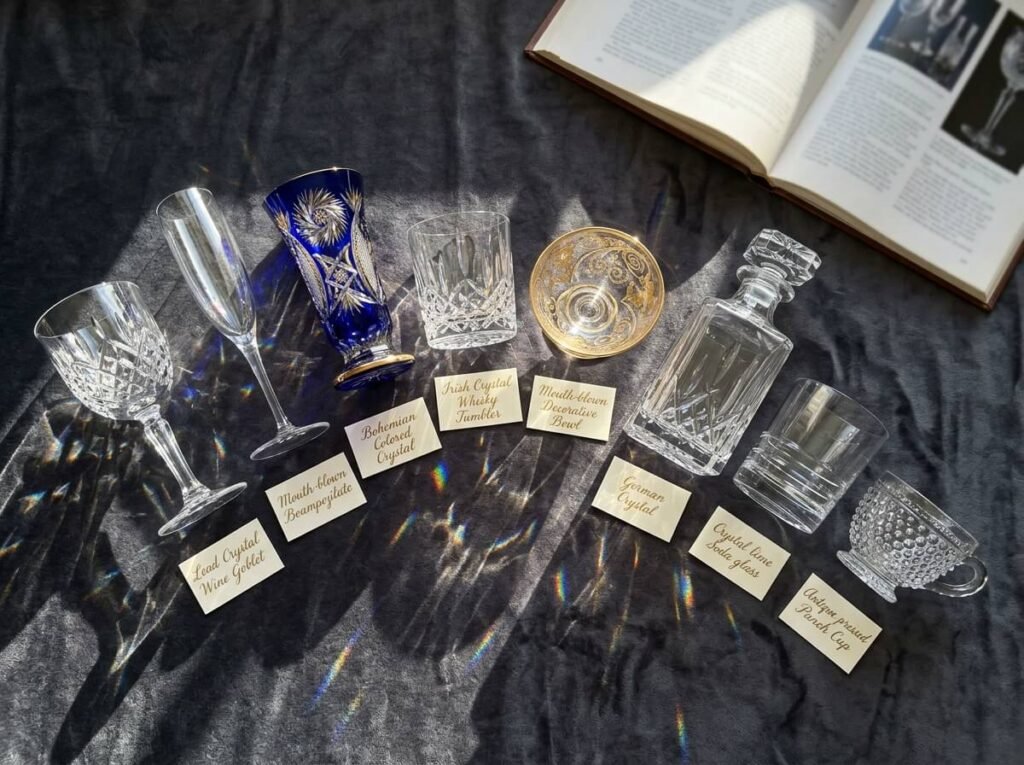
True crystal glassware contains lead oxide, typically ranging from 10% to 30%, which gives it several distinctive characteristics. This lead content increases the glass’s density, making it feel notably heavier in your hand.
More importantly, it enhances the material’s optical properties, creating that brilliant sparkle and clarity that makes crystal so captivating.
However, the crystal landscape has evolved significantly. Modern manufacturers now produce lead-free crystal alternatives that maintain many of the crystal’s desirable properties without the health concerns associated with lead.
These pieces often contain potassium or barium instead, achieving similar brilliance and durability.
The distinction matters more than you might think. Traditional lead crystal offers superior light refraction which is why your grandmother’s decanter creates those stunning rainbow patterns when sunlight hits it just right.
Lead-free alternatives, while lacking some of this optical drama, provide peace of mind for daily use and are often more affordable.
The Magnificent Seven: Essential Types of Crystal Glassware
1. Wine Glasses: The Crown Jewels of Crystal Collections
Bordeaux glasses feature tall, broad bowls perfect for full-bodied reds like Cabernet Sauvignon and Merlot. The generous space allows the wine to breathe, while the tapered rim concentrates the aromatic compounds toward your nose.
Premium crystal versions from houses like Riedel or Waterford can cost upwards of £50 per glass, but the difference in your wine’s presentation is remarkable.
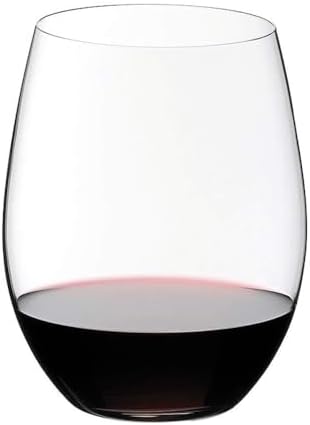
- Crystal
- This set contains 4 pieces O Wine Tumbler Cabernet/Merlot
- These functional glasses showcase the majestically structured red wines in all their complexity and finesse
Burgundy glasses, with their balloon-like bowls, cater to more delicate reds like Pinot Noir. The wider opening allows these subtle wines to express their complex bouquet fully.
Meanwhile, Champagne flutes maintain their narrow profile to preserve effervescence, though many experts now prefer slightly wider bowls that allow sparkling wines to develop their full aromatic potential.
| Wine Glass Type | Bowl Shape | Best For | Price Range (Premium Crystal) |
|---|---|---|---|
| Bordeaux | Tall, broad | Cabernet, Merlot | £40-80 per glass |
| Burgundy | Wide, balloon-shaped | Pinot Noir, light reds | £45-90 per glass |
| Champagne Flute | Narrow, tall | Sparkling wines | £35-70 per glass |
| White Wine | Medium bowl | Chardonnay, Sauvignon Blanc | £30-60 per glass |
2. Whisky Tumblers: Where Craft Meets Tradition
The crystal whisky tumbler occupies a special place in British drinking culture. These short, wide glasses—often called old-fashioned glasses or rocks glasses—are designed with both aesthetics and function in mind.
Traditional cut crystal tumblers feature intricate patterns that aren’t merely decorative. The cuts create additional surface area, helping to aerate the whisky and release its complex aromatics.
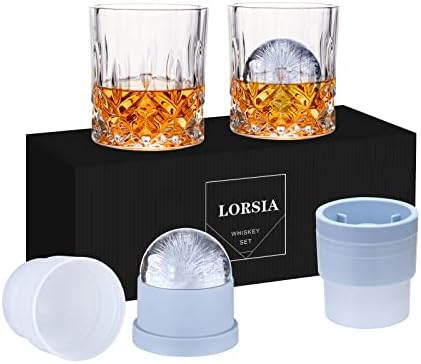
- Unique sculpted crystal glasses with substantial feel and timeless design, perfect for sipping bourbon or scotch
- Heavy crystal construction provides durability and dishwasher safety
- Patent pending ice ball molds create large 2 in spheres easily without leaks or spills
The weight of quality crystal also provides a satisfying heft that enhances the drinking ritual.
Modern crystal manufacturers like Glencairn have revolutionised whisky appreciation with their tulip-shaped tasting glasses.
While not traditional tumblers, these crystal pieces concentrate the whisky’s nose while the narrow opening prevents alcohol burn from overwhelming the palate.
Hand-blown crystal tumblers represent the pinnacle of the craft. Each piece is unique, with slight variations that remind you of the human artisan behind its creation.
These pieces often feature thicker bases for stability and temperature retention—crucial when you’re savoring a 25-year-old single malt.
3. Decanters: Functional Art for Your Sideboard
Crystal decanters serve dual purposes: practical wine or spirits storage and stunning decorative elements. The decanting process itself serves different functions depending on what you’re storing.
For wine, decanting separates the liquid from sediment while allowing oxygen contact to soften tannins and open up flavours.

- ●【High-quality Glass Material】: Our Clear whiskey decanter set with glasses are made of stylish lead-free Czech high tra…
- ●【Multi-use Whiskey Glassware】: This crystal whiskey decanter set is suitable for Whiskey, Bourbon, Scotch, Vodka and ot…
- ●【Delicate Carving Design】: The liquor decanter and whiskey glasses are designed by classic diamond carving technology. …
Wine decanters typically feature wide bases and narrow necks, maximising surface area for optimal aeration. Crystal versions excel here because the material’s clarity allows you to observe the wine’s colour development as it breathes.
Whisky decanters serve different purposes entirely. Here, you’re showcasing and preserving your spirits while adding elegance to your home bar.
The airtight seal becomes crucial—poorly sealed decanters can lead to alcohol evaporation and flavor degradation over time.
Vintage crystal decanters often feature elaborate cut patterns that create stunning light displays. However, be cautious with antique pieces containing high lead content—they’re magnificent for display but not ideal for long-term spirits storage.
4. Champagne Coupes: Vintage Glamour Reimagined
The crystal champagne coupe represents one of glassware’s most romantic stories. Legend suggests these wide, shallow bowls were modelled after Marie Antoinette’s breast, though this tale is likely apocryphal.
What’s certain is that coupes defined elegant entertaining throughout the early 20th century.
Modern sommeliers often dismiss coupes as impractical—their wide openings allow bubbles to dissipate quickly. However, crystal coupes have found new life in cocktail culture.

- Baccarat Crystal Massena Champagne Coupe, Clear – Set of 2
Their generous bowls perfectly accommodate champagne cocktails, while their elegant stems add theatrical flair to your drinks service.
Hand-blown crystal coupes offer particular appeal because each piece’s slight variations create unique drinking experiences.
The thin crystal rim enhances the drinking sensation, while the material’s brilliance showcases the drink’s colour beautifully.
5. Brandy Snifters: Engineering Meets Elegance
Crystal Brandy Snifters represent some of the most thoughtfully designed glassware ever created. Their distinctive balloon shape isn’t mere aesthetics—it’s precision engineering designed to enhance brandy’s complex character.
The wide bowl allows you to swirl the brandy, releasing volatile compounds while the narrow rim concentrates these aromatics.

- 【Hourglass Curved】Inspired by the natural elegance of female silhouette, DUJUST Snifter glass redefines drinking wine w…
- 【Made of Superior Crystal, Both Enjoyment of Visual and Taste】Crafted from superior crystal, these glasses offer a uniqu…
- 【Focus on Details for Your Better Feelings】The luxury brandy glasses feel smooth and advanced. The line is perfectly cur…
Quality crystal versions feature thick bases that warm the brandy through hand contact, while the material’s thermal properties prevent rapid temperature changes.
Premium crystal snifters often feature subtle cut work around the base, creating visual interest without compromising function.
The finest examples, from houses like Baccarat or Saint-Louis, can cost several hundred pounds but transform brandy appreciation into a multisensory experience.
6. Crystal Vases: Beyond Floral Arrangements
While not technically drinkware, crystal vases deserve mention in any comprehensive crystal discussion. These pieces showcase crystals’ optical properties better than any other form, creating stunning light displays that transform any room.
Cut crystal vases feature geometric patterns that multiply and refract light, creating rainbow effects throughout your space. The weight and clarity of quality crystal make these pieces conversation starters even when empty.

- MADE IN CZECH REPUBLIC
- BOHEMIAN CRYSTAL GLASS
- LEAD-FREE CRYSTAL
Modern blown crystal vases often emphasise organic forms, celebrating the material’s ability to capture and enhance natural light. These pieces work as standalone sculptures, proving that crystals’ beauty extends far beyond the dining room.
7. Specialty Crystal Pieces: The Connoisseur’s Collection
Beyond standard categories lie numerous specialty crystal pieces designed for specific purposes.
Crystal beer glasses designed for particular styles—think wheat beer glasses with their distinctive curved shapes—enhance beer appreciation similarly to wine glasses.
Crystal cocktail glasses, from martini glasses to Nick & Nora coupes, bring elegance to mixology. The material’s clarity showcases cocktail colours while its weight adds sophistication to the drinking experience.
Lead Crystal vs Lead-Free: Making the Right Choice
The lead crystal versus lead-free crystal debate continues to divide enthusiasts. Traditional lead crystal offers superior optical properties—that brilliant sparkle and rainbow refraction that makes crystal so captivating.
The lead content also makes the glass softer, allowing for more intricate cut work and engraving.
However, health concerns about lead leaching have driven innovation in lead-free alternatives. Modern lead-free crystal uses potassium, barium, or other compounds to achieve similar properties.
While these alternatives may lack some of lead crystal’s optical drama, they’re completely safe for daily use and often more durable.
Professional sommeliers increasingly favour lead-free options for restaurants and tasting rooms, while collectors often prefer traditional lead crystal for special occasions and display pieces.
Crystal Care: Preserving Your Investment
Proper crystal glassware care ensures your pieces maintain their brilliance for generations. Hand washing remains the gold standard—dishwashers’ high temperatures and harsh detergents can cloud crystal permanently.
Use lukewarm water and mild washing-up liquid, avoiding abrasive sponges that might scratch the surface. For cut crystal pieces, use a soft brush to clean intricate patterns where dirt can accumulate.
Storage matters equally. Wrap pieces individually in soft cloth, avoiding newspaper, which can leave ink stains. Display pieces away from direct sunlight to prevent cloudiness over time.
Choosing Your Crystal: A Buyer’s Guide
When selecting crystal glassware for your home, consider both function and aesthetic appeal. Start with basics—wine glasses appropriate for your drinking preferences, whisky tumblers if you enjoy spirits, and perhaps a decanter for special occasions.
Budget considerations vary enormously. Quality crystal from established manufacturers starts around £30-50 per piece for basic designs, while hand-blown or heavily cut pieces can cost several hundred pounds each.
Vintage pieces offer excellent value, though ensure they’re lead-free if you plan regular use.
Consider your lifestyle too. Daily entertainers might prefer durable, lead-free crystal, while collectors might gravitate toward traditional lead crystal for its superior optical properties.
The Future of Crystal Glassware
The crystal industry continues evolving, embracing both tradition and innovation. Modern manufacturers experiment with new compositions, achieving crystal-like properties without lead, while traditional houses maintain centuries-old techniques.
Sustainability concerns drive innovation, too. Some manufacturers now offer crystal made from recycled glass, maintaining quality while reducing environmental impact.
Regional Styles and Renowned Manufacturers
European crystal traditions vary significantly by region. Bohemian crystal from the Czech Republic emphasises elaborate cut work and vibrant colours, while Irish crystal like Waterford focuses on precision cutting and clarity.
French crystal houses like Baccarat and Saint-Louis represent luxury’s pinnacle, creating pieces that function as investment art. Their crystal often features subtle colours and exceptional optical clarity.
German manufacturers like Schott balance traditional craftsmanship with modern innovation, producing both traditional lead crystal and cutting-edge lead-free alternatives.
Collecting and Investment Potential
Crystal collecting has gained popularity as both a hobby and an investment. Vintage pieces from renowned manufacturers often appreciate significantly, particularly limited editions or discontinued patterns.
However, collect for enjoyment first. The most valuable crystal collections reflect personal taste and actual use rather than pure investment strategy. After all, a crystal’s true value lies in the pleasure it brings to your daily life.
Conclusion: Elevating Every Occasion
Understanding the various types of crystal glassware transforms you from a casual drinker to an informed enthusiast. Whether you’re drawn to the prismatic beauty of cut crystal tumblers, the elegant functionality of wine glasses, or the theatrical presence of decanters, each piece serves a purpose beyond mere function.
Crystal glassware represents centuries of human craftsmanship, scientific innovation, and artistic expression. In our increasingly digital world, these tangible objects connect us to traditions spanning generations while elevating everyday moments into special occasions.
Your journey into crystal appreciation needn’t begin with expensive purchases. Start with a single quality piece—perhaps a wine glass suited to your favorite vintage or a whisky tumbler for evening relaxation.
Experience how crystal transforms the simple act of drinking into something more mindful and pleasurable.
Ready to begin your crystal collection? Visit your local crystal specialist to experience these pieces firsthand—photographs can’t capture crystal’s true brilliance. Hold different pieces, observe how light plays through various cuts and patterns, and discover which styles speak to your personal aesthetic.
What’s your favorite type of crystal glassware? Share your experiences and recommendations in the comments below, and don’t forget to subscribe for more insights into the world of fine glassware and elegant entertaining.
About the Author & Reviewer
Sarah Emirone, Author
Sarah researches and writes SafeKitchn’s dinnerware and kitchenware guides, with a focus on material safety, lead content, and manufacturer specifications. She cross-references product data sheets, safety certifications, and regulatory filings (including FDA and Prop 65 records) before publishing, and updates articles when new information becomes available.
James Daniels, Reviewer
James reviews SafeKitchn’s material safety content for scientific accuracy. He holds a B.Sc in inorganic chemistry and works as a materials researcher, with particular focus on the composition and safety behavior of glass, ceramic, and metal used in kitchenware.