

Most china dinnerware is microwave safe, but the answer changes significantly depending on which type you own.
Is China microwave safe? It is a question with three distinct answers: yes for most modern bone china and porcelain without metallic decoration; no for any piece with gold, silver, or platinum trim; and a more serious no for vintage or antique china made before 1971, where lead in the glaze creates a compounding safety risk that heat specifically accelerates.
This guide covers all three scenarios with the regulatory data and testing steps you need to make a confident, informed decision about your specific pieces.
Written by Sarah Emirone | Reviewed by James Daniels, B.Sc, Inorganic Chemist & Materials Researcher | Updated September 2026 | See How We Test | Filed under: Buying, Care & Product Guides
How Microwaves Interact With China — Why the Material Matters
Understanding why some china is microwave safe, and some is not, starts with how microwave energy interacts with materials. Microwaves heat food by exciting water molecules, not by heating the dish itself.
A material that does not absorb microwave energy will stay relatively cool while the food heats — that is the definition of microwave-safe behaviour in dinnerware.
Why Bone China and Porcelain Are Generally Microwave-Friendly
Bone china and porcelain are fired at extremely high temperatures — up to 1350°C for bone china — which produces a dense, vitrified, non-porous body.
Because of this dense structure, the material contains very little residual moisture and does not strongly absorb microwave radiation. The result is that the dish warms mainly from heat transfer from the food itself, not from absorbing the microwaves directly.


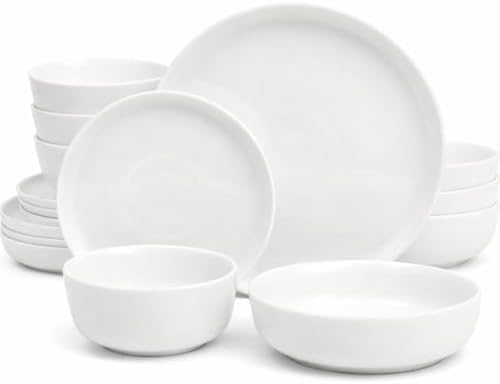
Key properties that make modern bone china and porcelain microwave-compatible:
- Non-porous body: High-temperature firing seals the clay body, leaving no moisture pathways that would allow microwave energy to be absorbed into the material itself.
- No metal content in the base material: Pure bone china (bone ash, kaolin, feldspar) and porcelain (kaolin, feldspar, quartz) contain no metallic components in their base composition, so they do not generate the arcing that metals produce.
- High thermal resistance: Both materials resist cracking under the moderate temperature changes typical of microwave reheating — it is the decoration on the base material, not the material itself, that determines microwave safety.
What Happens When China Gets Hot in the Microwave — Thermal Shock Explained
Thermal shock is the cracking or fracturing of a ceramic caused by a sudden, large temperature change — not by microwave energy itself.
If you take a cold china plate directly from the freezer and place it in a running microwave, the rapid temperature differential stresses the material and can cause cracking.

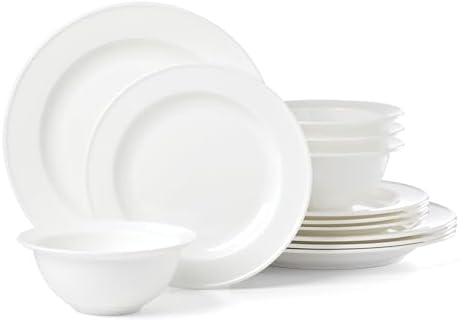
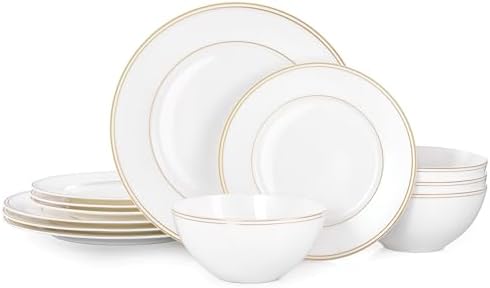
This is a care issue, not a material safety issue. Modern bone china is actually more resistant to thermal shock than standard ceramic because bone ash increases the material’s toughness.
The practical rule is simple: bring refrigerated china to room temperature before microwaving, and never transfer frozen china directly to any heat source.
Does bone china get hot in the microwave?
High-quality bone china stays cool or only slightly warm in the microwave because its dense, non-porous body does not strongly absorb microwave energy.
If your bone china dish becomes noticeably hot while the food inside is only lukewarm, the piece may have a porous or degraded glaze that is absorbing energy and should not be used in the microwave.
Which Types of China Are Microwave Safe? A Full Comparison
The microwave safety of your dinnerware depends on the specific material it is made from, not just the general category of “china.” The table below provides a complete reference for the five main types, with the exact condition that changes the verdict for each.
China Type by Microwave Safety — Bone China, Porcelain, Stoneware, Earthenware
For full material differences between the main types, see our full comparison of bone china vs porcelain.
| China Type | Microwave Safe? | Condition That Changes the Verdict | Reason | Brand Examples |
|---|---|---|---|---|
| Bone China | ✅ Yes | Gold, platinum, or metallic gilding present → ❌ No | Bone ash + kaolin body is non-absorptive of microwave energy; stays cool while food heats | Lenox, Mikasa, Royal Doulton |
| Fine China | ✅ Yes | Metallic glaze or over-glaze decoration → ❌ No | Dense clay body passes microwave energy through to food without absorbing it | Wedgwood, Noritake, Spode |
| Porcelain | ✅ Yes | Metallic decoration or pre-1971 manufacture → ❌ No | Kaolin + feldspar composition is non-reactive to microwave radiation | Pfaltzgraff, modern restaurant-grade sets |
| Stoneware | ⚠️ Usually yes — check label | Thick, unglazed, or porous stoneware → ❌ No | Some stoneware absorbs heat unevenly depending on glaze density and firing temperature | Le Creuset, Denby |
| Earthenware | ❌ No | No condition changes this verdict | Porous body absorbs microwave energy, heats unevenly, and is prone to cracking under thermal stress | Terracotta, unglazed pottery, rustic ceramics |
For glass-based dinnerware like Corelle, see our separate explainer on whether Corelle Vitrelle glass is microwave safe.
Gold Trim, Metallic Glaze, and Platinum Accents — Why They Cause Sparking
Never microwave china with gold, silver, or platinum decoration — even a thin rim line is enough to cause arcing. When metallic particles are present on or near the dish surface, microwave energy induces electrical currents in the metal.
These currents concentrate at edges and fine points, generating sparks that can damage both the dish and the microwave interior, and in sustained exposure can start a fire.
Visual signs that your china contains metallic decoration that makes it unsafe to microwave:
- A shiny gold, silver, or platinum band running along the rim or edge of the plate or cup.
- Metallic paint is used in floral patterns, lettering, or geometric designs anywhere on the piece.
- A reflective lustre glaze across the surface — some decorative lustreware contains fine metallic particles dispersed through the glaze.
- Raised metallic lines or embossed patterns with a shiny, metallic sheen when viewed in direct light.
- Any decoration that appears to sit on top of the glaze surface rather than being integrated into it is common in traditional gilded china.
If any of these features are present, the piece should be used for serving only and never placed in the microwave.
Is Vintage or Antique China Microwave Safe? The Lead Risk Explained
Vintage china is not microwave safe, and the reason goes beyond the general caution most articles mention.
The specific problem is that heat accelerates lead leaching from glazes, and vintage china was manufactured during a period when no federal limits on lead in dinnerware glazes existed at all.
Microwaving vintage china compounds that risk directly.
FDA Lead Limits in Dinnerware — What the Regulations Actually Say
The FDA’s enforcement of lead limits in ceramics has a specific, documentable history that determines how much protection your china has based on when it was made.
| Year | Regulatory Change | What It Means for Your China |
|---|---|---|
| Pre-1971 | No federal limits on lead in dinnerware glazes | China made before this date was manufactured with no upper legal limit on lead content — assume lead is present until tested |
| 1971 | FDA first enforces leachable lead limits in ceramics | Flatware (plates, saucers): max 3.0 µg/mL leachable lead; cups and mugs: max 0.5 µg/mL |
| 1978 | Stricter limits introduced | Acceptable leachable lead concentrations lowered across all dinnerware categories |
| 1991–present | Further tightening; lead-free glazes now standard among US manufacturers | Modern US-manufactured china is generally lead-free, but this is not legally mandated outside California |
If your china predates 1971, assume lead is present in the glaze until you have it professionally tested.
Decorative plates not intended for food service are not subject to FDA leachable lead limits at all, which means some imported decorative china may have no regulatory protection regardless of the manufacturing date.
For the full breakdown of which vintage patterns have tested positive, see our complete guide to lead in vintage dinnerware.
Why Microwaving Vintage China Is a Dual Risk — Heat Plus Lead Leaching
Vintage china presents two simultaneous hazards in the microwave that no other appliance combines in the same way. First, microwave heat accelerates the rate at which lead leaches from degraded or aged glazes into food.
Second, the foods most commonly reheated in a microwave, such as soups, sauces, and leftovers with tomato or citrus, are acidic, and acidity is independently documented to increase lead leaching rate.
Together, heat and acid applied to a lead-glazed surface produce a significantly higher leaching risk than either factor alone.
Specific conditions that amplify the lead leaching risk when microwaving vintage china:
- High-acid foods: Tomato sauce, citrus juice, vinegar-based dishes, and wine-based reductions accelerate lead release from glaze surfaces even before heat is added.
- Crazed or damaged glazes: A crazed glaze exposes more surface area and provides pathways for lead to migrate into food.
- Over-glaze decoration: Designs painted on top of the glaze rather than fired beneath it are more vulnerable to degradation under heat.
- Long reheating times: Extended microwave sessions maintain elevated temperatures longer, extending the window of accelerated lead release.
For any china you cannot verify was manufactured after 1971, avoid microwave use entirely. If you use it for food service at all, consider purchasing an inexpensive home lead-test kit or consulting a professional testing laboratory.
Visual Signs Your China May Contain Lead Glaze
- Bright red, orange, or yellow decoration, as lead compounds were historically used to achieve these high-saturation colours in ceramic pigments.
- Decoration that sits visibly above the glaze surface and can be felt as a raised texture when you run a finger across it.
- General age signs — crazing, fading, or worn glaze areas — all of which indicate degradation that increases leaching risk.
- No country-of-origin marking, or a marking indicating manufacture in a country with less stringent heavy-metal regulations before the mid-2000s.
- A piece purchased secondhand or inherited with no known provenance, without a documented manufacture date, assumes pre-regulation lead content.
How to Test If Your China Is Microwave Safe
If your china has no clear microwave-safe label, two methods will tell you what you need to know. See our guide on how to read dinnerware care symbols if you need help interpreting the marks on the base.
Step 1 — Check the Label and Hallmark on the Bottom
- Turn the piece upside down and examine the base for any printed or stamped text.
- Look for the words “microwave safe” or “microwave friendly” printed directly, or the standard microwave symbol — a box with wavy lines inside representing microwave radiation.
- Look for “not for microwave use”, or a microwave symbol with a line through it — either marking is a definitive no.
- Note the manufacturer’s name and pattern name if present — these can be cross-referenced on the brand’s current website for specific safety information.
- If there is no marking at all, proceed to the water test before microwaving.
Step 2 — The Water Test: A Reliable At-Home Method
- Fill a microwave-safe glass or cup three-quarters full with cold water — confirm the cup is itself microwave-safe before using it.
- Place the empty china piece you are testing in the microwave alongside the cup of water.
- Run the microwave on full power for exactly one minute.
- Carefully remove both items using oven mitts or a dry cloth.
- Feel the china piece: if it is cool or only slightly warm while the water is hot, the piece is not absorbing microwave energy and is likely safe to use.
- If the china is hot and the water is lukewarm or cool, the piece is absorbing microwave energy — do not use it in the microwave.
Note: the water test reliably identifies energy-absorbing materials, but it does not test for lead content in vintage pieces. A pass on the water test does not make vintage china safe to microwave if the lead-glaze risk applies.
Best Practices for Microwaving China Safely
For modern, microwave-safe china without metallic decoration, the material itself is not the concern — technique is. Following these practices protects both the dish and the food heated in it.
Rules for Every Microwave Use — Time, Temperature, and Handling
- Bring refrigerated china to room temperature before microwaving — five to ten minutes out of the refrigerator reduces the temperature differential the dish must absorb.
- Use lower power settings for longer durations rather than full power for short bursts — lower wattage reduces thermal stress on the glaze and produces more even food heating.
- Heat in intervals of 60 to 90 seconds, checking the dish temperature each time rather than running a single long cycle.
- Stir food between intervals to redistribute heat and prevent concentrated hot spots that transfer excessive heat to one area of the dish.
- Allow the dish to cool before washing in cold water — moving directly from a warm microwave to a cold-water rinse recreates the thermal shock risk.
When to Stop Using China in the Microwave — Damage Signs to Watch For
- Any visible crack, chip, or fracture in the base material creates a pathway for moisture to enter the dish body and be heated by the microwave, causing further structural damage.
- Crazing — a fine network of surface cracks in the glaze — which indicates glaze degradation and, in older pieces, increased lead leaching risk.
- Any spot on the dish that consistently becomes significantly hotter than the surrounding areas during reheating indicates uneven glaze wear or a material inconsistency.
- Gold, silver, or metallic trim that has become chipped or worn — even partially exposed metallic edges can cause sparking where they previously did not.
Not sure whether your china is microwave safe? Use the type comparison table and water test above to check your specific pieces.
If you are shopping for new china with microwave use as a priority, our roundup of the best microwave-safe dinnerware sets covers certified options across price points.
Frequently Asked Questions — Is China Microwave Safe?
Is China microwave safe in general?
Most modern china — including bone china and porcelain — is microwave safe, provided it has no metallic decoration and is manufactured after 1971.
The exceptions are pieces with gold, silver, or platinum trim, and vintage pieces where lead in the glaze creates an additional safety concern. Always confirm with a label check or water test if you are uncertain.
Is antique or vintage china safe to microwave?
Vintage china, particularly pieces made before 1971, when the FDA first enforced lead limits in dinnerware, should not be microwaved.
Heat accelerates lead leaching from aged glazes, and acidic foods commonly reheated in microwaves compound that risk further. If you cannot verify the manufacture date, do not microwave the piece.
What is the water test for microwave safety?
Place the china you want to test in the microwave alongside a cup of cold water and run on full power for one minute. If the china remains cool while the water is hot, it is not absorbing microwave energy and is likely safe to use.
If the china is hot and the water is only lukewarm, the dish absorbs microwave energy and should not be used for reheating.
What does the microwave-safe symbol look like on china?
The standard microwave-safe symbol is a small box or square with two or three wavy horizontal lines inside it, representing microwave radiation waves.
Some manufacturers print the words “microwave safe” in text instead. A symbol with a line or cross through it means the piece is explicitly not microwave safe.
Can microwaving china cause lead to leach into food?
Yes, specifically with vintage china that has lead in its glaze. Heat is a documented accelerator of lead leaching from ceramic glazes, and acidic foods increase the leaching rate independently.
Microwaving vintage china with acidic food applies both risk factors simultaneously, making the microwave a higher-risk appliance for lead-glazed pieces than room-temperature food service.
Is porcelain different from bone china for microwave use?
Both behave similarly in the microwave because both are dense, non-porous, and contain no metallic components in their base material.
The key difference is that bone china’s bone ash content (typically 30–50%) makes it slightly lighter and a marginally better thermal insulator, meaning it tends to stay cooler than an equivalent porcelain piece. For practical microwave use, both materials follow the same safety rules.
Can earthenware go in the microwave?
No, earthenware is fired at lower temperatures than porcelain or bone china, leaving a porous body that absorbs moisture and microwave energy.
This causes the dish to heat unevenly and can lead to cracking. Terracotta and unglazed pottery fall into this category and should not be microwaved.
What should I do if my china has no microwave-safe label?
First, perform a visual check for metallic decoration; if any is present, do not microwave. If no metallic decoration is visible, run the water test: one minute on full power alongside a cup of cold water.
If the china stays cool while the water heats, it is likely safe for microwave use. If you own vintage or antique pieces with no known manufacture date, treat them as non-microwave safe regardless of the water test result, due to potential lead content.
About the Author & Reviewer
Sarah Emirone, Author
Sarah researches and writes SafeKitchn’s dinnerware and kitchenware guides, with a focus on material safety, lead content, and manufacturer specifications. She cross-references product data sheets, safety certifications, and regulatory filings (including FDA and Prop 65 records) before publishing, and updates articles when new information becomes available.
James Daniels, Reviewer
James reviews SafeKitchn’s material safety content for scientific accuracy. He holds a B.Sc in inorganic chemistry and works as a materials researcher, with particular focus on the composition and safety behavior of glass, ceramic, and metal used in kitchenware.