Rubbermaid vs Tupperware comes down to one question most comparison pages never answer honestly: are you comparing two equally stable companies, or one established brand against a name that went through bankruptcy and changed owners less than two years ago?
Rubbermaid, made by Newell Brands, still runs the same factories and the same warranty desk it did in 2023. Tupperware doesn’t.
The company filed for Chapter 11 in September 2024, sold its brand and operations to a group of lenders, and now operates as a smaller, privately held business.
That history matters for anyone deciding which containers to buy, because it changes what you can expect from each brand on warranty support, retail availability, and long-term reliability, not just which lid clicks shut better.
Rubbermaid vs Tupperware at a Glance
Rubbermaid is the more affordable, more widely available choice for most kitchens today. Tupperware is the more design-forward option, but its ownership and retail footprint look different from what they did before 2024.
| Factor | Rubbermaid | Tupperware |
|---|---|---|
| Parent company | Newell Brands | Party Products LLC (“The New Tupperware Company”), privately held since Nov. 2024 |
| Premium clear-line material | Tritan copolyester (resin #7) | Tritan copolyester (resin #7) |
| Everyday line material | Polypropylene (resin #5) | Polypropylene (resin #5) |
| BPA status | BPA-free across current lines | BPA-free since March 2010 |
| Flagship microwave-safe line | Brilliance, TakeAlongs, EasyFindLids | Lines marked “reheatable” on Tupperware.com |
| Flagship warranty | Marketed as lifetime on Brilliance; some claims handled as 1-year | Originally, lifetime; status unconfirmed post-bankruptcy |
| Typical retail footprint | Walmart, Target, Amazon, Home Depot | Tupperware.com, limited retail, fewer consultants |
| Best for | Everyday households, bulk and commercial buyers | Buyers who want Tupperware’s classic design and don’t mind a price premium |
If plastic isn’t the only material you’re weighing, it’s worth looking at the wider types of crockery for kitchen and pantry storage before deciding what belongs in your kitchen.
Who Owns Rubbermaid and Tupperware Now?
Rubbermaid and Tupperware aren’t comparable on ownership terms anymore, and that gap opened fast. Rubbermaid has sat inside Newell Brands’ portfolio for over two decades and runs under the same corporate structure it always has.


Tupperware spent 2024 in bankruptcy court and came out the other side as a different company.
Tupperware’s 2024 Bankruptcy and Sale to Party Products LLC
Tupperware Brands Corporation filed for Chapter 11 protection on September 17, 2024, in the U.S. Bankruptcy Court for the District of Delaware, carrying more than $800 million in debt.
Within weeks, a group of the company’s own lenders — including Stonehill Capital Management and Alden Global Capital — agreed to buy the brand and its core operations through an entity called Party Products LLC, for $23.5 million in cash plus roughly $63 million in debt relief.


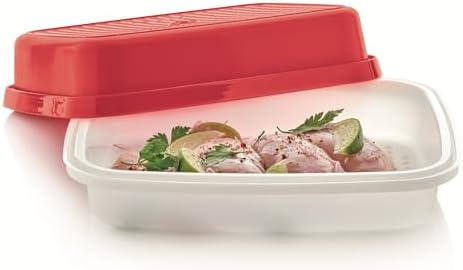
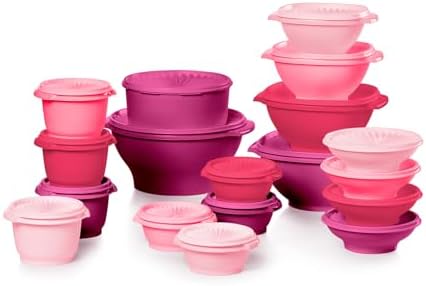
The sale closed in late November 2024, and Tupperware’s last U.S. manufacturing plant, in Hemingway, South Carolina, shut down in January 2025 as production shifted to the company’s Lerma, Mexico, facility.
A post-sale liquidation plan was approved in May 2025 and took effect that June. What operates under the Tupperware name today, sometimes called The New Tupperware Company, is a smaller, privately held business, not the publicly traded company that built the brand’s reputation.
Rubbermaid’s Ownership Under Newell Brands
Rubbermaid carries none of that uncertainty. Newell Co. completed its merger with Rubbermaid Incorporated on March 24, 1999, and the combined company became Newell Rubbermaid Inc. — later renamed Newell Brands, the parent behind Sharpie, Coleman, and Graco as well.
Rubbermaid Commercial Products LLC, a Newell subsidiary, handles warranty claims and product support today. No bankruptcy, ownership change, or manufacturing shutdown has touched Rubbermaid in the period that upended Tupperware.
For a buyer trying to judge which brand will still answer the phone in three years, that continuity counts for more than any single feature comparison.
Material and Plastic Safety Compared
Rubbermaid and Tupperware use the same two core plastics; they just market them under different line names. Once you know the resin codes, the “material difference” between the brands mostly disappears.
Plastic Types and Resin Codes Used by Each Brand
| Resin code | Material | Used in |
|---|---|---|
| #5 | Polypropylene (PP) | Rubbermaid TakeAlongs and EasyFindLids; Tupperware’s opaque and colored everyday lines |
| #7 | Tritan copolyester (Eastman) | Rubbermaid Brilliance; Tupperware Ultra Clear |
Both companies license the same Eastman Tritan resin for their flagship clear collections. Rubbermaid Brilliance and Tupperware Ultra Clear are built from the same base material, just molded into different shapes with different lid systems.
BPA-Free Timeline: When Each Brand Eliminated BPA
Before comparing dates, it helps to look at lead-safety testing in dinnerware and plastic alternatives, since plastic and ceramic safety are evaluated against different standards.
| Brand | BPA-free since | Notes |
|---|---|---|
| Tupperware | March 2010 (US and Canada) | All products sold since this date are BPA-free; pre-2010 pieces may still contain BPA |
| Rubbermaid | Phased in through the 2010s | No single nationwide cutoff date published; current lines are confirmed BPA-free, older pieces vary by product |
If you’re still using containers bought before either date, that’s the detail to check — not the brand printed on the lid.
Microwave and Dishwasher Safety by Product Line
Microwave safety in both brands depends on the product line, not the company name. The same logic applies if you’re comparing against IKEA 365+ dishes, dishwasher, and microwave safety, where the specific line matters more than the brand.
Which Rubbermaid Lines Are Microwave-Safe
- Brilliance containers are microwave-safe with the lid unlatched, using built-in vents that release steam during heating.
- TakeAlongs and EasyFindLids containers carry a microwave-safe base, built for reheating leftovers and lunches.
- FreshWorks containers are not microwave-safe — they’re designed for refrigerator produce storage only.
- Brilliance Glass containers go further still, with bases rated oven-safe up to 450°F.
That oven-safe rating only applies to the glass base, and it’s a different test than microwave safety. For a fuller picture of which oven-safe plate materials and heat tolerance hold up at high heat, the comparison extends well beyond food storage containers.
Which Tupperware Lines Are Microwave-Safe
- Containers marked with the wavy-line microwave icon on the base are rated for reheating, per Tupperware’s own product labeling.
- Tupperware recommends capping microwave time at three minutes per cycle, stirring and continuing in shorter bursts if longer heating is needed.
- Vented lids need to stay open while microwaving — sealing a vented lid shut defeats the design and risks pressure buildup.
- Containers without the microwave icon, including most decorative and storage-only pieces, aren’t built for reheating at all.
Durability, Lids, and Everyday Design
Durability comes down to two separate things: how well the lid seals over time, and how well the plastic resists cracking and staining. Rubbermaid and Tupperware solve the sealing problem differently, and that difference shows up faster than any material comparison does.
Lid and Seal Mechanisms Compared
| Feature | Rubbermaid Brilliance | Tupperware (classic line) |
|---|---|---|
| Seal type | Dual-latch locking lid | Press-and-seal “burping” lid |
| Steam venting | Built-in vents under latches | A separate vented lid is required for microwaving |
| Lid compatibility | One universal lid size fits multiple Brilliance bases | Lids are typically matched to specific container shapes |
| Learning curve | Minimal — latches close like a lunchbox | Takes practice to get an even seal on the first few tries |
Cracking, Staining, and Long-Term Wear
- Tritan-based containers from both brands resist staining better than polypropylene, which is why tomato sauce and turmeric show up faster in everyday lines than in Brilliance or Ultra Clear pieces.
- Polypropylene containers are more prone to hairline cracks after repeated dishwasher cycles, especially around the corners of rectangular shapes.
- Lid latches wear out before the container body does in most households — a cracked latch, not a cracked base, is the most common failure point reported by owners of both brands.
- Hand-washing extends the life of clear lines from both brands, since high-heat dishwasher cycles drive most of the cloudiness that builds up over time.
If chip resistance and long-term wear matter more to you than plastic does, Corelle vs Mikasa durability and chip resistance covers how two glass and ceramic options hold up against the same question.
Warranty Comparison: What’s Actually Covered in 2026
Warranty coverage is where the gap between these two companies gets hardest to ignore. One brand has a parent company that’s been publishing and updating warranty terms for 25 years. The other just changed owners and hasn’t said anything public about warranties at all.
Tupperware’s Warranty Status After the Brand Sale
Tupperware’s pre-bankruptcy marketing leaned on a lifetime guarantee that’s still repeated in older comparison posts and forum threads.
There’s no published warranty document yet from the post-2024 ownership group confirming whether that guarantee still applies, and the bankruptcy filing didn’t include a public statement on existing warranty obligations.
Until The New Tupperware Company publishes updated terms, treat “lifetime warranty” as a legacy claim rather than a guarantee you can act on today.
Rubbermaid’s Updated Warranty Terms (Effective April 2025)
| Rubbermaid line | Official warranty | Source |
|---|---|---|
| FastTrack closet system | Limited Lifetime Warranty — repair or replace defects in material or workmanship for the life of the product | Newell Brands warranty documentation |
| Trash, recycling, sheds, outdoor storage, laundry, step stools, cleaning, and general closet organization | 1-year limited warranty, effective for purchases on or after April 1, 2025 | Newell Brands warranty documentation |
| Brilliance food storage | Marketed as “lifetime warranty” on retail listings; customer service responses have varied between full lifetime coverage and 1-year coverage on the same line | Rubbermaid product listings vs. reported customer service correspondence |
Price Comparison: Which Brand Costs More?
Rubbermaid is the cheaper brand to buy today, and the price gap holds across nearly every comparable size. Tupperware’s pricing carried a premium when it sold mainly through home consultants, and that premium has largely carried over into its current retail and online presence.
Residential Line Pricing Compared
| Price tier | Rubbermaid | Tupperware |
|---|---|---|
| Everyday / budget | TakeAlongs and EasyFindLids sit among the cheapest name-brand options at mass retail | Classic colored lines are priced above most mass-market competitors |
| Premium / clear | Brilliance carries mid-range pricing for Tritan-based sets | Ultra Clear is priced at the high end for comparable Tritan capacity |
| Where to compare | Walmart, Target, Amazon | Tupperware.com, with fewer third-party retailers carrying current stock |
Rubbermaid Commercial vs Tupperware for Bulk and Foodservice Use
| Factor | Rubbermaid Commercial | Tupperware |
|---|---|---|
| Large-capacity options | Up to 22-quart containers and rolling ingredient bins | No directly comparable large-capacity commercial line |
| Buyer base | Restaurants, catering operations, food trucks | Households and small-batch home cooks |
| Where it’s sold | Foodservice distributors and restaurant supply retailers | Tupperware.com and limited retail |
| Verdict | The clear choice for high-volume foodservice storage | Not built or positioned for that use case |
Where to Buy Each Brand Today
Where you can actually buy each brand has changed more for Tupperware than for Rubbermaid, and that shift is a direct result of the 2024 sale, not a marketing decision.
Buying Tupperware in 2026: Retail, Online, and Consultants
Tupperware’s traditional party-plan consultant network shrank sharply during the bankruptcy, and the company’s post-sale leadership has pushed a digital-first, online-led sales model instead.
You can still buy current Tupperware products directly through Tupperware.com, and some pieces remain available through major retailers, but the in-home demonstration model that built the brand is no longer the primary way most people buy it.
If you’re shopping secondhand — thrift stores, estate sales, resale apps — you’re very likely buying pre-2024 inventory, which matters if warranty status is part of your decision.
Buying Rubbermaid: Retail and Online Availability
Rubbermaid’s availability hasn’t changed. Current Brilliance, TakeAlongs, and FreshWorks lines sit on shelves at Walmart, Target, Home Depot, and Amazon, alongside Rubbermaid Commercial products through foodservice suppliers.
Stock levels and exact pricing shift store to store, but there’s no equivalent disruption to track. Newell Brands runs the same distribution network it always has.
Which Should You Buy?
The honest answer is Rubbermaid for most buyers, Tupperware for a specific kind of buyer. Here’s how to tell which one you are:
- If price and easy in-store returns matter most, buy Rubbermaid — it’s cheaper and sold everywhere you already shop.
- If you’re storing large batches for a restaurant, food truck, or catering operation, buy Rubbermaid Commercial, since Tupperware doesn’t make a comparable large-capacity line.
- If you specifically want Tupperware’s classic design, color range, or burping-lid seal, buy current-production Tupperware Ultra Clear through Tupperware.com — and don’t rely on lifetime warranty claims until the company publishes updated terms.
- If you already own older Tupperware from before 2010, replace it before microwaving it regularly, since you can’t confirm BPA status without checking the container itself.
Ready to choose? Compare current Rubbermaid Brilliance sets against Tupperware’s Ultra Clear line side by side before you decide. Checking the latch mechanism and lid fit in person solves more buyer’s remorse than another spec comparison will.
Frequently Asked Questions
Is Rubbermaid as good as Tupperware?
For everyday food storage, yes, Rubbermaid’s Brilliance and TakeAlongs lines match Tupperware on material, microwave safety, and lid security at a lower price.
Tupperware still has an edge in color variety and brand recognition. Neither brand wins in every category, but Rubbermaid wins on value.
Is Tupperware still in business in 2026?
Yes, but as a smaller, privately held company. Tupperware Brands Corporation went through Chapter 11 bankruptcy in 2024 and sold its operations to a lender group that now runs the brand as The New Tupperware Company.
Current products are still made and sold, just under a different ownership structure than before.
Why did Tupperware go bankrupt?
Tupperware carried more than $800 million in debt and never fully recovered from the shift away from its in-home, party-plan sales model. Rising competition from cheaper storage brands and a slow move into e-commerce compounded the problem.
The company filed for Chapter 11 protection in September 2024.
Does Tupperware still have a lifetime warranty?
That’s unconfirmed under the current ownership. The pre-bankruptcy company advertised lifetime guarantees on many products, but the post-2024 ownership group hasn’t published updated warranty terms.
Treat older lifetime-warranty claims as a legacy promise rather than a guarantee you can act on today.
Are Rubbermaid containers BPA-free?
Yes, current Rubbermaid lines are BPA-free. The company has phased BPA out of its food storage products over the past decade, though there’s no single published nationwide cutoff date, unlike the way Tupperware has one.
If you own Rubbermaid containers bought before the mid-2010s, check the specific product page to confirm.
Which is cheaper, Rubbermaid or Tupperware?
Rubbermaid is cheaper across nearly every comparable size and tier. It’s everyday lines, like TakeAlongs, sit at the budget end of name-brand storage, while Tupperware’s pricing — even post-bankruptcy — still reflects its history as a premium, consultant-sold brand. If price is your deciding factor, Rubbermaid wins.
What’s the difference between Rubbermaid Brilliance and Tupperware Ultra Clear?
Both lines use the same Eastman Tritan plastic, so the material isn’t the difference. Brilliance uses a dual-latch lid with built-in microwave vents, while Ultra Clear uses Tupperware’s own press-and-seal lid design. The real difference is the lid mechanism and price, not durability or clarity.
Does Rubbermaid have a lifetime warranty?
Rubbermaid’s FastTrack closet system carries a published Limited Lifetime Warranty, while several other lines — trash, sheds, laundry, and cleaning — moved to a 1-year limited warranty as of April 2025.
Food storage lines like Brilliance are marketed as lifetime-warrantied on retail listings, but customer service responses to specific claims have been inconsistent. Check your product line and keep your receipt rather than assuming full lifetime coverage applies automatically.