

Choosing between opalware vs bone china is one of the most common dilemmas for anyone upgrading their dinnerware.
Both materials look clean, feel premium, and show up at every price point, but they are built differently, behave differently, and serve different types of households.
Opalware is a modern tempered glass option built for everyday resilience. Bone china is a centuries-old ceramic prized for its translucency and elegance.
If you need a clear recommendation based on your specific situation — daily family meals, formal entertaining, veganism, budget, or gifting, this guide gives you exactly that.
Written by Sarah Emirone | Reviewed by James Daniels, B.Sc, Inorganic Chemist & Materials Researcher | Updated September 2026 | See How We Test | Filed under: Brand & Product Comparisons
What Is Opalware?
Opalware is a dinnerware material made entirely from opal glass — not clay, not ceramic, not porcelain.
It undergoes a controlled recrystallization process during manufacturing, where raw glass is heated to extreme temperatures and rapidly cooled at precise intervals.
This thermal treatment restructures the glass at a molecular level, producing the characteristic milky-white opacity and dramatically improving its mechanical strength.
How Opalware Is Made and What It Contains
If you want a deeper look at what opalware is made of and how it’s produced, the manufacturing process is the key to understanding why it performs so differently from ceramic.
The raw materials are natural minerals, no bone ash, no animal by-products, no synthetic resins.
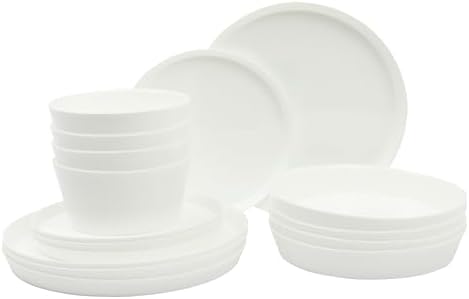
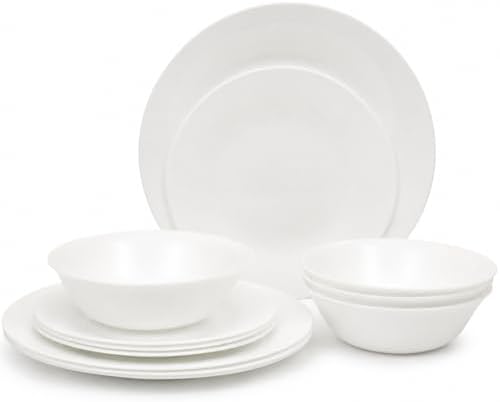


The opal glass is processed through the drop ball test, chip test, thermo-resistance test, and scratch-resistance test before any piece reaches the market.
The result is a non-porous, bacteria-resistant surface that does not absorb food particles, odors, or stains.
Key Properties That Define Opalware
- Break and chip resistance: Opalware shows approximately 2× higher drop resistance than standard bone china, making it significantly more forgiving when mishandled.
- Microwave and dishwasher safe: It withstands temperatures up to 180–240°C depending on brand, making it fully functional for reheating and machine washing.
- Non-porous surface: Because opalware is glass-based, it cannot harbor bacteria or absorb food residue — it stays hygienically clean wash after wash.
- Lightweight and stackable: Despite its strength, opalware is light enough for daily handling and stacks efficiently in compact kitchen storage.
- 100% vegetarian and vegan: Opalware contains no bone ash or animal-derived material of any kind, making it suitable for households with ethical dietary requirements.
What Is Bone China?
Bone china is a ceramic dinnerware material defined by the inclusion of calcified animal bone ash in its clay body.
Traditional bone china contains approximately 25–50% bone ash derived from cattle bones, combined with 25% kaolin (a fine white clay) and 25% feldspar (a mineral).
This specific composition is what gives bone china its signature properties — a warmly translucent appearance when held to light, exceptional thinness, and surprising strength relative to its weight.
It sits at the top tier of ceramic dinnerware and has held that position for over two centuries.


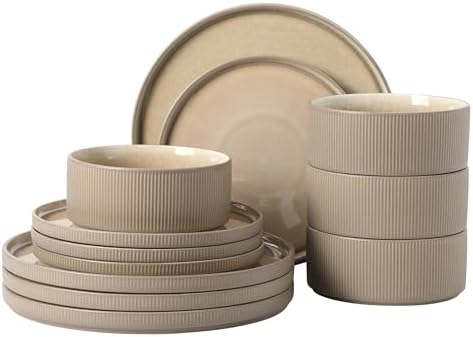

To understand how bone china compares to standard porcelain, the bone ash content is the single most important differentiator, as porcelain contains none.
The Composition of Bone China: What Goes Into It
The bone ash is processed from cattle bones that are calcined at very high temperatures, reducing them to a fine white powder rich in calcium phosphate.
This phosphate content is what makes bone china the strongest material within the ceramic family — stronger than standard porcelain or stoneware.
The final mix is fired at around 1,200–1,280°C, which fuses the materials into a dense, vitrified body. Some manufacturers now produce bone china using synthetic mineral substitutes in place of actual bone ash, though true bone china by definition contains the real material.
What Makes Bone China Look and Feel Different
- Translucency: When held to a light source, genuine bone china glows; the clay body is thin and semi-transparent in a way no other ceramic achieves.
- Ivory-warm white tone: Unlike the bright, stark white of porcelain, bone china has a warmer, slightly creamy hue that reads as inherently elegant.
- Featherlight construction: Bone china is remarkably light for a ceramic material, a quality that makes it feel refined rather than utilitarian in the hand.
- Fine rim profiles: Bone china can be formed with very thin rims and edges, giving plates and cups a delicate, high-end silhouette.
- Superior heat retention: Bone china retains warmth longer than opalware, keeping soups, teas, and hot dishes at serving temperature.
Opalware vs Bone China: Head-to-Head Comparison
The differences between these two materials go well beyond aesthetics. Composition, safety standards, performance, and price operate on entirely different scales.
Full Comparison Table Across Key Dimensions
| Feature | Opalware | Bone China |
| Material Base | Tempered opal glass | Bone ash + kaolin + feldspar |
| Bone Ash Content | None (100% vegetarian) | 25–50% (cattle bone ash) |
| Drop Resistance | ~2× higher than bone china | Moderate — chips at edges on impact |
| Microwave Safe | Yes (up to 180–240°C) | Yes, unless gold- or silver-trimmed |
| Dishwasher Safe | Yes | Yes (gentle cycle recommended) |
| Weight | Lightweight | Very lightweight among ceramics |
| Heat Retention | Moderate | Superior |
| Thermal Resistance | Up to 180°C | Up to 200°C |
| Translucency | Opaque milky-white | Semi-transparent, glowing |
| Stain Resistance | Excellent (non-porous) | Moderate (can stain over time) |
| Price Range | $ Budget to mid-range | $$–$$$$ Mid to luxury |
| Ethical / Vegan | Yes | No (unless vegan bone china) |
| Best For | Everyday family use | Formal entertaining, gifting |
Which Is More Durable in Real-World Use?
Opalware wins on drop resistance by a clear margin. Its 2× higher drop resistance compared to standard bone china is the result of the thermal treatment process baked into its manufacturing, not a surface coating that wears off.
Bone china is strong for a ceramic, and its bone ash content genuinely makes it harder than standard porcelain, but its thin rim profiles create vulnerability at edges.
A bone china plate dropped squarely on a hard floor will almost always chip or crack. An opalware plate under the same conditions has a significantly higher chance of surviving intact.
For how opalware compares to ceramic dinnerware beyond bone china, the durability gap is even wider.
Price Comparison — What Do You Actually Pay?
| Price Tier | Opalware (per set) Not Actual Prices* | Bone China (per set) Not Actual Prices* |
| Entry-level (6-piece) | $15–$35 | $45–$90 |
| Mid-range (12-piece) | $40–$80 | $100–$250 |
| Premium (12-piece+) | $80–$150 | $300–$1,200+ |
| Estimated unit cost | $0.08–$0.92/piece | $0.52–$117/piece |
| Lifespan (average) | 3–7 years with normal use | 5–15+ years if handled carefully |
5-Year Total Cost of Ownership (TCO):
Most buyers compare upfront prices and stop there. The more useful question is: which costs more over five years of actual use? Bone china carries a higher purchase price but a longer functional lifespan.
A quality set can last 10–15 years if stored with felt separators and washed on gentle cycles.
Opalware is significantly cheaper upfront, but households with young children or high-traffic kitchens may replace broken pieces more frequently than they expect, even given its superior drop resistance.
For a family of four replacing roughly 1–2 opalware pieces per year, cumulative spend at year 5 may approach or exceed the cost of a mid-range bone china set purchased once.
For a single adult or couple who eat out frequently, Opalware’s low entry cost wins without question. The TCO tipping point in favor of bone china arrives at approximately 3–4 years for households with careful habits and formal entertaining needs.
Is Opalware or Bone China Better for Everyday Use?
For everyday use, Opalware is the stronger choice for most households. Its drop resistance, microwave compatibility, dishwasher durability, and non-porous hygiene surface are all optimized for the demands of daily meals.
That said, the common assumption that bone china cannot handle everyday use is a myth worth correcting. Modern bone china is chip-resistant and fully dishwasher safe on gentle cycles, and many households use it daily without issue.
Why Families and Daily Users Prefer Opalware
- Drop resistance in practice: Opalware absorbs the physical reality of a busy household — dishes being stacked quickly, handled by children, or slipped from wet hands — far better than bone china.
- Zero maintenance anxiety: There are no special storage requirements, no metal-utensil warnings, and no concern about dishwasher heat settings.
- Microwave-ready for hot meals: Opalware goes from refrigerator to microwave without any thermal shock risk, supporting the actual meal patterns of most families.
- Hygienic surface: The non-porous glass base means bacteria and food odors have no surface to penetrate, which matters in households where dishes are stacked damp or dried in racks.
- Affordable replacement: When a piece breaks, the cost of replacement is low enough that it does not feel like a financial event.
Can Bone China Handle Daily Use?
Yes, and the belief that bone china must be locked in a cabinet and reserved for guests is outdated. Contemporary bone china sets from reputable manufacturers are certified dishwasher safe and chip-resistant.
The practical limitation is edge vulnerability: bone china should not be stacked heavily or dropped, and gold- or platinum-trimmed pieces require hand washing.
For a household that is simply careful, not obsessive, just reasonably attentive, bone china performs well daily and rewards that care with an elevated table experience every single meal.
Health and Food Safety: Which Dinnerware Is Safer?
Both opalware and bone china are food safe when purchased from reputable manufacturers complying with FDA (US) or EU LFGB standards for lead and cadmium leaching. The material itself is not the primary health risk — the glaze and decoration are.
Is Opalware Food Safe and Chemical-Free?
- Non-leaching glass base: Opalware’s glass composition does not react with food at any temperature within normal cooking and serving ranges.
- No lead or cadmium in plain white sets: Undecorated opalware contains none of the pigment-related chemicals that can appear in colorful dinnerware patterns.
- Bacteria-resistant surface: The non-porous glass surface cannot harbor microorganisms, making it one of the most hygienic daily dinnerware options available.
- Compliant with international food safety standards: Quality opalware sets are certified under FDA food contact regulations and EU LFGB standards.
- Safe for hot food and beverages: Opalware does not leach any compounds when used for hot soups, teas, or reheated meals in the microwave.
Is Bone China Safe to Eat From?
Plain white bone china is safe to eat from. The health concern arises specifically with heavily decorated pieces, as certain manufacturers use cadmium-based pigments to achieve warm reds and oranges, and lead-based compounds in some gold and silver rim finishes.
These are encased beneath a clear glaze layer, but chipped or worn pieces can expose the underlying pigment to food contact.
The practical rule is: plain white or lightly patterned bone china from a certified manufacturer carries no meaningful health risk.
Avoid using chipped bone china for food service, and verify that any colored piece meets FDA or LFGB lead/cadmium standards before purchasing.
Ethical and Environmental Considerations
This is the dimension where opalware and bone china diverge most sharply and where most comparison articles stop at a single sentence. The full picture has three tiers.
Why Opalware Is the Vegetarian and Vegan Choice
Opalware contains zero animal-derived material. No bone ash, no animal by-products at any stage of production. This makes it fully compatible with vegetarian, vegan, Jain, and other ethically driven dietary frameworks that extend to household products.
From an environmental standpoint, Opalware’s glass base is recyclable, and glass manufacturing — while energy-intensive — does not require cattle bone processing.
For households thinking about whether bone china is considered kosher or raises other religious dietary compliance questions, opalware presents no compositional concerns.
What About Vegan Bone China — Is It a Real Alternative?
Vegan bone china is a genuine and growing product category. Manufacturers now produce bone china using synthetic mineral substitutes — typically combinations of calcium phosphate derived from non-animal sources in place of cattle bone ash.
The result closely replicates the translucency, warmth, and thinness of traditional bone china while eliminating the animal-derived content.
Vegan bone china is generally more expensive than standard opalware and less widely available than traditional bone china, but it represents a legitimate third option for buyers who want the aesthetic of fine china without the ethical trade-off.
When considering environmental impact, high-temperature ceramic kilns required to fire bone china consume substantially more energy per unit than glass manufacturing processes used for opalware, a factor increasingly relevant to sustainability-conscious buyers.
Opalware vs Bone China for Special Occasions and Gifting
The setting in which dinnerware will be used most often should drive the purchase decision as much as material properties.
When Bone China Is the Right Choice for Your Table
- Formal dinner parties: The translucency, slim profiles, and warmth of bone china elevate a table setting in a way opalware cannot replicate.
- Wedding and anniversary gifts: Bone china carries perceived luxury and heirloom weight that makes it a meaningful, lasting gift — especially in branded sets.
- Holiday and festive entertaining: Bone china’s elegance suits occasions where the table presentation is part of the experience.
- Long-term investment pieces: A quality bone china set, cared for properly, can last decades and appreciate in perceived value as a household heirloom.
- Photography and food styling: The luminous quality of bone china photographs exceptionally well, relevant for hosts who document their table settings.
When Opalware Wins at the Table
- Casual entertaining with large groups: Opalware handles the stack-and-serve reality of feeding ten guests without the anxiety of breakage.
- Outdoor dining and garden parties: The drop resistance of opalware makes it far safer for al fresco settings where surfaces are uneven, and accidents are common.
- Gifting for young households or new homes: Opalware sets are affordable enough to give generously without budget strain and practical enough to use every day.
- Budget-conscious hosts: A full opalware service for eight costs a fraction of an equivalent bone china set, with no meaningful sacrifice in visual cleanliness or table appeal.
- Kid-friendly family meals: Opalware is the rational choice for any household where children handle dishes regularly.
Maintenance and Care: How to Make Each Last
How to Clean and Store Opalware Properly
- Wash with lukewarm water first — avoid sudden exposure to very cold water after hot use to prevent thermal shock.
- Use a non-abrasive sponge or soft cloth; abrasive scrubbers will scratch the surface and dull the finish over time.
- Opalware is dishwasher safe — load pieces without stacking pressure against adjacent items, and use a normal or eco cycle.
- Dry immediately after washing rather than leaving pieces wet in a rack, which can cause mineral deposits in hard-water areas.
- Stack carefully — opalware can be stacked, but should not have heavy items placed on top of a high stack for extended periods.
- Store away from direct heat sources; while thermally resistant, sustained proximity to stovetop heat is not recommended.
How to Care for Bone China Without Damaging It
- Hand-wash gold- or platinum-trimmed pieces — dishwashers will gradually erode metallic finishes.
- For machine washing, use the delicate or china cycle with low-temperature drying; high heat can stress the glaze over time.
- Store plates with soft felt or cloth separators between each piece to prevent rim-to-rim abrasion and chipping.
- Never use metal utensils directly on the plate surface — metal marks are difficult to remove and can score the glaze.
- Handle pieces with two hands when moving stacks — the thin rim profiles of bone china are most vulnerable at edges under off-center pressure.
- Do not leave bone china soaking in water for extended periods, as prolonged moisture exposure can affect the glaze seal of older or lower-quality pieces.
Which Should You Buy? Our Verdict by Buyer Type
Before making your final decision, consult our complete dinnerware buying guide for a full breakdown of all materials, price tiers, and brand recommendations. For opalware vs bone china specifically, the table below maps your situation directly to the right choice.
Decision Guide — Match Your Needs to the Right Material
| Buyer Type | Recommended Choice | Key Reason |
| Family with young children | Opalware | 2× drop resistance; microwave and dishwasher safe |
| Vegan/vegetarian/Jain household | Opalware | 100% bone-ash-free; no animal by-products |
| Formal entertainer | Bone China | Translucency and heat retention elevate the table |
| Wedding or anniversary gift buyer | Bone China | Perceived luxury; heirloom quality |
| Hotel or restaurant owner (volume) | Opalware | Cost-efficient at scale; superior breakage durability |
| Budget-conscious buyer | Opalware | Significantly lower entry cost per piece |
| Fine dining collector | Bone China | Prestige, aesthetics, long-term value |
| Buyer who wants ethical elegance | Vegan Bone China | Cruelty-free with similar aesthetics to traditional bone china |
Can You Use Both in the Same Kitchen?
Many households do, and it is a practical strategy, not a compromise. The most functional approach is to keep an opalware set as the daily workhorse for weekday meals, packed lunches, and family breakfasts, then bring out bone china for dinner parties, holiday meals, and occasions that warrant a more considered table.
This arrangement protects the bone china from the attrition of daily use while keeping opalware’s superior durability working in high-frequency service.
The two materials store well together and present no compatibility issues. If your budget allows a single purchase, your use pattern answers the question: daily convenience points to opalware, formal presence points to bone china.
Ready to buy? Explore our curated picks for the best dinnerware sets for every budget — including top-rated opalware and bone china sets reviewed for quality, durability, and value.
Frequently Asked Questions About Opalware and Bone China
Is opalware the same as tempered glass?
Opalware is made from opal glass that undergoes a specific recrystallization and tempering process, giving it a unique milky-white opacity and enhanced strength distinct from standard tempered glass.
The manufacturing method is similar in principle but produces a structurally and visually different material. Standard tempered glass is clear; opalware is opaque and significantly stronger per unit weight.
Does bone china contain real animal bones?
Traditional bone china contains 25–50% calcified cattle bone ash as a core component of its clay body.
Not all modern bone china uses real bone ash — vegan and synthetic alternatives exist — so verifying the product label or contacting the manufacturer is recommended if this matters to you.
Is Opalware microwave safe?
Yes. Opalware is fully microwave safe and can withstand temperatures between 180–240°C, depending on the brand. It will not crack, warp, or leach compounds under normal microwave heating cycles.
Can I use bone china in the dishwasher?
Yes, but the gentle or delicate cycle is strongly recommended. High-heat drying settings should be avoided to protect the glaze over time. Gold- or platinum-trimmed bone china should always be hand-washed, as dishwasher detergents and heat will degrade metallic finishes.
Why is bone china more expensive than opalware?
Bone china’s price reflects its raw material cost (cattle bone ash processing), labor-intensive production, longer firing cycles, and its market positioning as a luxury ceramic product.
Opalware’s glass manufacturing process is industrially efficient and significantly more cost-effective at volume.
Is Opalware safe for vegans and vegetarians?
Yes, without reservation. Opalware contains no bone ash, no animal by-products, and no animal-derived materials at any stage of production. It is classified as 100% vegetarian and vegan.
Which is heavier — opalware or bone china?
Both materials are lightweight relative to stoneware and standard ceramic. Bone china is specifically known for its low weight within the ceramic family. Opalware is comparable in weight but may feel marginally denser in thicker pieces, depending on the manufacturer’s design.
Which material stains more easily?
Opalware’s non-porous glass surface resists staining and odor absorption very effectively, making it easy to maintain even with heavy use. Bone china can develop staining from tea, coffee, and acidic foods over time if pieces are not cleaned promptly after use.
Is bone china worth the price?
For formal dining, gifting, long-term table investment, and any context where aesthetics carry significant value, yes. For daily household use where convenience, durability, and cost matter most, opalware delivers better practical value per pound spent.
Can children use bone china safely?
Bone china is chip-resistant but will break if dropped onto a hard surface. For households with young children who handle dishes regularly, opalware’s substantially higher drop resistance makes it the safer and more sensible daily choice.
Bone china is better reserved for supervised, occasion-based use in child-present households.
About the Author & Reviewer
Sarah Emirone, Author
Sarah researches and writes SafeKitchn’s dinnerware and kitchenware guides, with a focus on material safety, lead content, and manufacturer specifications. She cross-references product data sheets, safety certifications, and regulatory filings (including FDA and Prop 65 records) before publishing, and updates articles when new information becomes available.
James Daniels, Reviewer
James reviews SafeKitchn’s material safety content for scientific accuracy. He holds a B.Sc in inorganic chemistry and works as a materials researcher, with particular focus on the composition and safety behavior of glass, ceramic, and metal used in kitchenware.