

Most guides on how to mix and match Fiesta dinnerware colors hand you a list of combinations and call it done.
That’s useful if you happen to own exactly those colors. It’s not useful when you’re standing in a store trying to decide whether Mulberry works with your existing Turquoise and Cobalt.
What you actually need is a method that works with whatever colors you own or buy next. That’s what this guide gives you: a repeatable decision framework, applied directly to real Fiesta color names.
Written by Sarah Emirone | Reviewed by James Daniels, B.Sc, Inorganic Chemist & Materials Researcher | Updated September 2026 | See How We Test | Filed under: Buying, Care & Product Guides
The One Rule Fiesta Itself Recommends — And Why It Works
Fiesta’s own design team has answered this question publicly: limit your color combinations to 4 to 5 colors. More than that, and the table starts to feel like a color swatch display rather than a meal.
Fewer than three and you lose the playful contrast that makes Fiesta worth using in the first place.
Cap Your Palette at 4 to 5 Colors
The 4-to-5 limit isn’t arbitrary — it comes directly from the Fiesta dinnerware team’s official FAQ, where they note that exceeding it “can sometimes make your table setting look busy.” There’s a reason the constraint works:
- The eye needs a resting point. Too many competing colors give the eye nowhere to settle, which reads as chaotic rather than festive.
- Neutrals need room to work. When every piece is a saturated color, neutrals like White or Slate lose their ability to make the other colors pop.
- Additions become easier. When you know your palette is Cobalt + Turquoise + Lemongrass + White, you know exactly whether a new color fits before you buy it.
- Piece replacement is simpler. If a bowl breaks, you know which color you need. With eight colors in rotation, that clarity disappears.

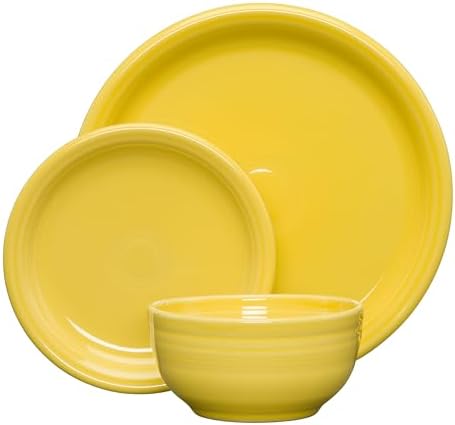
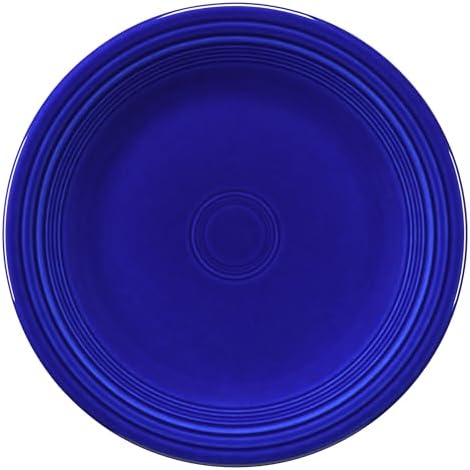
Four colors are a good starting target. Five works well for larger households where each person wants their own color at the table.
Pick One Neutral and Build Around It
The single most reliable move in any Fiesta color combination is anchoring the palette with one neutral.
Fiesta neutral colors, including White, Slate, and Ivory, are not filler; they’re what make the accent colors readable. Without a neutral, four saturated Fiesta colors compete at equal volume.
| Neutral Color | Tone | Pairs Best With |
|---|---|---|
| White | Clean, bright | Any color makes warm tones pop |
| Ivory | Warm, creamy | Cobalt, Scarlet, Lapis, Turquoise |
| Slate | Cool gray | Poppy, Daffodil, Mulberry, Meadow |
| Foundry | Deep charcoal | Turquoise, Lemongrass, Peony, White |
| Linen | Warm off-white | Scarlet, Marigold, Paprika, Cobalt |
White is the most versatile starting point. Slate is the best choice if your accent colors lean cool or muted. Foundry works if you want a more dramatic, modern-feeling table.
How Color Theory Maps to the Fiesta Palette
Fiesta produces colors that span the full color wheel, which means actual color theory principles apply directly to it.
For the complete Fiesta dinnerware color guide covering every hue from 1936 to today, the range is enormous. But when it comes to mixing, three approaches cover most situations: complementary, analogous, and warm-versus-cool.
Complementary Pairings — High Contrast, High Impact
Complementary colors sit opposite each other on the color wheel. In Fiesta terms, that means blue against orange, red against green, and purple against yellow.
These combinations create visual tension that reads as energetic and bold, right for entertaining, holidays, or anyone who wants their table to feel alive.
| Color Pair | Why It Works | Best For |
|---|---|---|
| Cobalt + Poppy | Blue-orange complement; maximum contrast | Casual entertaining, birthdays |
| Turquoise + Scarlet | Near-complement; warm/cool tension | Every day use, summer tables |
| Lapis + Butterscotch | Deep blue against amber; rich contrast | Fall dinners, Thanksgiving |
| Mulberry + Daffodil | Purple-yellow complement | Spring tables, brunch |
| Meadow + Paprika | Green-red complement | Christmas, holiday entertaining |
One thing worth knowing: complementary pairs hit hardest when one color dominates and the other accents. Cobalt dinner plates with Poppy salad plates work well. Equal amounts of both on every piece at once can feel more aggressive than festive.
Analogous Pairings — Cohesive and Easy to Live With
Analogous colors sit next to each other on the color wheel — they share a common undertone, which makes them naturally harmonious. These combinations are calmer than complementary pairs and easier to live with every day.
| Color Group | Tone Family | Best For |
|---|---|---|
| Turquoise + Lemongrass + Meadow | Blue-green family | Everyday use, casual dining |
| Cobalt + Turquoise + Lapis | Blue family | Coastal, calm, consistent |
| Scarlet + Poppy + Daffodil | Warm red-orange-yellow | Warm kitchens, energetic tables |
| Mulberry + Peony + Flamingo | Pink-purple family | Soft, feminine, spring-ready |
| Paprika + Butterscotch + Daffodil | Amber-yellow family | Autumn, warm and earthy |
Analogous groups work especially well when you need a table that feels put-together without being dramatic. They’re also the easiest palette to expand: if you own Turquoise and Lemongrass, Meadow is a natural third addition.
Warm Palette vs. Cool Palette — Choosing a Side
One of the simplest decisions you can make is committing to a warm palette or a cool one. Mixing warm and cool colors works. Turquoise and Scarlet are a proven example, but building an entire collection around one temperature creates the most coherent results.
| Feature | Warm Palette | Cool Palette |
|---|---|---|
| Fiesta Colors | Scarlet, Poppy, Daffodil, Butterscotch, Paprika, Lemongrass | Cobalt, Turquoise, Lapis, Peacock, Mulberry, Slate |
| Mood | Energetic, festive, welcoming | Calm, sophisticated, modern |
| Kitchen Decor Match | Wood tones, terracotta tile, warm white walls | Grey or white cabinetry, marble, stainless steel |
| Best Neutral Anchor | White or Ivory | Slate or Foundry |
| Seasonal Sweet Spot | Fall and summer | Spring and winter |
Neither palette is better. The right choice is the one that matches your kitchen’s existing tones and your personal preference for how much energy a table setting should carry.
How to Assign Colors by Piece Type
No, Fiesta dinner plates and salad plates do not need to match. But how you assign colors to each piece type matters more than most guides acknowledge. The dinner plate is the largest piece on a place setting; it sets the visual baseline. Every other piece is read in relation to it.
Dinner Plates, Salad Plates, and Bowls — Who Carries What
This is a decision hierarchy, not a set of equal tips. Use it in order:
- Dinner plate = anchor color. This is the piece with the most visual weight. Put your neutral here (White, Slate, Ivory) if you want the accent colors to read clearly. Put your mid-tone here (Lapis, Lemongrass) if you want the table to feel more colorful without going full saturated.
- Salad plate = accent or contrast. This is the right place for a bold, contrasting color — Scarlet against a Cobalt dinner plate, Daffodil against Mulberry. The smaller size means the contrast reads as intentional rather than jarring.
- Bowl = echo or lighten. Bowls work best when they repeat the dinner plate color or go one step lighter within the same family. A Cobalt dinner plate with a Lapis bowl reads as cohesive. A Cobalt dinner plate with a Turquoise bowl does the same.
- Mug = freest choice. Mugs are the safest place to try a new color. They’re small, they’re used one at a time, and they sit above the plate rather than next to it — so a new color in the mug rarely disrupts the rest of the place setting.
Mugs and Serving Pieces — Where to Use Your Boldest Color
Mugs and serving pieces are where most Fiesta collectors experiment, and it’s the right instinct. A bold color in a mug adds personality without committing the whole table to it.
- Try your newest or riskiest color in a mug first. If Peony feels uncertain about your existing Cobalt and Turquoise set, one Peony mug will show you whether it works before you buy four dinner plates.
- Serving pieces can go bold. A large Scarlet bowl in the center of a White and Slate place setting becomes a focal point — the one thing people notice first when they sit down.
- Avoid making every serving piece a different color. One or two standout serving pieces work. Five different-colored serving pieces at once pull the eye in too many directions.
- Matching serving pieces to your anchor color is always safe. If White is your neutral, White serving pieces make the table feel intentional and clean, regardless of what’s on the individual place settings.
Ready-to-Use Fiesta Color Combinations by Mood and Occasion
A combination that looks great in a photo doesn’t always translate to a real table. The combinations below are built for specific occasions and include the linen color that works with each, because what’s underneath your plates changes how the colors read.
For Fiesta dinnerware place settings and starter sets, each combination below can be built from standard 4-piece sets.
Everyday Combinations That Work Year-Round
| Combo Name | Colors | Mood | Best Linen | Works For |
|---|---|---|---|---|
| Citrus Splash | Turquoise + Sunflower + Lemongrass + White | Bright, cheerful | White or natural linen | Casual family dinners |
| Cool Coast | Cobalt + Turquoise + Lapis + Slate | Calm, modern | Grey or white linen | Everyday use in modern kitchens |
| Warm Core | Scarlet + Poppy + Daffodil + Ivory | Warm, energetic | Natural or cream linen | Kitchens with wood or warm tones |
| Muted Modern | Slate + Foundry + Linen + Meadow | Sophisticated, understated | White or black linen | Contemporary dining rooms |
| Deep Jewels | Cobalt + Mulberry + Lapis + White | Rich, dramatic | White or ivory linen | Dinner parties, entertaining |
| Earth Tones | Paprika + Butterscotch + Lemongrass + Ivory | Warm, grounded | Burlap or natural linen | Fall tables year-round |
Seasonal Combinations — Fall, Winter, Spring, Summer
| Season | Recommended Colors | Anchor Neutral |
|---|---|---|
| Fall | Paprika + Butterscotch + Lapis + Marigold | Ivory or Linen |
| Winter / Holiday | Scarlet + Meadow + Cobalt + White | White |
| Spring | Peony + Daffodil + Turquoise + White | White or Slate |
| Summer | Poppy + Lemongrass + Turquoise + Sunflower | White |
One thing these seasonal combos share: the anchor neutral stays consistent. Swapping in seasonal accent colors while keeping White or Ivory as the constant plate means you’re not replacing your full collection each quarter, just adding a few accent pieces.
How to Start a Fiesta Collection if You’re Buying From Scratch
The hardest part of building a Fiesta collection is the first purchase. Everything feels like it could conflict with a color you might want to add later. The honest answer: three colors cover you for almost any direction you go from there.
The Three Colors Worth Owning First
These three are ranked by versatility — how many other Fiesta colors they work with, how well they anchor different tablescapes, and how consistently they perform across seasons and kitchen styles.
- Turquoise. The current top-selling Fiesta color is the one that works with the broadest range of other colors. It pairs with warm tones (Scarlet, Poppy, Daffodil) as a complementary contrast and with cool tones (Cobalt, Lapis) as an analogous companion. It reads bright without being aggressive. Start here.
- White or Slate. Pick one neutral before your second accent color. White is warmer and more traditional; Slate is cooler and more contemporary. Both serve the same structural purpose: giving your eye a resting point and making your accent colors readable. Without a neutral in the mix, three saturated Fiesta colors fight each other.
- Daffodil or Lemongrass. A yellow-green entry bridges warm and cool palettes. Daffodil is warmer and pairs naturally with Scarlet, Poppy, and Turquoise. Lemongrass is cooler and works well with Cobalt, Turquoise, and Meadow. Either one gives you a versatile third color that rarely clashes with what you add next.
Check the most popular Fiesta colors right now before committing — some colors sell out seasonally, and knowing what’s available affects where you start.
Should You Assign One Color Per Person at the Table?
Yes — with one condition. Assigning each person their own Fiesta color is one of the most practical things about the dinnerware. It solves the “whose mug is this?” problem immediately, and it makes setting the table something kids can do without instruction.
The condition: your assigned colors still need to work together as a group. Four people with four random colors picked in isolation can end up with a table that clashes. Pick the colors as a set first, then assign them individually.
The Fiesta’s annual Color of the Year releases are worth watching for this; they’re specifically designed to complement the existing active palette.
Try before you buy: Fiesta’s free Colorama tool at colorama.fiestafactorydirect.com lets you build a virtual place setting in any color combination and print a shopping list. It takes about five minutes and removes most of the guesswork before you spend anything.
Frequently Asked Questions About Mixing Fiesta Dinnerware Colors
Can you mix different colors of Fiestaware?
Yes, mixing colors is the intended use. Fiesta has been designed for mix-and-match since its 1936 introduction, and every piece in the Post-86 line is made to the same dimensions and glaze finish so colors combine without mismatched shapes or surfaces.
Do Fiesta dinner plates and salad plates need to be the same color?
No. Different colors on the dinner plate and salad plate is one of the most common and intentional Fiesta styling choices. A useful rule: put a neutral or mid-tone on the dinner plate and use the salad plate for your boldest or most contrasting color.
What is the best Fiesta color to anchor a mixed set?
White is the most versatile anchor because it works with every other color in the Fiesta line. Slate works better if your accent colors are cool-toned or muted. Either way, one neutral in the palette makes the other colors read more clearly.
What colors does Fiesta recommend for a bright, warm collection?
According to Fiesta’s own FAQ, Poppy, Daffodil, Lemongrass, and Turquoise are their recommendation for warm-leaning color lovers.
For cool-leaning palettes, they suggest Cobalt, Sunflower, Lemongrass, and Turquoise with Daffodil, Turquoise, and Lemongrass as the three colors they consider the most universally compatible starting point.
Can I mix vintage Fiesta colors with Post-86 pieces?
You can display them together, but think carefully before using vintage pieces for food service alongside Post-86. Vintage Fiesta (pre-1973) contains lead-based glazes.
For the full picture on that distinction, see mixing vintage and Post-86 Fiesta pieces — the safety implications matter.
What Fiesta colors work best for fall entertaining?
Paprika, Butterscotch, Lapis, and Ivory are a strong fall combination — warm amber and terra-cotta tones with a deep blue for contrast, anchored by a neutral. Marigold or Daffodil can substitute for Butterscotch if that color isn’t available.
How do I stop my Fiesta table from looking chaotic?
Cap your palette at 4 to 5 colors, include at least one neutral, and make sure two of your colors are from the same color family (analogous). The chaos usually comes from mixing too many colors at equal intensity with no anchor. One neutral and one dominant color family fix it.
What is the Colorama tool, and how do I use it?
Colorama is Fiesta’s free virtual tablescape designer at colorama.fiestafactorydirect.com. You choose pieces and colors, build a full place setting on screen, and can print a shopping inventory when you’re done. It’s the most direct way to test a combination before buying anything.
Can I add a new color to an existing Fiesta set without it clashing?
Almost always yes, if you test it against the color theory principles above. Check whether the new color is analogous (same family) or complementary (opposite) to your existing colors.
Either relationship works. What tends to cause problems is a color that’s neither slightly off from your palette nor has a clear tonal relationship to anything you already own.
What Fiesta color goes with everything?
Turquoise is the closest thing to a universal Fiesta color.
It bridges warm and cool palettes, it complements orange and red tones, it sits comfortably next to blue-green analogues, and it’s been the top-selling active color for multiple years.
If you own Turquoise already, almost any other color you add will find a way to work with it.
About the Author & Reviewer
Sarah Emirone, Author
Sarah researches and writes SafeKitchn’s dinnerware and kitchenware guides, with a focus on material safety, lead content, and manufacturer specifications. She cross-references product data sheets, safety certifications, and regulatory filings (including FDA and Prop 65 records) before publishing, and updates articles when new information becomes available.
James Daniels, Reviewer
James reviews SafeKitchn’s material safety content for scientific accuracy. He holds a B.Sc in inorganic chemistry and works as a materials researcher, with particular focus on the composition and safety behavior of glass, ceramic, and metal used in kitchenware.