

Duralex vs Luminarc gets framed as a straight durability contest, and that’s the wrong starting question. Duralex is fully tempered glass, heated to 600–700°C and rapidly cooled, built specifically for impact resistance.
Luminarc’s range spans standard soda-lime glass and opal glass, prioritizing weight and appearance over maximum toughness.
Comparing “which one is stronger” without naming that manufacturing difference is comparing two different categories of product that happen to share a shelf.
This guide covers what each brand is actually made of, the real safety data behind both, thermal and appliance specs, the commercial comparison most articles get wrong, and Duralex’s recent ownership history, including a five-month production shutdown most people have never heard about.
Written by Sarah Emirone | Reviewed by James Daniels, B.Sc, Inorganic Chemist & Materials Researcher | Updated September 2026 | See How We Test | Filed under: Brand & Product Comparisons
What Is the Difference Between Duralex and Luminarc Glass?
Duralex is fully tempered glass engineered specifically for impact resistance.
Luminarc’s lineup is split; drinkware runs mostly standard or partially tempered soda-lime glass, while its dinnerware frequently uses opal (opacified) glass, which prioritizes weight, appearance, and cost over maximum durability.
Neither approach is wrong. They’re solving different problems.
How Duralex’s Tempering Process Actually Works
Glass gets heated to 600–700°C, then cooled rapidly with forced air. That fast cooling puts the surface under compression while the core holds tensile stress — and that internal tug-of-war is what makes tempered glass roughly 2.5 to 3 times more impact-resistant than standard annealed glass of the same thickness.

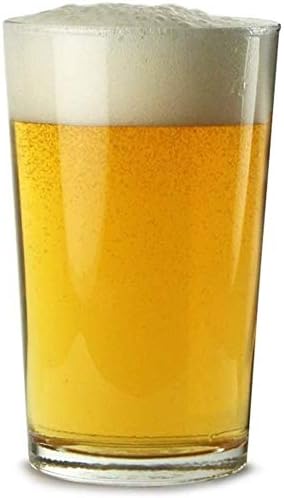


Duralex didn’t invent tempering. Saint-Gobain developed the technique in the 1930s at the same factory in La Chapelle-Saint-Mesmin, and Duralex industrialized it for everyday tableware starting in 1945.
The Gigogne glass came first. The Picardie tumbler, now the more famous of the two, followed in 1954.
What Luminarc Glass Is Actually Made Of
Luminarc drinkware is mostly standard or partially tempered soda-lime glass. Luminarc dinnerware — plates, bowls — frequently uses opal glass, which Arc International’s predecessor company automated for the first time under the related Arcopal brand in 1958.
Opal glass is made by adding fluorides or phosphates during melting, and it’s lighter with better edge chip-resistance than untempered clear glass.


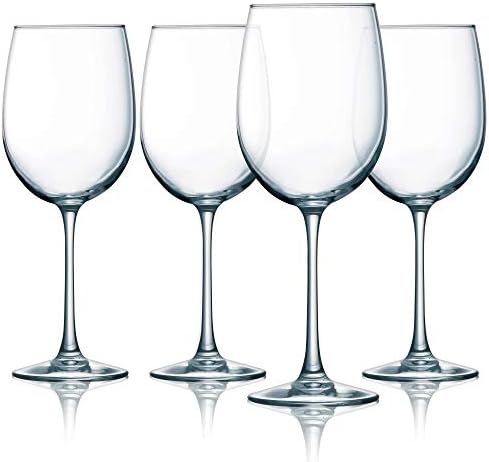
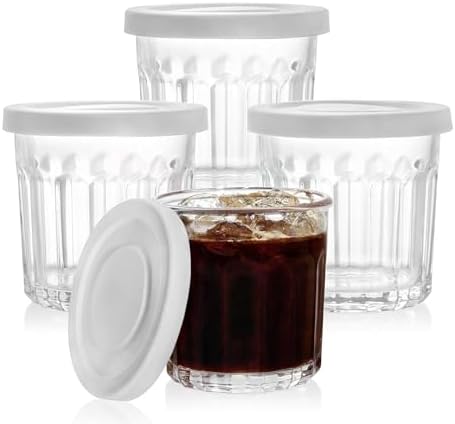

But it’s not engineered for the same impact resistance as Duralex’s full tempering process. If you’re comparing for commercial durability specifically, Luminarc’s professional line, sold under the separate Arcoroc brand, is fully tempered and the more accurate comparison point.
Is Duralex Glass Lead Free? Composition and Safety Compared
Yes, both brands’ standard glassware is lead-free and cadmium-free. That part is settled. The more useful question, and the one nobody answers with actual data, is what replaces lead for clarity and shine, and whether that varies by color.
Duralex’s Published Glass Composition
| Component | Percentage Range |
|---|---|
| Silicon dioxide | 69–74% |
| Aluminum oxide | 1–2% |
| Sodium oxide + potassium oxide | 11–16% |
| Calcium oxide + magnesium oxide | 10.5–14.5% |
This is Duralex’s own disclosed composition, shared directly with an independent tester and confirmed as standard soda-lime glass — not borosilicate.
The Independent Testing Data on Colored Duralex Glass
Tamara Rubin, an independent heavy-metal tester who runs the site Lead Safe Mama, used XRF testing on Duralex glassware and found elevated barium levels specifically in bright yellow-tinted tumblers. Clear Duralex glassware tested barium-free.
Barium oxide is a common lead substitute in glass manufacturing. It’s what maintains clarity and shine without using lead oxide, and it’s not inherently dangerous in the glass matrix itself.
What matters here is the color-specific pattern: clear pieces came back clean, colored pieces did not. This is XRF data, meaning it detects presence, not leach rate — it tells you barium is there, not how much (if any) would actually migrate into food or drink under normal use.
That distinction matters, and it’s the reason this isn’t a “stop using Duralex” finding. It’s a “clear over colored, if you’re being cautious” finding.
Duralex vs Luminarc: Thermal Performance and Appliance Compatibility
Duralex’s full tempering gives it a wider thermal shock tolerance than most Luminarc consumer glassware. That matters if you’re the kind of person who pours boiling water into a glass straight from the fridge, which is exactly the scenario tempered glass was built to survive.
Full Appliance and Temperature Compatibility Comparison
| Use | Duralex | Luminarc (consumer) | Luminarc (Arcoroc professional) |
|---|---|---|---|
| Thermal shock range | -4°F to 266°F per manufacturer data | Narrower, varies by product | Comparable to Duralex, fully tempered |
| Oven safe | OvenChef line only; most drinkware not rated | Select tempered pieces only | Yes, designed for it |
| Microwave safe | Yes | Yes | Yes |
| Freezer safe | Yes | Yes, same general caution as any glass | Yes |
| Dishwasher safe | Yes | Yes | Yes |
| Open flame/stovetop | No | No | No — neither brand rated for direct flame |
Why Tempered Glass Handles Temperature Swings Better
Tempering creates a compressed outer layer, and that same compression that resists impact also resists the tensile stress caused by uneven heating or cooling. It’s one mechanism doing two jobs.
That’s why Duralex markets a specific thermal shock rating, and standard Luminarc drinkware doesn’t carry the same claim, and it’s also why Arcoroc, Luminarc’s fully tempered commercial line, performs comparably to Duralex on this specific point.
The tempering is what matters, not the brand name attached to it.
Duralex vs Luminarc for Restaurants and Commercial Use
Comparing Duralex against Luminarc’s consumer dinnerware for commercial use is comparing against the wrong product.
Arc International, Luminarc’s parent, makes a dedicated commercial glassware brand called Arcoroc, built specifically for bars, hotels, and restaurants. That’s the real comparison point for a hospitality buyer.
Duralex vs Arcoroc: The Actual Commercial Comparison
| Feature | Duralex | Arcoroc (Luminarc’s commercial brand) |
|---|---|---|
| Primary market | Cafés, bistros, home — Picardie is the iconic café glass | Bars, hotels, restaurants, and institutional catering specifically |
| Tempering | Full tempering across drinkware | Full tempering, built for intensive commercial handling |
| Stackability | Yes, a signature feature | Yes, designed for high-volume storage |
| Breakage replacement cost | Moderate — widely available | Often lower per-unit at bulk/wholesale volume |
| Best for | Independent cafés wanting the iconic look | Larger operations prioritizing bulk cost and durability |
Is Duralex Still Made in France? Ownership and Production History
Yes. Duralex is still manufactured in France, at the same factory in La Chapelle-Saint-Mesmin where the brand began. What’s worth knowing is who owns it now and what happened to the company in the past few years, because it directly affects how stable that supply actually is.
Duralex’s 2021 Acquisition and the 2022–2023 Production Shutdown
In January 2021, International Cookware — the company that owns the Pyrex brand outside the US — acquired Duralex for €3.5 million. The parent group renamed itself La Maison Française du Verre in 2022.
Then came the energy crisis. In November 2022, a spike in energy prices forced Duralex to halt production entirely, putting its furnaces on standby and 250 employees on short-time work.
The furnaces didn’t restart until April 17, 2023 — five months later — after the company received €15 million in French state aid to get through the crisis.
This isn’t obscure trivia. It’s documented, recent history that explains any supply tightness buyers may have noticed during that window, and it’s the kind of context that should factor into how much long-term confidence you place in the brand’s stability.
See our related comparison, Duralex vs Pyrex: which French glass brand wins, given the shared ownership connection.
Brand Origins: Saint-Gobain, Arc International, and How Each Company Started
- Duralex’s factory was founded in 1927 in La Chapelle-Saint-Mesmin, originally producing carboys and jars for the distillery trade.
- Saint-Gobain bought the factory in 1934, and it’s where the company invented industrial glass tempering.
- The Duralex brand launched in 1945 with the Gigogne glass; the Picardie tumbler, now the more iconic product, arrived in 1954.
- Luminarc’s parent traces back to 1825 (Verrerie des Sept Ecluses, Arques) and 1823 (the Carpentier glassworks); the two merged in 1826.
- The Luminarc brand launched in 1948 as the flagship consumer line of what eventually became Arc International.
- Sister brand Arcopal (opal glass) and the commercial line Arcoroc both launched in 1958.
For home use, where impact and thermal resistance are the priority, Duralex is the stronger pick. For commercial volume, compare against Arcoroc, specifically not Luminarc’s consumer dinnerware.
For more options beyond these two brands, our best non-toxic glassware brands roundup covers the full lead-free and cadmium-free landscape. If Duralex is the direction you’re leaning, check out the Duralex Picardie glass for sizing and pattern details.
Frequently Asked Questions: Duralex vs Luminarc
Is Duralex better than Luminarc?
For impact resistance and thermal shock tolerance, yes, Duralex’s full tempering process gives it a real, measurable edge over Luminarc’s standard consumer drinkware and dinnerware.
For commercial-grade durability specifically, Luminarc’s Arcoroc line closes that gap almost entirely, since it’s also fully tempered. The better brand depends on which Luminarc product you’re actually comparing against.
Is Duralex glass lead-free?
Yes, Duralex glassware is lead-free and cadmium-free across its standard range. Independent XRF testing did find elevated barium levels in bright yellow-tinted Duralex tumblers specifically, while clear pieces tested barium-free.
Barium is a common, non-toxic lead substitute, and this is a presence finding, not a measured leach rate.
What is the difference between Duralex and Luminarc glass?
Duralex is fully tempered glass, heated to 600–700°C, then rapidly cooled for maximum impact resistance.
Luminarc’s range splits between standard soda-lime drinkware and opal (opacified) dinnerware, both prioritizing weight and appearance over toughness.
Luminarc’s separate Arcoroc brand is fully tempered and the closest match to Duralex.
Is Duralex tempered glass?
Yes, all standard Duralex glassware goes through full tempering, heated to 600–700°C, then rapidly cooled with forced air.
This process, industrialized by Duralex starting in 1945 using a technique developed by Saint-Gobain, makes the glass roughly 2.5 to 3 times more impact-resistant than standard annealed glass.
Can Duralex glass go in the oven?
Only select pieces, specifically the OvenChef line, which is designed and rated for oven use. Most standard Duralex drinkware and dinnerware isn’t oven-rated, even though it handles thermal shock well in normal hot-and-cold beverage use.
Check the specific product before assuming oven safety across the brand.
Is Luminarc glass safe for hot liquids?
Standard Luminarc consumer glassware handles typical hot beverages fine, but doesn’t carry the same wide thermal shock rating as Duralex. Luminarc’s Arcoroc commercial line, being fully tempered, performs comparably to Duralex under thermal stress.
For anything involving rapid or extreme temperature swings, stick to fully tempered products from either brand.
Who owns Duralex now?
Duralex has been owned by International Cookware — the non-US owner of the Pyrex brand — since January 2021, when the acquisition closed for €3.5 million. The parent group renamed itself La Maison Française du Verre in 2022.
Is Duralex still made in France?
Yes, at the original factory in La Chapelle-Saint-Mesmin, the same site where the brand began. Production did halt for five months between November 2022 and April 2023 due to an energy price spike, but manufacturing has continued in France since the furnaces restarted.
Is Luminarc glass tempered or regular glass?
Both, depending on the product line. Consumer drinkware is mostly standard or partially tempered soda-lime glass; dinnerware often uses opal glass, which isn’t tempered in the same way as Duralex glass.
Luminarc’s Arcoroc commercial line is fully tempered and closer in performance to Duralex.
Which French glassware brand is best for restaurants?
For restaurants specifically, compare Duralex against Arcoroc, not Luminarc’s consumer dinnerware. Arcoroc is Arc International’s dedicated commercial brand, built for bars, hotels, and institutional catering with full tempering.
Duralex’s Picardie line works well for independent cafés wanting the iconic look; Arcoroc tends to win on bulk replacement cost for larger operations.
About the Author & Reviewer
Sarah Emirone, Author
Sarah researches and writes SafeKitchn’s dinnerware and kitchenware guides, with a focus on material safety, lead content, and manufacturer specifications. She cross-references product data sheets, safety certifications, and regulatory filings (including FDA and Prop 65 records) before publishing, and updates articles when new information becomes available.
James Daniels, Reviewer
James reviews SafeKitchn’s material safety content for scientific accuracy. He holds a B.Sc in inorganic chemistry and works as a materials researcher, with particular focus on the composition and safety behavior of glass, ceramic, and metal used in kitchenware.