

You’ve stood in the kitchenware aisle, flipped both plates over, and still walked out guessing.
Both look sturdy, both claim to be “durable,” and yet one wrong choice means chipped edges by month three or plates you can’t microwave without a second thought.
Googling “best dinnerware” only drowns you in sponsored lists that treat every household like it’s the same. What you actually need is a clear, side-by-side breakdown of corelle vs melamine built around how you live — your meals, your microwave habits, your kids, your patio dinners.
This post cuts through the noise by mapping each material to the exact scenarios where it wins, so you stop settling and start choosing with confidence.
Because the real reason most people buy the wrong dinnerware isn’t budget or taste, it’s that nobody told them the difference actually matters.
Written by Sarah Emirone | Reviewed by James Daniels, B.Sc, Inorganic Chemist & Materials Researcher | Updated September 2026 | See How We Test | Filed under: Brand & Product Comparisons
What Is Corelle Dinnerware?
Corelle is a glass-based dinnerware brand that has been a household staple for decades. It’s manufactured using a unique material called Vitrelle glass, and it’s known for being remarkably thin, lightweight, and tougher than it looks.
If you’ve ever picked up a Corelle dinner plate and been surprised by how little it weighs, that’s the Vitrelle technology doing its job.
Vitrelle Glass Technology
Vitrelle glass is a triple-layer tempered glass construction — two outer layers of glass bonded to a core layer in between. This laminated structure is what gives Corelle dishes their strength without the bulk.
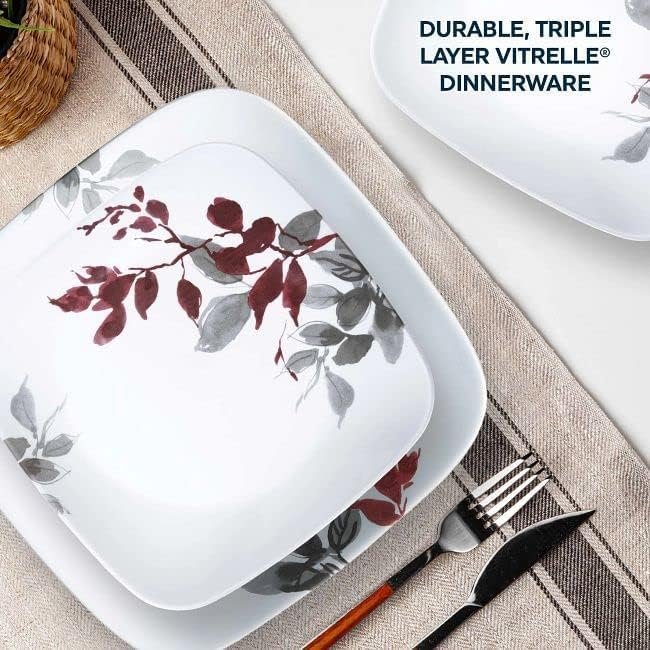
The result is a plate that’s significantly thinner than traditional ceramic or stoneware, while still holding up well to daily use. Vitrelle glass strengthens the dish from the inside out, which is why Corelle has built such a strong brand reputation over the years.
Lightweight and Thin Design
One of Corelle’s most appreciated traits is its slim profile. Plates and bowls stack tightly together, which saves an impressive amount of kitchen cabinet storage space. If you’re dealing with apartment living or a small kitchen, Corelle’s stackability is a genuine advantage.
You can store a full Corelle dinner plate’s worth of place settings in the space that standard ceramic dishes would take up.
Corelle’s Everyday Use Reputation
Corelle has earned its place as durable, family-friendly dinnerware that supports routine, everyday use. It’s microwave-safe, dishwasher-safe, and resistant to staining.
Families with kids, busy households, and people who simply want reliable dishes without overthinking it tend to gravitate toward Corelle for good reason.
What Is Melamine Dinnerware?
Melamine dinnerware is made from a plastic-based resin material called melamine resin — a durable thermosetting plastic that gets molded into shape and hardened.
Unlike Corelle’s glass construction, melamine forms dishware that’s completely shatterproof under normal handling conditions, which makes it a popular choice for specific settings.
Composition of Melamine Dishes
Melamine resin is a dense, hard plastic compound that forms the structural base of melamine dishes. Once molded and cured, it creates a rigid surface that resists breakage remarkably well.
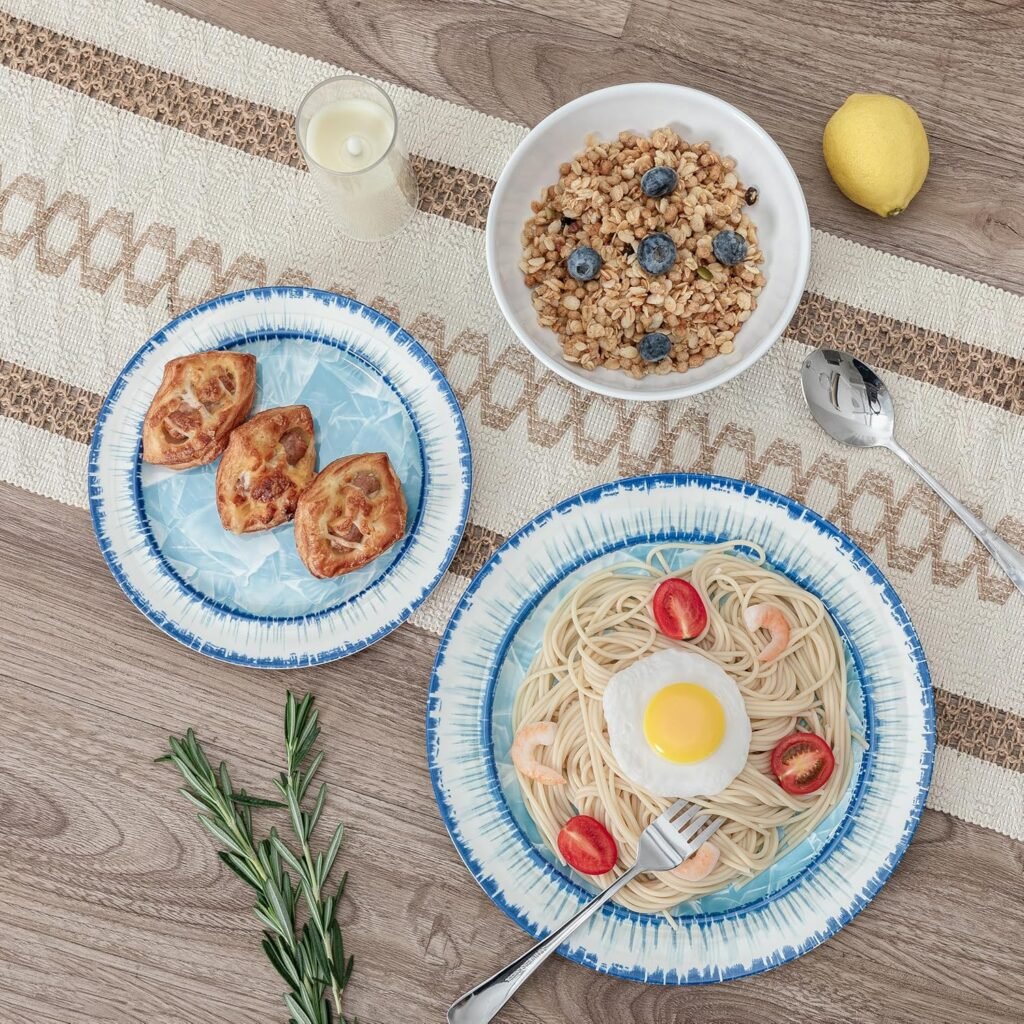
The manufacturing process produces a smooth, often glossy or matte finish that can hold colorful prints and patterns without much fading in early use.
Why Melamine Is Popular
Melamine is lightweight and highly break-resistant, which are two qualities that matter a lot depending on where and how you eat. Drop a melamine plate on tile, and it bounces.
Drop a glass plate, and you’re sweeping up shards. That break resistance is the core reason melamine supports outdoor use so well, and why it’s frequently recommended for families with young children.
Common Uses of Melamine Dinnerware
Melamine dinnerware thrives in outdoor dining environments — patio dining, poolside dining, picnics, camping, and RV dining. It survives travel, rough handling, and casual settings that would put glass-based dishes at risk.
It’s also a popular choice for kids’ meals in settings where dropping off is guaranteed.
Corelle vs Melamine Dinnerware Material Comparison
At the core of this comparison is a straightforward material difference: tempered glass versus plastic resin. Each material has specific strengths that make it better or worse depending on what you need from your dinnerware.
Tempered Glass vs Plastic Resin
Corelle’s Vitrelle glass is a glass product that improves durability through its laminated construction. Melamine resin is a synthetic polymer that forms dishware through a molding process.
Glass provides a non-porous, hygienic surface that resists bacteria and staining. Plastic resin provides structural flexibility that absorbs impact without cracking.
Thickness and Weight Differences
Both are lightweight dinnerware options, but they feel different in the hand. Corelle plates are noticeably thin, almost surprisingly so, while melamine dishes tend to have a slightly thicker profile that feels more substantial.
The tactile feel of each material influences how people perceive quality, even when both are genuinely durable.
Heat Resistance Comparison
Tempered glass handles heat well. Corelle is oven-safe up to 350°F and fully microwave-safe. Melamine resin, on the other hand, has clear limitations with high temperatures.
It’s not microwave-safe, and exposing it to high heat can cause chemical migration, a real concern when choosing dinnerware material for food safety.
Durability Comparison
Both materials are built to last, but they fail in different ways and under different conditions. Understanding those failure modes helps you choose the right one for your household.
Chip Resistance of Corelle
Corelle’s Vitrelle glass construction gives it better resistance to edge chipping compared to standard ceramic or stoneware. The tempered glass layers absorb minor impacts well.
However, Corelle can shatter under a strong, direct impact, particularly if dropped on a hard floor from a significant height.
Break Resistance of Melamine
Melamine is difficult to crack under normal impact. It’s genuinely shatterproof in everyday use, which is why it withstands rough handling so effectively.
This makes it the stronger choice for situations where breakage is likely — outdoor settings, children’s use, camping, and travel.
Long-Term Wear and Scratches
Over time, melamine surfaces are more susceptible to scratch resistance issues. Metal utensils, repeated dishwasher cycles on high heat, and abrasive cleaning can leave visible marks on melamine’s plastic surface.
Corelle’s glass surface holds up better to surface wear from utensils and maintains its appearance longer with proper care.
Weight and Handling Comparison
Lightweight Convenience of Corelle
Corelle’s thin-profile handling benefits are real and practical. Plates are easy to carry, stack, and store.
For anyone who values ease in the kitchen, reaching into a cabinet, setting the table quickly, washing up without strain, Corelle reduces handling effort in a way that adds up over daily use.
Lightweight Strength of Melamine
Melamine is also lightweight, but its strength lies in its durability under movement and impact. It’s ideal for outdoor use and children precisely because it combines low weight with true break resistance.
You can pack melamine dishes in a bag, toss them in an RV cabinet, or hand them to a toddler without worry.
Best Option for Elderly Users and Kids
Both materials are manageable for elderly users who benefit from lighter dishes. For children, melamine wins on safety — it won’t shatter if dropped, which removes a hazard entirely.
For elderly users who primarily eat indoors and use a microwave regularly, Corelle’s microwave safety and easy stackability make it the more practical option.
Safety Comparison
Safety is one of the most important factors to consider in this comparison, and it’s where the two materials differ most significantly.
Microwave Safety
Corelle is fully microwave-safe. You can reheat food directly in Corelle dishes without concern.
Melamine, by contrast, has a microwave restriction it’s generally not safe for microwave use because melamine resin may overheat, potentially causing chemical migration into food.
This is a hard limitation that should heavily influence your decision if you reheat food regularly.
Food Contact Safety
Corelle’s non-porous Vitrelle glass surface doesn’t absorb food residue or liquids, which makes it a hygienic choice. It’s also lead-free and cadmium-free, meeting standard food-safe material requirements.
Quality melamine products are also BPA-free and FDA-compliant under normal usage conditions, but the non-porous nature of glass gives Corelle a clear hygiene advantage.
Heat Exposure Concerns
Melamine’s biggest safety limitation is heat exposure. High temperatures — whether from a microwave or oven — can cause melamine resin to break down and release formaldehyde or other compounds into food.
This is why melamine is only top rack dishwasher safe and should never go in the microwave. These heat exposure concerns don’t apply to Corelle at typical household temperatures.
BPA and Chemical Concerns
Many consumers ask whether melamine products contain BPA. Most modern melamine dinnerware is marketed as BPA-free, and quality products meet FDA compliance standards.
However, plastic leaching remains a broader concern with any plastic-based dinnerware when exposed to high heat or acidic foods. Corelle’s glass composition eliminates these concerns.
Is Corelle Made of Melamine?
Quick Answer: No. Corelle is not made of melamine. Corelle dishes are made from Vitrelle, a proprietary triple-layer tempered glass material developed by Corelle Brands.
Melamine is a plastic-based resin compound used in a completely different category of dinnerware. While both are lightweight and popular for everyday dining, their materials, safety profiles, and performance characteristics are fundamentally different.
Corelle is microwave-safe and glass-based; melamine is not microwave-safe and is plastic-based.
If you want a deeper look at how Corelle compares with other glass-based cookware, check out this Corelle vs Corningware guide for a full material and usage breakdown.
Everyday Use Comparison
Best for Indoor Dining
For everyday kitchen and dining room use, Corelle is the stronger choice. It’s microwave-safe, dishwasher-safe, stain-resistant, and elegant enough for daily table settings.
Corelle supports routine use in a way that feels effortless: heat a plate in the microwave, bring it to the table, and toss it in the dishwasher. Done.
Best for Outdoor Dining
Melamine wins decisively for patio dining, picnic dining, and poolside dining. Its break resistance makes it the safe, practical choice where glass of any kind poses a risk.
Most public pools actually prohibit glass containers — melamine solves that problem without sacrificing a proper plate experience.
Best for RVs and Camping
For RV dining and camping dinnerware, melamine’s portability and break resistance make it the go-to. It survives the bumps and movements of travel, stores compactly, and withstands the kind of casual, rough handling that outdoor dining involves.
Corelle is also lightweight and stackable for travel, but its glass construction makes it more vulnerable on the road.
Best for Families With Children
Families with young children benefit most from melamine’s shatterproof durability. Kids drop plates constantly. Melamine resists breaking under those conditions and reduces injury risk from shattered glass.
That said, if your children are older and you microwave their food regularly, Corelle is worth reconsidering for its microwave safety advantage.
Storage and Space Efficiency
Stackability of Corelle
Corelle’s thin profile makes it one of the most compact-storing dinnerware options available. Plates stack neatly and take up minimal kitchen cabinet storage space.
For small kitchens or anyone trying to maximize cabinet space, Corelle’s stackability is a practical win.
Storage Benefits of Melamine
Melamine dishes also stack well, and their lightweight construction makes them easy to move and rearrange. They’re slightly bulkier than Corelle per plate, but the difference is minor in practice.
For camping and RV storage, melamine’s durability during transport outweighs any slight size difference.
Best for Small Kitchens
For genuinely small kitchens where space is at a premium, Corelle edges out melamine on pure storage efficiency. The thinner profile means more plates in less space, which matters when every inch of cabinet space counts.
Cleaning and Maintenance Comparison
Dishwasher Safety
Corelle is fully dishwasher-safe on any rack. Melamine is top rack dishwasher safe, but only high heat from the bottom rack can warp or damage melamine dishes over time.
This is a minor but real maintenance difference that affects long-term appliance compatibility.
Stain Resistance
Corelle’s non-porous glass surface resists staining well. Tomato sauce, coffee, and turmeric-based dishes rinse off cleanly. Melamine’s plastic surface can absorb staining over time, especially with highly pigmented or acidic foods.
Stain resistance is a clear point in Corelle’s favor for long-term appearance maintenance.
Scratch and Utensil Mark Resistance
Melamine surfaces scratch more easily from metal utensils and abrasive cleaning. Corelle’s glass surface holds up better to everyday utensil contact.
Avoiding steel wool or harsh scrubbers extends the life of both materials, but glass-based Corelle naturally preserves its finish longer under normal use.
Design and Aesthetic Comparison
Corelle’s Minimalist and Modern Designs
Corelle dishes have a clean, elegant look that lends itself to minimalist design and modern dining aesthetics. The thin glass profile gives them a refined appearance that doesn’t feel casual or cheap.
White with subtle patterns is Corelle’s signature style, and it coordinates well with a range of kitchen decor.
Melamine’s Casual and Colorful Styles
Melamine leans into colorful dinnerware and patterned dinnerware with bold prints and cheerful designs. This makes it well-suited for casual dining settings, outdoor entertaining, and kid-friendly tables where personality and fun matter more than formal elegance.
Formal vs Casual Dining Appeal
If you’re setting a table for guests or want your everyday dishes to feel put-together, Corelle handles that better.
If you’re hosting a backyard barbecue or a casual outdoor gathering, melamine’s colorful styles fit the atmosphere and eliminate any worry about breakage around guests.
Cost and Value Comparison
Price Range Differences
Melamine is generally the more budget-friendly option upfront. A full melamine set often costs less than a comparable Corelle set.
However, Corelle’s longer lifespan and better surface durability often make it the better long-term value, despite the higher initial price point.
Replacement Frequency
Melamine surfaces scratch and stain over time, which may lead to earlier replacement. Corelle dishes, if they don’t shatter from a strong impact, tend to maintain their appearance much longer.
Longevity considerations favor Corelle for households that want to buy once and keep dishes for years.
Value for Different Households
Melamine makes sense for households that need outdoor-specific or travel dinnerware without a major investment.
Corelle makes sense as the primary everyday dinnerware for indoor use, where its durability, microwave safety, and appearance retention justify the cost over time.
Common Problems With Each Material
Corelle Breakage Characteristics
Corelle’s main weakness is how it breaks. Unlike ceramic, which chips or cracks, Corelle can shatter into multiple pieces when it hits a hard surface at the wrong angle.
The good news is that the shards are typically larger and less sharp than regular glass. Still, if you have small children or pets running through the kitchen, it’s worth keeping in mind.
Melamine Surface Scratching
Melamine’s primary long-term issue is surface scratching. Repeated use of metal utensils, stacking with abrasive surfaces, and high-heat dishwasher cycles all contribute to gradual surface wear that leaves melamine looking older faster than Corelle.
Color fading on printed surfaces is also more noticeable on melamine over time.
Heat Damage Risks in Melamine
Putting melamine in the microwave or exposing it to oven-level heat is a real risk, not just a theoretical one. Heat damage can warp the dish, degrade the surface, and raise legitimate food safety concerns.
These high-temperature limitations are non-negotiable with melamine and shouldn’t be ignored.
Best Choice Based on Lifestyle
Best for Everyday Indoor Dining
Corelle is the clear winner for everyday indoor dining. Microwave safety, dishwasher convenience, stain resistance, and elegant design all point to Corelle as the most practical everyday dinnerware for kitchens and dining rooms.
Best for Outdoor and Poolside Use
Melamine wins for outdoor and poolside use without question. Its durable, break-resistant performance is purpose-built for settings where glass doesn’t belong. Colorful, casual, and shatterproof — melamine is outdoor dining’s best fit.
Best for Families With Young Children
Melamine is the safer handling choice for homes with toddlers and young children. The complete absence of breakage risk removes a genuine hazard.
As kids get older and microwave use increases, transitioning to Corelle becomes a natural upgrade.
Best for RV and Travel Use
For portable and lightweight storage in RVs, campers, and travel situations, melamine is the practical choice. It handles bumps, movement, and compact packing better than glass-based dinnerware.
Common Buying Mistakes to Avoid
Ignoring Microwave Compatibility
The most common buying mistake is underestimating how much microwave use matters. If you reheat food daily which most households do, buying melamine means heating food in a separate container every time.
That’s an inconvenience that compounds quickly. Always factor in microwave compatibility before making a decision.
Choosing Based Only on Price
Budget alone is a poor guide for dinnerware. A cheaper melamine set that scratches and stains within a year isn’t better value than Corelle that lasts a decade.
Long-term functionality matters more than the upfront price point, especially for primary everyday dinnerware.
Not Considering Usage Environment
Indoor versus outdoor dining needs are genuinely different. Buying melamine as your only dinnerware because it’s cheaper, when you primarily eat indoors and use a microwave, is a mismatch.
Buying Corelle for camping trips is equally impractical. Match the material to the environment.
Which Dinnerware Option Is Better?
When Corelle Is the Better Choice
Corelle is the better choice for everyday indoor use, microwave convenience, stain resistance, and long-term durability. If your dining is primarily at a kitchen table, you reheat leftovers regularly, and you want dishes that look good for years, Corelle serves those needs better.
When Melamine Is the Better Choice
Melamine is the better choice for outdoor dining, travel, families with very young children, and any situation where glass, even tempered glass, poses a practical risk. Its child-friendly durability and outdoor-friendly break resistance are unmatched for those use cases.
Choosing Based on Personal Lifestyle
The honest answer is that many households benefit from having both. Corelle for the everyday dining table, melamine for the patio, camping, and kids.
But if you need just one, let your household habits and dining environment decide, not the price tag or marketing.
Final Thoughts
Corelle and melamine dinnerware aren’t competing for the same job; they’re built for different lifestyles and different moments.
Corelle excels in lightweight elegance, microwave safety, and indoor practicality, making it the go-to for daily kitchen use.
Melamine stands out for break resistance and outdoor-friendly durability, making it the right call for patios, travel, and toddler-proof dining.
The best dinnerware isn’t the most expensive or the most popular it’s the one that fits how your household actually eats.
Choose based on your daily usage habits, your dining environment, and what safety features matter most to you. Get that right, and you’ll never need to guess again.
About the Author & Reviewer
Sarah Emirone, Author
Sarah researches and writes SafeKitchn’s dinnerware and kitchenware guides, with a focus on material safety, lead content, and manufacturer specifications. She cross-references product data sheets, safety certifications, and regulatory filings (including FDA and Prop 65 records) before publishing, and updates articles when new information becomes available.
James Daniels, Reviewer
James reviews SafeKitchn’s material safety content for scientific accuracy. He holds a B.Sc in inorganic chemistry and works as a materials researcher, with particular focus on the composition and safety behavior of glass, ceramic, and metal used in kitchenware.