

Where your dinnerware comes from matters more to buyers today than it did a decade ago.
Questions about safety standards, manufacturing quality, and country-of-origin labeling come up regularly, and Mikasa is one of the brands people ask about most.
Is Mikasa made in China? The short answer is: many Mikasa products are. But the full picture is a little more complex than a simple yes or no.
Mikasa is a globally recognized tableware brand with a long history and a broad product range that spans bone china, porcelain, stoneware, and crystal glassware.
Where each piece is made depends on the collection, the material, and the production line involved.
Written by Sarah Emirone | Reviewed by James Daniels, B.Sc, Inorganic Chemist & Materials Researcher | Updated September 2026 | See How We Test | Filed under: Origin & Manufacturing
What Is Mikasa?
Overview of the Mikasa Brand
Mikasa has been a recognized name in tableware since the 1940s, building its reputation on stylish, well-made dinnerware that bridges the gap between everyday practicality and formal elegance.
The brand became particularly prominent in the American market through department store partnerships and wedding registry programs, where its dinner sets and crystal glassware were a consistent fixture for decades.
Mikasa is known for combining refined aesthetics with accessible pricing — not quite luxury fine china, but a clear step above basic discount dinnerware.
That positioning has made it a reliable choice for households that want attractive, durable tableware without committing to heirloom-level prices.
Types of Products Sold by Mikasa
Mikasa markets a wide range of dining and tableware products. The core lineup includes porcelain dinnerware sets, bone china collections, stoneware for more casual everyday use, crystal glassware for formal table settings, and flatware to complete place settings.
Many collections are sold as coordinated multi-piece dinner sets, though open stock pieces are also available for replacing individual items.
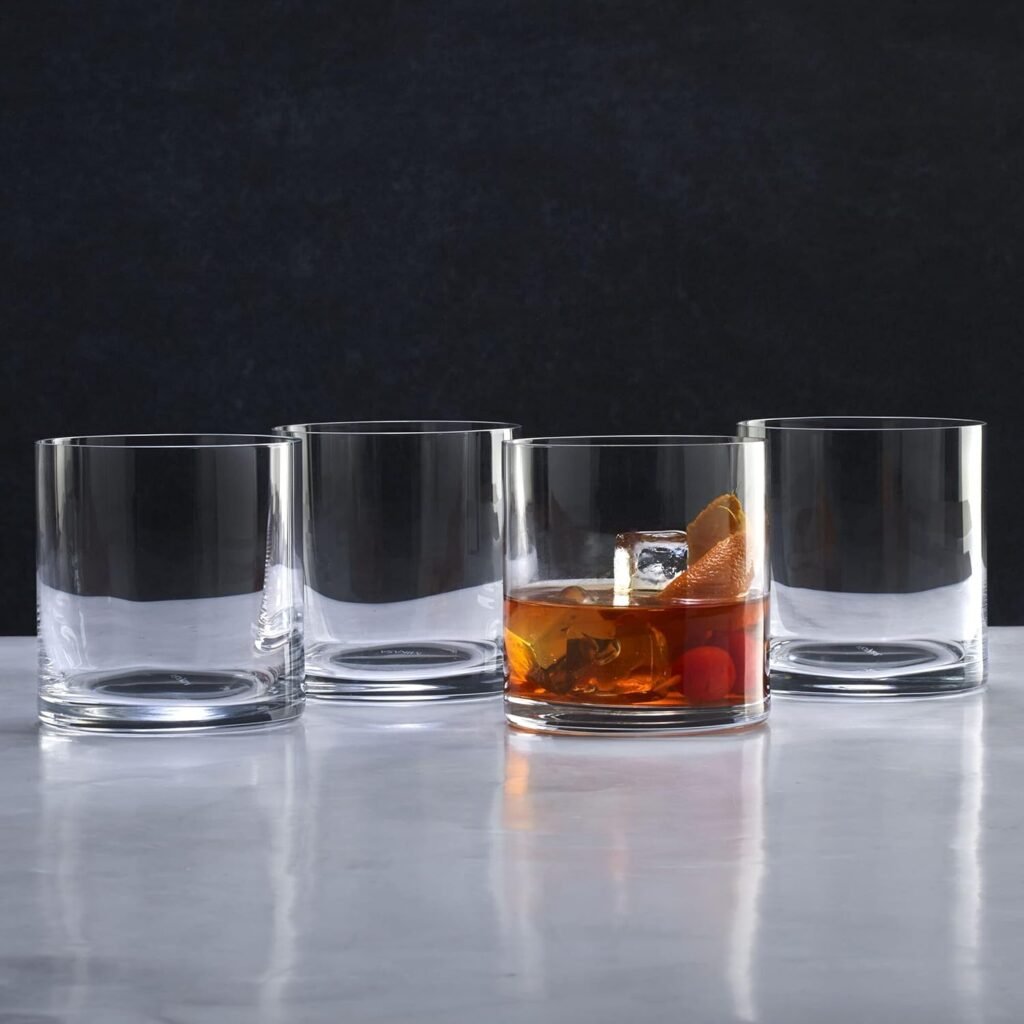
The brand also produces serveware platters, serving bowls, and accessories that complement its core dinnerware lines.
This variety means Mikasa products span everything from formal dining occasions to relaxed family meals, which is part of what has made it such a consistently recognizable household brand.
Why Mikasa Became Popular
Mikasa’s popularity grew significantly through its presence in major department stores and its strong positioning as a wedding registry brand.
For many American households, Mikasa was the dinnerware you received as a gift and then kept for years. The brand earned that loyalty through elegant designs that suited both modern minimalist table settings and more traditional formal dining aesthetics.
Collections like Mikasa Italian Countryside and Mikasa Antique White became household names in their own right.
The combination of attractive patterns, consistent quality, and wide retail availability through stores like Macy’s helped cement Mikasa’s place as one of the most recognized dinnerware brands in the American market.
Is Mikasa Made in China?
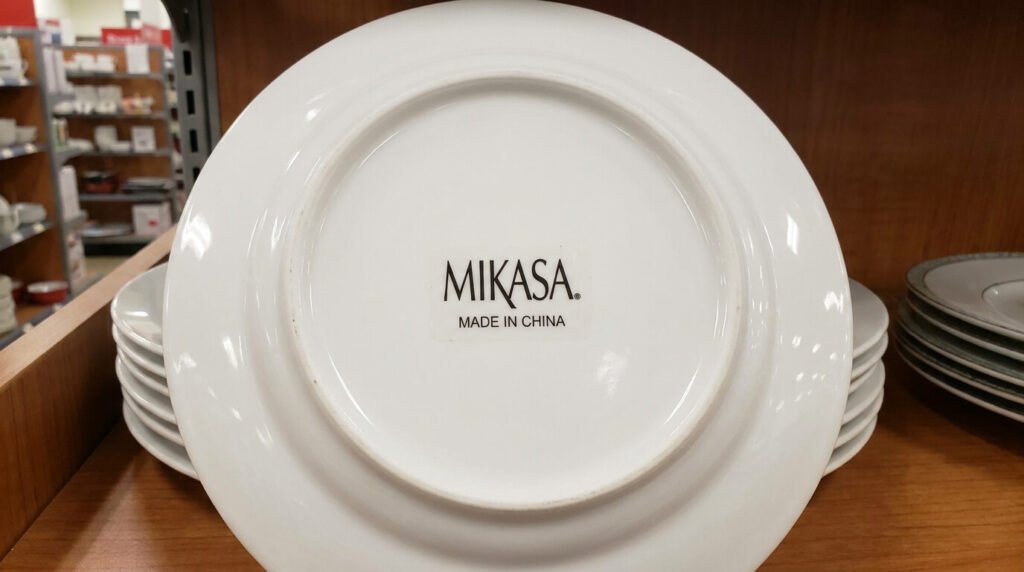
Yes, a significant portion of Mikasa’s current product range is manufactured in China.
This is true of many well-known dinnerware brands operating today. China has become the dominant global producer of ceramic dinnerware, including porcelain and stoneware, and Mikasa sources production from Chinese factories for much of its lineup.
This doesn’t mean every Mikasa piece comes from China, but if you pick up a modern Mikasa dinner set from a retail shelf or an online listing, there’s a strong likelihood the country-of-origin label will read “Made in China.”
Understanding why that’s the case requires a look at how global dinnerware manufacturing has evolved.
Why Mikasa Uses Overseas Manufacturing
The shift toward overseas manufacturing — and China in particular — reflects broader trends across the global consumer goods industry.
China’s ceramics manufacturing infrastructure is extensive, with deeply developed expertise in porcelain production, kiln firing, and ceramic glazing at scale.
The cost efficiency of Chinese manufacturing makes it possible to produce large volumes of dinnerware at price points that meet mass-market retail expectations.
For a brand like Mikasa, which needs to supply major department stores and online retailers at competitive price points, outsourcing manufacturing to Chinese factories through OEM arrangements is a practical necessity rather than a corner-cutting measure.
The global supply chain reality is that most tableware brands operate this way.
Are All Mikasa Products Made in China?
Not necessarily. Mikasa’s production varies by collection, material, and product line.
While a large share of current production is based in China, some specialty collections, particularly older or premium lines, have been manufactured in other countries, including Portugal, Japan, and Indonesia, depending on the era and the specific product.
The brand’s history spans multiple decades and ownership changes, meaning its sourcing has shifted over time. Bone china production, for example, has been associated with different manufacturing regions at different points in Mikasa’s history.
The safest way to know where a specific Mikasa piece was made is to check the product itself rather than assume.
How to Check Where Mikasa Products Are Made
The most reliable way to confirm where a Mikasa product was manufactured is to look at the back stamp on the base of the piece.
Mikasa back stamps typically include the brand name, collection name, and country-of-origin marking.
On modern pieces, this will often read “Made in China.” Product packaging and retail listings also carry origin information; both physical box labels and online product descriptions are required by FTC origin standards to disclose manufacturing location.
For vintage Mikasa pieces purchased secondhand, the back stamp is your best reference, as older pieces may carry markings from Japan or other countries that reflect earlier production arrangements.
Is Mikasa a Japanese Brand?
Origins of the Mikasa Name
The name Mikasa has Japanese roots — “Mikasa” refers to a mountain in Nara, Japan, and the name carries cultural associations with Japanese heritage.
This leads many buyers to assume Mikasa is a Japanese company or that its products are made in Japan. The name does reflect the brand’s origins and early aesthetic influences, but it doesn’t accurately describe where the company is headquartered today or where its products are currently manufactured.
The Japanese-sounding name has contributed to some consumer confusion about the brand’s identity, particularly among buyers who associate Japanese craftsmanship with premium ceramic and porcelain tableware quality.
Brand Ownership and Company History
Mikasa was founded in the 1940s with ties to the Japanese textile and trading industries, but it evolved into an American-market-focused tableware company over subsequent decades.
The brand has changed ownership multiple times, and today it operates under the umbrella of a larger consumer goods company rather than as an independent Japanese entity.
Its primary market has long been the United States, where it built its brand identity through department store distribution and wedding registry programs.
The corporate history of Mikasa is distinctly international; it’s not a Japanese brand in the way that Noritake is, even though both companies produce porcelain dinnerware and share some aesthetic DNA.
Japanese Design Influence vs Manufacturing Location
Even if Mikasa isn’t manufactured in Japan today, the influence of Japanese design sensibility is visible in parts of its product range, particularly in cleaner lines, restrained color palettes, and an emphasis on refined simplicity in some collections.
Japanese design influence and Japanese manufacturing are two different things, though, and it’s worth separating them. A product can draw aesthetic inspiration from Japanese craft traditions while being physically produced in Chinese factories using Chinese raw materials.
For Mikasa, the design identity has always leaned toward elegant, globally appealing aesthetics rather than being strictly tied to any single national design tradition.
Global Distribution and Production
Mikasa distributes its products globally, with particularly strong market presence in the United States, Canada, and other English-speaking markets. Its production is sourced internationally, with China being the primary manufacturing base for current product lines.
This global distribution and production model is standard for consumer tableware brands of Mikasa’s scale.
The brand is sold through major retail channels, including department stores, kitchenware retailers, and online platforms.
International distribution doesn’t change the country-of-origin status of individual products; each piece carries its own manufacturing location based on where it was actually produced, regardless of where the brand is headquartered or where it’s sold.
Does Made in China Affect Mikasa Quality?
Manufacturing Standards and Quality Control
The assumption that “Made in China” automatically means lower quality is outdated and doesn’t reflect the current reality of China’s ceramics manufacturing industry.
China has been producing fine porcelain for centuries — the city of Jingdezhen has been a center of Chinese porcelain craftsmanship for over a thousand years.
Modern Chinese factories producing for international brands like Mikasa operate under strict factory quality control requirements set by the brand.
Mikasa, like other established dinnerware brands, maintains product specifications and quality standards that its manufacturing partners are expected to meet.
The country of manufacture alone doesn’t determine quality: the brand’s standards and oversight do.
Materials Used in Mikasa Dinnerware
Mikasa uses a range of ceramic materials depending on the collection. Porcelain dinnerware made from refined kaolin clay fired at high temperatures produces a smooth, translucent finish suitable for both everyday and formal use.
Bone china adds bone ash to the clay body, creating an even lighter, more translucent material with a distinctive warm white tone.
Stoneware is denser and more rustic, making it well-suited to casual everyday dining. The quality of the finished product depends on the material composition, kiln firing process, and ceramic glazing quality, all of which are governed by Mikasa’s product specifications, regardless of where manufacturing takes place.
Durability and Everyday Performance
In practice, Mikasa dinnerware performs well for everyday household use. The porcelain and bone china lines are dishwasher-safe dinnerware in most cases, which is a genuine convenience for daily use.
Stoneware collections are often both dishwasher-safe and microwave-safe dishes, making them flexible for modern kitchen routines.
The durability of Mikasa pieces is consistent with what you’d expect from mid-range tableware — not as chip-resistant as Corelle’s Vitrelle glass, and not as delicate as ultra-thin fine china.
For a family that wants attractive, practical dinnerware that holds up through regular use and dishwasher cycles, Mikasa delivers reliable everyday performance regardless of where it was manufactured.
Consumer Perception of Imported Dinnerware
Consumer perception of imported dinnerware has shifted considerably over the past two decades.
While some buyers still associate overseas manufacturing with lower quality, many others have come to recognize that global production is the standard for most consumer goods brands.
Product quality perception is shaped more by brand reputation, material quality, and individual experience than by manufacturing location alone.
Mikasa has maintained a broadly positive reputation among consumers despite its shift to a predominantly Chinese manufacturing base.
Reviews of current Mikasa products consistently note good construction quality, attractive designs, and reliable performance, suggesting that the brand’s quality control standards have translated effectively to its overseas production model.
Mikasa Dinnerware Materials
Bone China
Bone china is Mikasa’s premium material tier. It’s made by adding bone ash, traditionally calcined cattle bone, to the porcelain clay body, which produces a material that’s noticeably lighter, more translucent, and brighter white than standard porcelain.
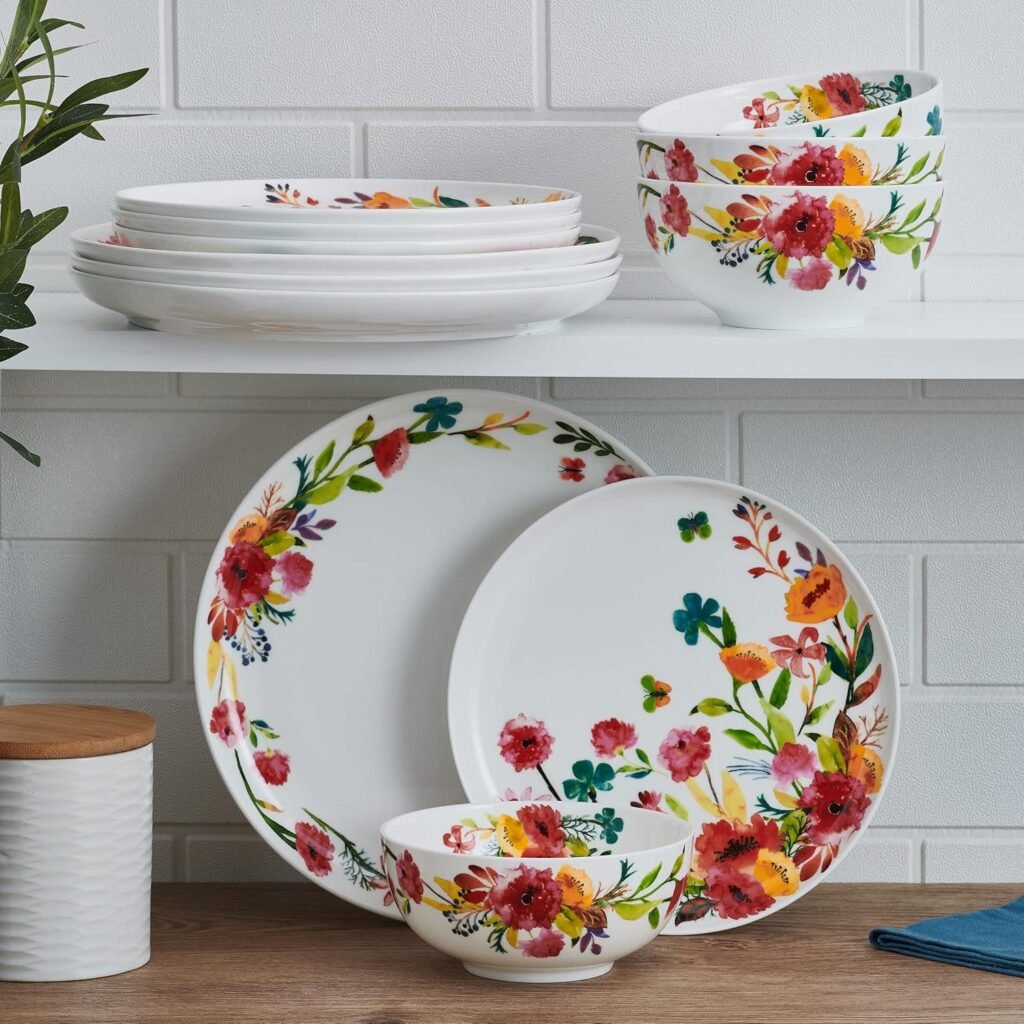
Mikasa’s bone china collections are typically positioned as fine china for formal dining and special occasions. The material is elegant and refined, but it does require more careful handling than stoneware.
Most Mikasa bone china is dishwasher-safe, though hand washing is recommended for pieces with decorative metallic accents, which can degrade in the dishwasher over time.
Porcelain
Porcelain sits in the middle of Mikasa’s material range — more refined than stoneware but more robust and less translucent than bone china.
It’s fired at high temperatures from refined kaolin clay, producing a smooth, dense surface that resists staining and holds up well through everyday use.
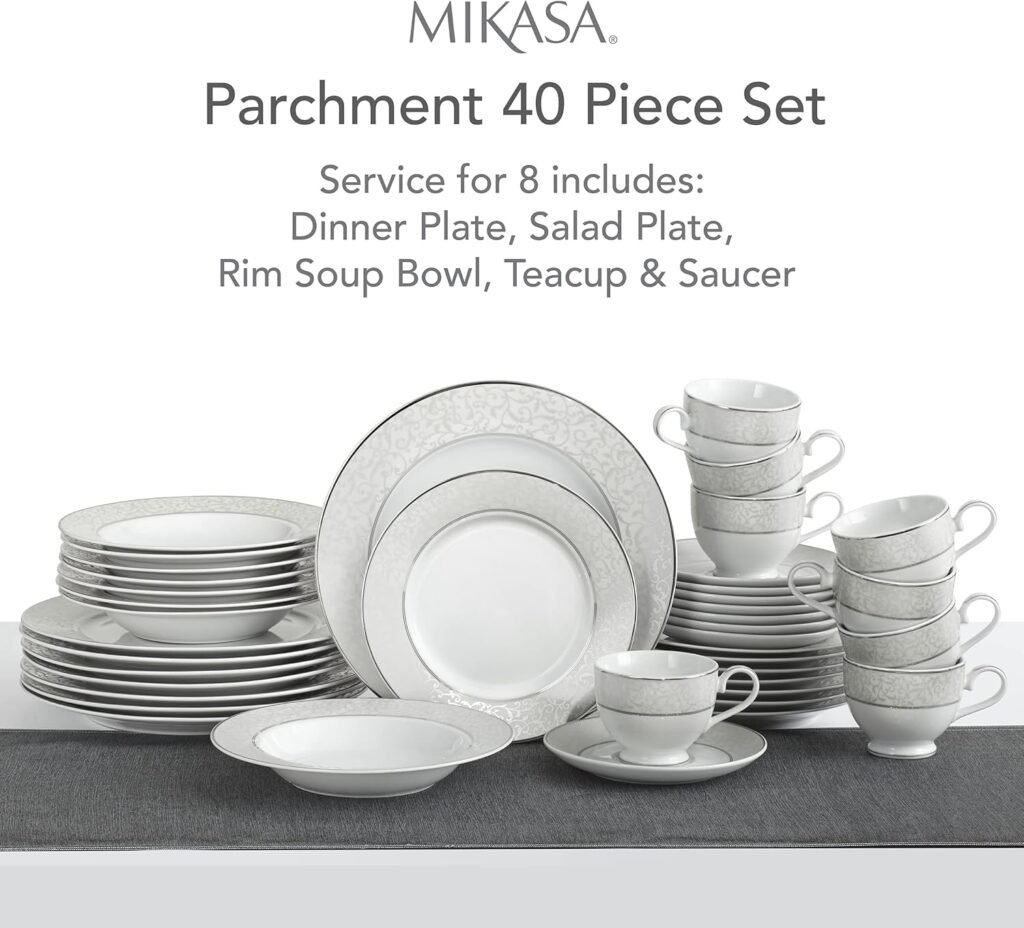
Porcelain dinnerware is Mikasa’s most broadly produced material category, covering both casual and formal collections. It’s a versatile material that suits a wide range of table settings and dining styles.
Most Mikasa porcelain pieces are dishwasher-safe and chip-resistant enough for regular family use, making them practical without sacrificing the clean, polished appearance the brand is known for.
Stoneware
Stoneware is Mikasa’s most casual material, denser, heavier, and more textured than porcelain or bone china. It’s fired at lower temperatures and typically has a more rustic, earthy aesthetic that suits informal dining.
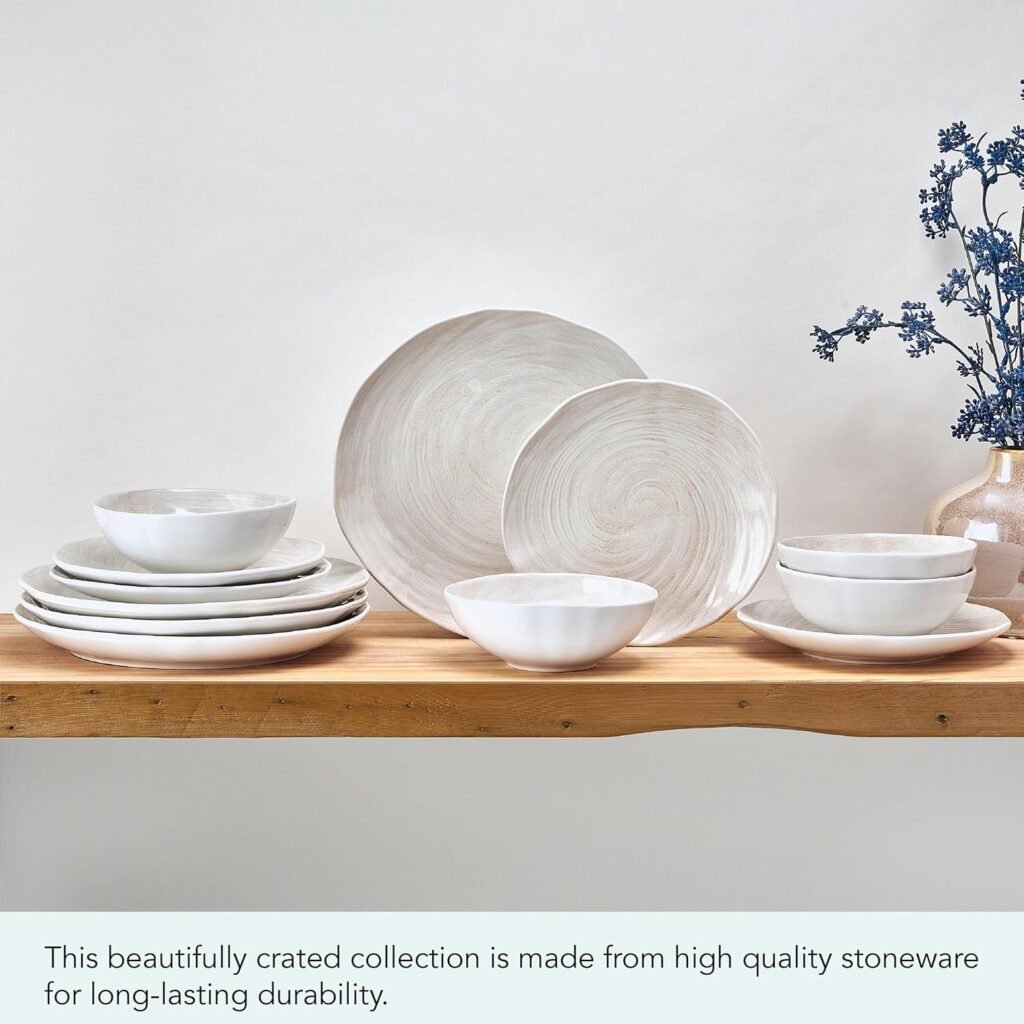
Mikasa’s stoneware collections, like Italian Countryside, have been consistently popular for their warm, relaxed character. Stoneware is generally oven-safe, microwave-safe, and dishwasher-safe, making it highly practical for everyday kitchen use.
The thicker construction also gives it good heat retention for serving. For households that want attractive everyday tableware with maximum kitchen flexibility, Mikasa’s stoneware lines offer a durable, versatile option.
Crystal Glassware
Mikasa also produces crystal glassware — wine glasses, stemware, and barware designed for formal table settings and entertaining.
Mikasa crystal is recognized for its clarity and elegant design, and it has been a popular choice for wedding registries and gift purchases.
Read our guide on Is Mikasa Crystal or Glass? If you want a detailed breakdown of how Mikasa’s crystal products are classified and what distinguishes them from standard glassware.
The crystal line complements Mikasa’s ceramic dinnerware collections and is designed to coordinate with its formal tableware ranges for complete, cohesive table presentations.
Which Mikasa Material Is Best?
The best Mikasa material depends entirely on how you plan to use it.
Bone china is the right choice for formal dining and special occasions where elegance is the priority. Porcelain covers the middle ground, well-refined enough for guests, practical enough for everyday use.
Stoneware is the best fit for casual family dining where durability and oven-to-microwave flexibility matter most. Crystal glassware is best reserved for entertaining and formal settings.
For most households, a combination of Mikasa stoneware or porcelain for daily use paired with crystal glassware for entertaining covers all the practical bases without overcomplicating the kitchen.
How Mikasa Compares to Other Dinnerware Brands
Mikasa vs Corelle
Mikasa and Corelle serve different niches in the dinnerware market. Corelle, made from Vitrelle laminated glass, is significantly lighter and more chip-resistant than Mikasa’s ceramic lines. It’s engineered for durability and everyday practicality above all else.
Mikasa offers a broader aesthetic range and a more premium look, particularly in its bone china and porcelain collections, but it’s heavier and less chip-resistant than Corelle.
If your priority is maximum durability and low maintenance for daily family dining, Corelle has the edge. If you want more elegant, visually refined tableware that still performs well day-to-day, Mikasa is the stronger choice.
For a more comprehensive comparison, read our guide on Corelle vs Mikasa dinnerware.
Mikasa vs Lenox
Lenox is an American luxury dinnerware brand that positions itself firmly in the premium fine china category, above Mikasa in price and formality.
Lenox bone china is generally considered a step up in prestige and price from Mikasa’s equivalent lines. Both brands are popular in the wedding registry space, and both offer formal and casual collections.
Mikasa offers better value for buyers who want refined tableware without the full investment of a luxury brand. Lenox is the better choice if prestige and heirloom quality are the primary considerations.
For everyday elegant dining at a more accessible price point, Mikasa delivers comparable aesthetics at a lower cost.
Mikasa vs Noritake
Noritake is a Japanese fine china and porcelain dinnerware company with a long manufacturing heritage, producing genuinely Japanese-made premium tableware.
Comparing Mikasa and Noritake highlights the distinction between a brand with Japanese heritage currently manufacturing primarily in China and a brand that has maintained stronger ties to Japanese porcelain production traditions.
Noritake is generally positioned at a similar or slightly higher price tier to Mikasa, with a reputation particularly strong in formal fine china.
Both are solid choices for quality tableware, but buyers who specifically value Japanese manufacturing provenance will find Noritake a more authentic option in that regard.
Mikasa vs Pfaltzgraff
Pfaltzgraff is an American stoneware brand with a long history in casual, rustic-style dinnerware.
Compared to Mikasa, Pfaltzgraff sits more firmly in the casual everyday tableware category. Its stoneware aesthetic is earthy and informal, whereas Mikasa’s stoneware lines, like Italian Countryside, occupy a similar space but with a slightly more polished presentation.
Both brands are comparable in price within their respective stoneware ranges, and both are widely available through major retailers.
The choice between them often comes down to aesthetic preference: Pfaltzgraff for a more distinctly American rustic style, Mikasa for a slightly more refined casual look.
Is Mikasa Dinnerware Safe?
Lead-Free and Food-Safe Standards
Modern Mikasa dinnerware is manufactured to meet current food-safe standards and is marketed as lead-free. The FDA regulates food contact standards for tableware sold in the United States, and Mikasa’s current product lines comply with those requirements.
The ceramic glazing used on modern Mikasa pieces is food-safe and doesn’t leach harmful materials into food under normal use conditions.
As with most tableware brands, the relevant safety considerations for modern Mikasa products are minimal.
The materials and manufacturing processes used in current production are well-regulated and consistent with industry safety standards for household dinnerware.
Microwave and Dishwasher Safety
Most current Mikasa dinnerware is designed for both microwave and dishwasher use, though the specific guidelines vary by collection and material. Porcelain and stoneware pieces are generally fully dishwasher-safe and microwave-safe.
Bone china pieces with metallic accents — gold or platinum rim decoration — should be hand-washed and kept out of the microwave, as metal elements can be damaged by dishwashers and are unsafe in microwaves.
Always check the specific care instructions for your Mikasa collection rather than assuming all pieces carry the same guidelines.
The care information is typically found on the product packaging or the Mikasa brand website.
Safety Concerns With Vintage Mikasa Pieces
Vintage Mikasa pieces, particularly those produced before modern lead-free standards were widely adopted, may carry some safety considerations worth knowing.
Older ceramic glazes and decorative paints sometimes contained lead or cadmium, which are now regulated out of modern production. If you’re using vintage Mikasa dinnerware regularly for food, inspect the decorative surfaces carefully.
Pieces with cracked, worn, or flaking decoration pose more of a concern than pieces with intact glazing.
For collector purposes or occasional display use, vintage Mikasa is perfectly fine. For daily food contact, modern pieces are the safer choice if you have any concerns about older glaze compositions.
Everyday Use Recommendations
For everyday use, Mikasa dinnerware is a practical and safe choice when used according to its care guidelines. Use dishwasher-safe pieces in the dishwasher, but avoid harsh abrasive cleaners that can damage glazed surfaces over time.
Follow microwave guidelines specific to your collection when in doubt; avoid microwaving pieces with metallic decoration.
Store dishes carefully to avoid chipping; stacking without protective padding between pieces can lead to surface scratches over time, particularly with finer bone china.
Treat Mikasa dinnerware with reasonable everyday care, and it will perform reliably for years. It’s not the most indestructible tableware on the market, but it’s well-suited to normal household dining use.
How to Identify Authentic Mikasa Products
Understanding Mikasa Back Stamps
Mikasa back stamps are the most reliable way to identify and authenticate Mikasa pieces, whether modern or vintage.
Every genuine Mikasa piece carries a back stamp on the base that includes the Mikasa brand name, typically the pattern or collection name, and other production details.
The style and format of back stamps have changed over Mikasa’s history, so vintage pieces may carry different stamp designs than current production. Collectors and secondhand buyers use backstamp variations to date pieces and verify authenticity.
Familiarizing yourself with Mikasa’s back-stamp history is the most useful skill for anyone buying vintage Mikasa through estate sales, auctions, or resale platforms.
Country-of-Origin Markings
Country-of-origin markings on Mikasa products are required by FTC origin standards and appear either as part of the back stamp or as a separate marking on the base of each piece.
Modern Mikasa pieces will typically display “Made in China” as the country-of-origin label. Vintage pieces may show “Made in Japan,” “Made in Portugal,” or other countries depending on when and where they were produced.
For buyers specifically interested in pieces from a particular manufacturing country, the origin marking on the base is the definitive reference.
Online retail listings are also required to disclose the country of origin, making it easy to check before purchasing.
Vintage vs Modern Mikasa Collections
Distinguishing vintage from modern Mikasa comes down to back stamp style, pattern name, and material characteristics.
Vintage Mikasa pieces, generally those produced before the 1990s, often show back-stamp fonts and formats that differ noticeably from current production.
Vintage Corelle patterns like Butterfly Gold have their equivalent in vintage Mikasa china patterns that are equally recognizable to collectors.
Modern Mikasa collections use updated branding, cleaner stamp formats, and often include specific care icons alongside the country-of-origin label.
If you’re buying from a resale source and the seller describes a piece as vintage, checking the back stamp format against known Mikasa stamp history is the most reliable verification method.
Avoiding Counterfeit Dinnerware
Counterfeit or misrepresented dinnerware is more common in the vintage resale market than in mainstream retail.
Buying current Mikasa products from established retailers, major department stores, authorized online sellers, or the Mikasa brand directly carries essentially no risk of counterfeit products.
The risk increases in secondhand markets where pieces may be misidentified, mislabeled, or sold as Mikasa when they’re actually generic imports with similar aesthetics.
When buying vintage Mikasa, rely on the back stamp as your primary authentication tool. Genuine Mikasa pieces have consistent, well-printed stamps. Vague or absent back markings on a piece sold as Mikasa warrant closer scrutiny before purchase.
Conclusion
So, is Mikasa made in China? For most current product lines, yes. Mikasa manufactures a significant portion of its dinnerware in China as part of its global production operations, a model that’s standard across the tableware industry and doesn’t inherently compromise product quality.
The brand maintains consistent quality standards across its bone china, porcelain, stoneware, and crystal glassware ranges.
Where a piece is made tells you less about its quality than what it’s made from and how the brand manages its manufacturing partnerships.
For buyers focused on quality, performance, and design, Mikasa continues to deliver reliable tableware regardless of where the production takes place.
About the Author & Reviewer
Sarah Emirone, Author
Sarah researches and writes SafeKitchn’s dinnerware and kitchenware guides, with a focus on material safety, lead content, and manufacturer specifications. She cross-references product data sheets, safety certifications, and regulatory filings (including FDA and Prop 65 records) before publishing, and updates articles when new information becomes available.
James Daniels, Reviewer
James reviews SafeKitchn’s material safety content for scientific accuracy. He holds a B.Sc in inorganic chemistry and works as a materials researcher, with particular focus on the composition and safety behavior of glass, ceramic, and metal used in kitchenware.