

If you’ve been shopping for new dishes, chances are you’ve come across two familiar names: Corelle and Mikasa.
Both have built strong reputations, but they serve very different households. In the Corelle versus Mikasa debate, the divide is clear: one brand is built for everyday convenience, the other for elevated table presentation.
Corelle is widely known for its lightweight, durable dinnerware that holds up in busy family kitchens. Mikasa is associated with premium aesthetics and formal dining.
This guide breaks down both brands across materials, durability, weight, design, price, and everyday use so you can choose what actually fits your lifestyle.
Written by Sarah Emirone | Reviewed by James Daniels, B.Sc, Inorganic Chemist & Materials Researcher | Updated September 2026 | See How We Test | Filed under: Brand & Product Comparisons
Overview of Corelle Dinnerware
What Corelle Is Made Of?
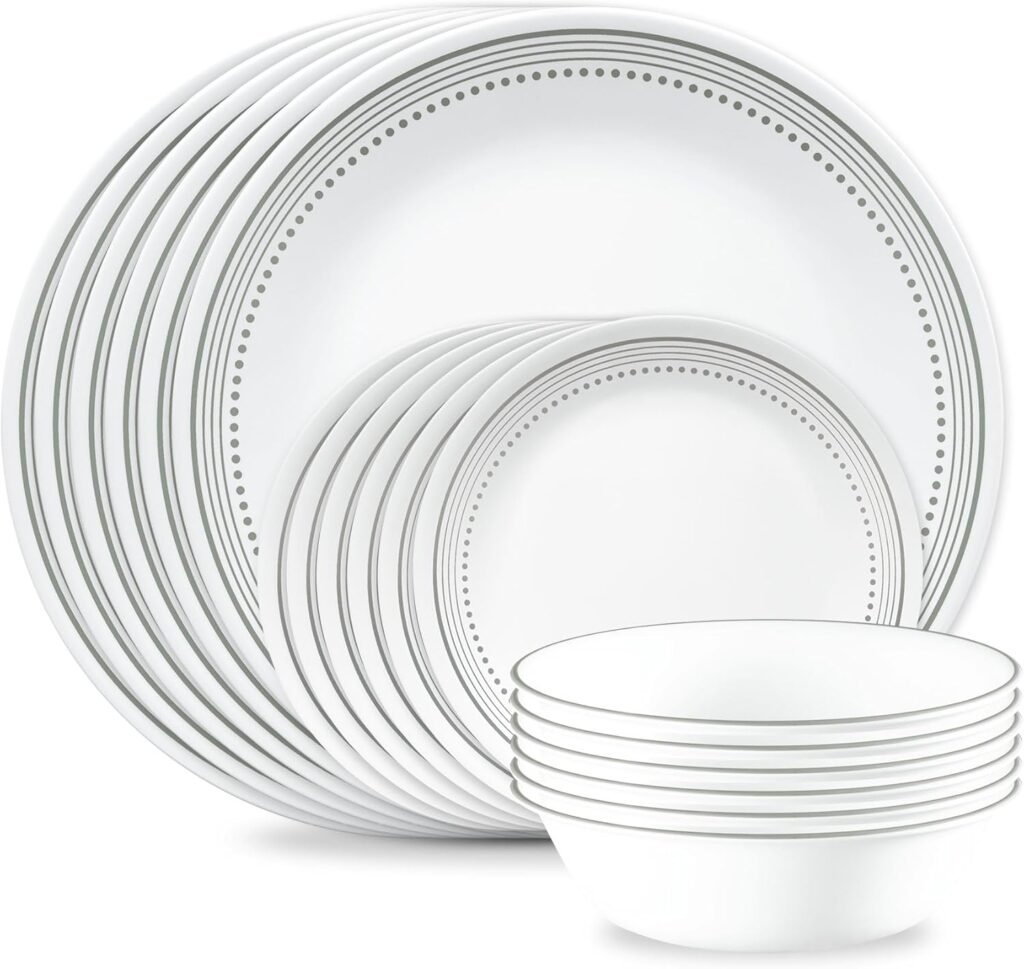
Corelle dishes are made from Vitrelle glass — a triple-layer tempered glass technology that makes each piece surprisingly thin yet strong. Unlike porcelain or ceramic, the surface is non-porous, which means it resists stains, blocks bacteria, and stays cleaner with less effort.
Corelle’s Lightweight Design
Corelle’s thin-profile construction makes each plate noticeably lighter than most dinnerware options on the market. The pieces also stack compactly, which means more dishes fit into less cabinet space, a practical advantage most people don’t notice until they switch.
Corelle’s Reputation for Everyday Use
Corelle has earned its spot as the go-to everyday dinnerware brand for families. It’s affordable, practical, and built for daily use. To explore specific options worth considering, the Corelle dinner plates comprehensive guide is a solid starting point.
Overview of Mikasa Dinnerware
What Mikasa Dinnerware Is Made Of
Mikasa produces dinnerware across porcelain, bone china, and stoneware collections. Bone china brings delicate translucency and lightness, porcelain offers refined durability, and stoneware adds a denser, rustic feel.
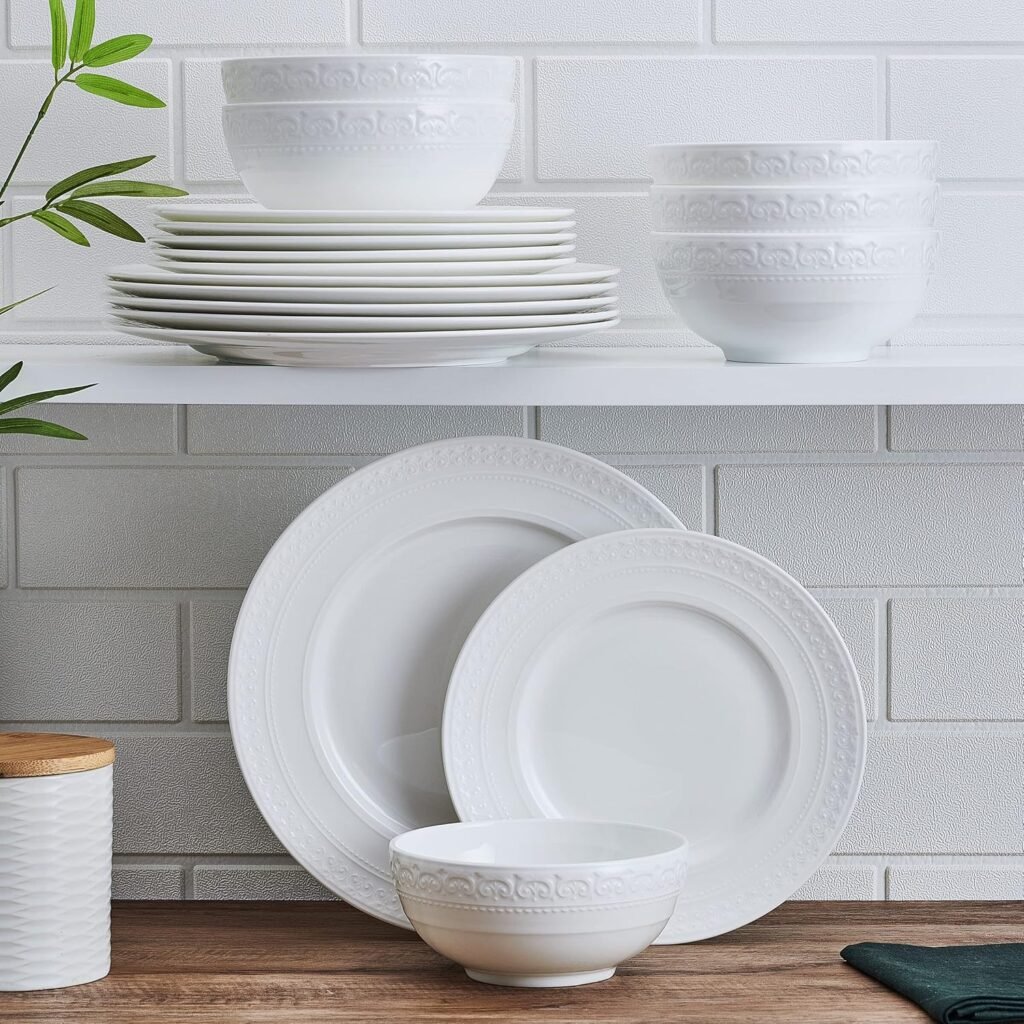
The material choice usually reflects the dining style for which the collection is designed.
Mikasa’s Decorative Dining Appeal
Mikasa enhances table settings in ways Corelle doesn’t aim to. You’ll find floral patterns, gold trim, embossed designs, and gloss finishes that turn a regular meal into something more intentional. The brand is unapologetically decorative, and that’s the point.
Mikasa’s Position in Formal Dining
Mikasa regularly appears on wedding registries, and for good reason — it elevates dining presentation in a way that feels polished and deliberate. For entertaining guests or setting a formal table, Mikasa brings the kind of aesthetic that makes a real impression.
Corelle versus Mikasa Dinnerware Material Comparison
Tempered Glass vs Porcelain and Bone China
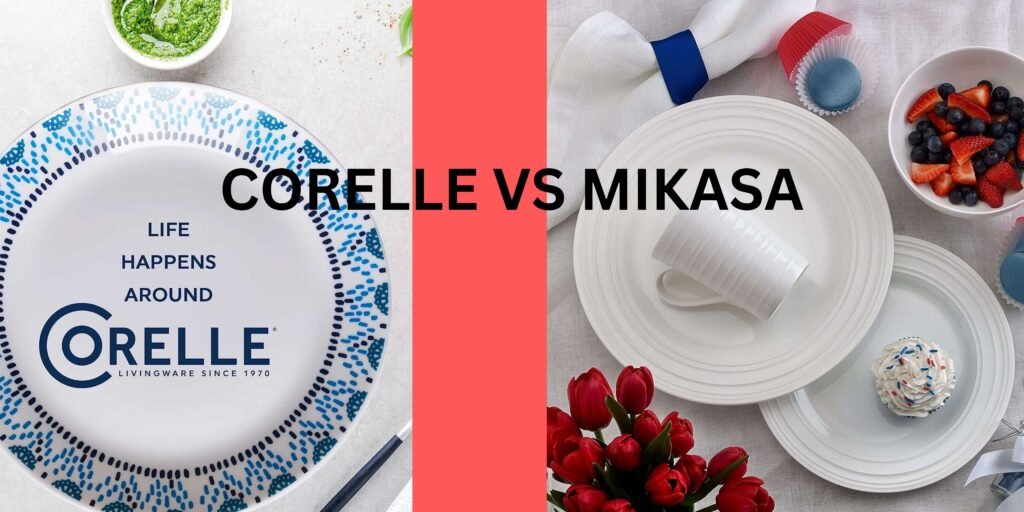
Corelle’s Vitrelle glass is engineered for chip resistance and impact performance. Mikasa’s porcelain and bone china prioritize refinement and elegance. They’re different by design, one is a performance material, the other a luxury one, and neither tries to be the other.
Thickness and Density Differences
Corelle feels thin and light. Mikasa stoneware and porcelain have a heavier, more substantial density that many associate with quality tableware. Which feel you prefer usually comes down to whether you’re eating a casual weeknight meal or hosting something more formal.
Heat Resistance and Durability
Corelle handles sudden temperature changes well thanks to tempered glass construction. Mikasa’s ceramic dinnerware retains heat longer, which is quite an advantage at the dinner table when food needs to stay warm for guests.
Durability Comparison
Chip Resistance
Corelle’s Vitrelle glass resists chipping well under normal conditions. Every day knocks, drops into the sink, and rough handling that would chip a ceramic edge tend to bounce off Corelle. That chip resistance is one of the biggest practical reasons families choose it.
Fragility of Fine Dinnerware Materials
Mikasa’s fine dinnerware, especially thinner bone china collections, requires more careful handling. That doesn’t mean it’s fragile under light use, but dropping a piece on tile is a real risk. The trade-off for elegance is a slightly higher care requirement.
Long-Term Wear and Surface Scratches
Over time, Corelle can develop light scratches from repeated metal utensil contact. Mikasa’s ceramic glaze may also fade with heavy dishwasher use on decorative pieces. Neither is dramatic, but realistic surface wear is something both brands experience with regular use.
Weight and Handling Comparison
Lightweight Convenience of Corelle
Corelle reduces handling effort in a way that adds up over time. Carrying multiple dinner plates from the kitchen to the table is noticeably easier when each one weighs almost nothing. It’s a small advantage that becomes a daily convenience.
Heavier Feel of Mikasa Collections
Mikasa’s heavier dinnerware feels premium in hand — there’s a solidity to it that signals quality to most people at the table. For formal settings, that weight actually enhances the dining experience by giving the meal a more substantial, considered feel.
Best for Elderly Users or Families
For elderly users or households with young children, Corelle is the more manageable choice. Lightweight dinnerware is easier on joints, easier to carry in multiples, and far less tiring to manage through multiple meals a day.
Design and Style Comparison
Corelle’s Minimalist and Functional Aesthetic
Corelle leans toward clean, understated designs, solid whites, simple patterns, and modern prints that work in almost any kitchen without demanding attention. It’s a minimalist design approach that suits contemporary dining spaces without adding visual noise.
Mikasa’s Elegant and Decorative Designs
Mikasa’s collections embrace decorative appeal. Intricate patterns, nature-inspired motifs, and rich color coordination make their pieces feel like table decor as much as functional dinnerware. For those who enjoy styling a table, Mikasa gives you real material to work with.
Modern vs Traditional Dining Styles
Corelle suits modern, casual dining environments. Mikasa fits traditional or formal aesthetics where the table setting reflects a broader design philosophy. Neither is objectively better; they reflect different ideas about what a meal should feel like.
Everyday Use Comparison
Best for Daily Family Meals
For high-frequency, everyday dining, Corelle is the practical winner. It handles the microwave, the dishwasher, and the occasional rough handling of daily family meals without adding stress. It’s reliable in a way that makes it easy to stop thinking about your dishes.
Best for Entertaining Guests
When you’re hosting, Mikasa changes the atmosphere. The formal dinnerware presentation signals care and effort to guests, making the meal feel more special. If entertaining guests matters to you, Mikasa delivers an upgrade that’s immediately noticeable.
Best for Small Apartments
Corelle’s compact stackability is a genuine space-saving advantage. A full set for four takes up the cabinet space most brands need for two. In apartment living, where every inch counts, efficiency matters more than most buyers expect.
Storage and Space Efficiency
Corelle’s Compact Stackability
Corelle’s thin-profile design stacks tightly, saving significant cabinet space compared to most dinnerware brands.
Multiple plates take up minimal vertical height, which frees up room for other kitchen essentials, a practical benefit that’s easy to underestimate until you experience it.
Mikasa’s Larger Storage Footprint
Mikasa’s thicker construction means each piece occupies more space when stacked. In a smaller kitchen, a full Mikasa set can take up a surprising amount of cabinet real estate. It’s worth measuring your storage space before committing to a full collection.
Best Option for Limited Cabinet Space
If kitchen cabinet storage is limited, Corelle is the decisive winner. Its space-saving design makes it the smarter fit for small apartments or compact kitchens. Mikasa works best in homes with generous shelving and room to store larger, thicker pieces.
Microwave and Dishwasher Safety
Microwave Compatibility
Corelle is microwave safe across the board. Most Mikasa porcelain and stoneware collections are also microwave compatible, but pieces with gold trim or metallic accents may not always check the specific collection’s appliance compatibility before heating.
Dishwasher Maintenance
Corelle tolerates repeated dishwasher cycles without significant wear. Some Mikasa collections with decorative finishes can show glaze fading over time with heavy dishwasher use, so hand-washing delicate or heavily patterned pieces is sometimes the better long-term approach.
Resistance to Staining and Odors
Corelle’s non-porous Vitrelle glass surface resists staining and prevents odors from absorbing into the material, a meaningful hygiene advantage for daily use.
Mikasa’s glazed ceramic surfaces also perform well, though porosity can vary slightly by collection.
Safety and Food Contact Considerations
Non-Porous Surface Benefits
Corelle’s non-porous glass surface blocks bacteria from settling in, making it one of the more hygienic everyday dinnerware options available. That’s a practical benefit for families where the same dishes are used and washed multiple times daily.
Decorative Glaze and Finish Considerations
Older Mikasa collections occasionally raised questions about decorative glaze durability over extended use. Modern Mikasa manufacturing has addressed most of these concerns. Checking product specifications on newer collections still makes sense for peace of mind.
Modern Manufacturing Standards
Both Corelle and Mikasa meet current food-safe material requirements. Modern collections from both brands are BPA-free, lead-free, and cadmium-free — consistent with FDA consumer safety standards for food contact dinnerware.
Cost and Value Comparison
Price Range Differences
Corelle sits comfortably in the budget dinnerware category — a full set is accessible without putting pressure on a household budget.
Mikasa’s premium dinnerware collections, particularly bone china and fine porcelain, come at a noticeably higher price point.
Long-Term Replacement Costs
Because Corelle is durable and affordable, replacing a broken piece doesn’t cause much pain. Mikasa’s higher price means individual breakage costs more to absorb.
That said, well-maintained Mikasa sets can last a long time, which softens the long-term cost picture.
Value for Different Households
Corelle offers strong value for everyday dinnerware needs. Mikasa justifies its price for households where formal dining and aesthetics are genuine priorities. Buying the wrong one for your lifestyle is where most buyers lose value, not in the price tag itself.
Best Choice Based on Lifestyle
Best for Busy Families
Busy families will find Corelle the more practical fit. It’s lightweight, chip-resistant, dishwasher safe, and handles the daily chaos of family meals without complaint. Lower price points also mean less stress when a plate inevitably gets dropped.
Best for Formal Dining Enthusiasts
For those who enjoy hosting or prefer a more elevated dining experience, Mikasa delivers. The elegant patterns and formal dinnerware presentation transform a regular dinner into something guests actually notice and remember.
Best for Minimalist Kitchens
Corelle’s clean designs and compact stackability make it a natural fit for minimalist kitchens. It takes up less visual space, stores efficiently, and complements modern interiors without adding clutter — both physical and aesthetic.
Best for Decorative Dining Spaces
Mikasa suits dining rooms and kitchen spaces where the table setting is part of the overall decor. The luxury dinnerware aesthetic adds a layer of design intentionality that makes the table feel curated, not just functional.
Common Complaints About Each Brand
Corelle Breakage Characteristics
The main Corelle complaint centers on how it breaks rather than how often. Tempered glass shatters into smaller pieces on a hard drop — sometimes dramatically. It’s not a frequent occurrence, but when it happens, the cleanup is more involved than a clean ceramic break.
Mikasa Chipping Concerns
Some Mikasa collections, particularly thinner bone china pieces, are susceptible to edge chipping. Careless stacking or rough handling accelerates this.
Users who treat the dishes without care tend to notice chipping sooner than those who handle them thoughtfully.
Surface Wear Over Time
Both brands show surface wear with enough use. Corelle develops light scratches from metal utensil contact, and Mikasa’s ceramic glaze can show color fading after extended dishwasher cycles.
It’s normal aging, but worth knowing before you set long-term expectations.
Common Buying Mistakes to Avoid
Choosing Based Only on Appearance
Don’t let looks alone drive the decision. Every day functionality matters just as much as how a dish looks on the shelf. A beautiful Mikasa collection isn’t the right match for a household that needs practical, high-frequency everyday dinnerware.
Ignoring Weight and Storage Needs
Weight and kitchen cabinet storage capacity affect day-to-day satisfaction more than most buyers realize. If your cabinets are small or you find heavy dishes tiring to manage, factor that in before you fall for a set that won’t work in your actual kitchen.
Buying Without Considering Lifestyle
Ask yourself how you actually live. Do you entertain often or eat casually at home every day? Buying a premium Mikasa collection for a household that eats cereal for dinner most nights usually leads to buyer’s regret. Match the brand to the lifestyle, not the aspiration.
Which Dinnerware Brand Is Better?
When Corelle Is the Better Choice
Corelle is the better choice when everyday use is the priority. Lightweight durability, compact stackability, chip resistance, and an accessible price point make it the obvious fit for busy households that need reliable dinnerware day in and day out.
When Mikasa Is the Better Choice
Mikasa wins when presentation matters. If you host dinner parties, care about how your table looks, or want formal dinnerware that enhances the dining experience, Mikasa delivers a level of elegance and decorative appeal that Corelle doesn’t attempt.
Choosing Based on Personal Preference
Neither brand is universally better. The right choice depends on how you live, how often you entertain, and what you value in a dining experience. Both Corelle and Mikasa deliver on their promises just in completely different directions.
Conclusion
Corelle and Mikasa genuinely cater to different dining lifestyles, and that’s the whole point. Corelle excels where practicality matters most — lightweight construction, chip resistance, compact storage, and everyday durability built to last.
Mikasa stands out for its premium aesthetics and elegant dining presentation that elevates the table experience. Neither is the wrong choice; they just serve different needs.
If daily convenience is your priority, Corelle is your answer. If formal presentation and decorative appeal matter more, Mikasa is worth the investment.
Choose based on your daily use habits, your storage space, your dining style, and what makes your table feel like home.
About the Author & Reviewer
Sarah Emirone, Author
Sarah researches and writes SafeKitchn’s dinnerware and kitchenware guides, with a focus on material safety, lead content, and manufacturer specifications. She cross-references product data sheets, safety certifications, and regulatory filings (including FDA and Prop 65 records) before publishing, and updates articles when new information becomes available.
James Daniels, Reviewer
James reviews SafeKitchn’s material safety content for scientific accuracy. He holds a B.Sc in inorganic chemistry and works as a materials researcher, with particular focus on the composition and safety behavior of glass, ceramic, and metal used in kitchenware.